
Flowers
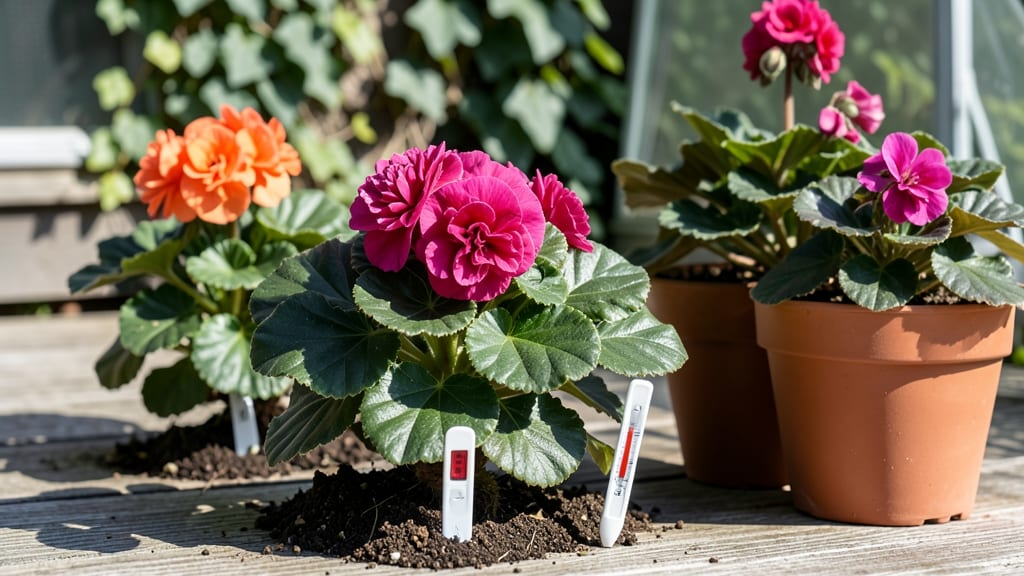
Wax begonias are grown as annuals in most climates because they can't survive frost, though they're technically tender perennials thriving in warm USDA zones 10-12. Cold regions kill them back each winter, but you can overwinter them indoors or regrow from cuttings.
Wax begonias act like annuals in cooler areas because their tropical roots can't handle freezing temperatures. 🌱 The key to keeping them alive through winter is understanding their dormancy cycle—when nights dip below 50°F, their leaves turn brown and drop, but the roots stay alive underground.
This is why gardeners in cold zones treat them as perennials through propagation rather than letting them die completely each year.
In warmer climates, these plants naturally return each spring with vibrant new growth, but they need consistent moisture and protection from sudden temperature drops. The secret to overwintering success lies in mimicking their native tropical environment—bright, indirect light and humidity levels above 40% prevent stress.
Many gardeners swear by using grow lights and humidity trays to keep their wax begonias thriving through the cold months.
💡 In This Article
- Wax Begonia Plant Lifecycle: Why It’s Classified as a Tender Perennial
- How to Overwinter Wax Begonias in Cold Climates: Step-by-Step Survival Guide
Wax Begonia plant lifecycle: why it’s classified as a tender perennial
Wax begonias are classified as tender perennials because they naturally live for multiple years in their ideal conditions, but their delicate nature makes them behave like annuals in colder climates.
Their tropical origins mean they evolved in environments where temperatures rarely drop below 50°F, and their thin, waxy leaves and shallow root systems can't handle frost. 🌿 Unlike hardy perennials like hostas or daylilies, wax begonias lack the protective mechanisms to survive freezing temperatures, which is why they die back completely in most U.S. zones outside USDA 10-12.
Their lifecycle begins with spring growth, where they produce lush foliage and vibrant flowers, but when nighttime temperatures consistently fall below 55°F, the plant enters a natural dormancy. This isn't true hibernation like bulbs—wax begonias don't store energy underground.
Instead, their above-ground parts wither, while the roots remain alive just beneath the soil surface, waiting for warmer conditions. This root system stays viable for months, which is why gardeners can often revive them with proper overwintering care.
What makes wax begonias unique is their ephemeral growth habit. In warm climates, they'll regrow from the same root system year after year, but each cycle produces slightly different foliage patterns and flower colors.
This genetic variability is why some gardeners treat them as perennials in ideal conditions, while others in colder zones prefer to propagate new plants annually for consistency. The key difference between annual and perennial growth here comes down to climate control—whether you can maintain their tropical requirements year-round.
Botanically, their classification as tender perennials stems from their ability to regenerate from stem cuttings, even after frost damage. This propagation technique allows gardeners in cold zones to effectively "reset" the plant each season, maintaining the same variety while avoiding the risks of overwintering.
The plant's shallow root system (typically only 6-12 inches deep) means it's highly sensitive to temperature fluctuations, which is why even a light frost can be fatal to the above-ground portions.
Consider this comparison: A hardy perennial like peonies can survive -20°F winters because their roots store nutrients deep underground. Wax begonias, however, have roots that are both shallow and non-woody, making them incapable of storing enough energy to survive freezing.
Their waxy leaf coating helps conserve moisture in dry conditions but offers no protection against cold. This biological limitation is why they're often treated as annuals in temperate climates despite their perennial classification.
The science behind their dormancy involves hormonal changes triggered by shorter daylight hours and cooler temperatures. As days grow shorter in autumn, the plant's growth hormones shift from promoting leaf and flower production to focusing on root maintenance.
This physiological response explains why you'll often see wax begonias producing new leaves in late summer—it's their last attempt to store energy before winter sets in. 🌱 Understanding this natural cycle is crucial for successful overwintering, as forcing them to grow during cold months can exhaust their limited energy reserves.