
Flowers
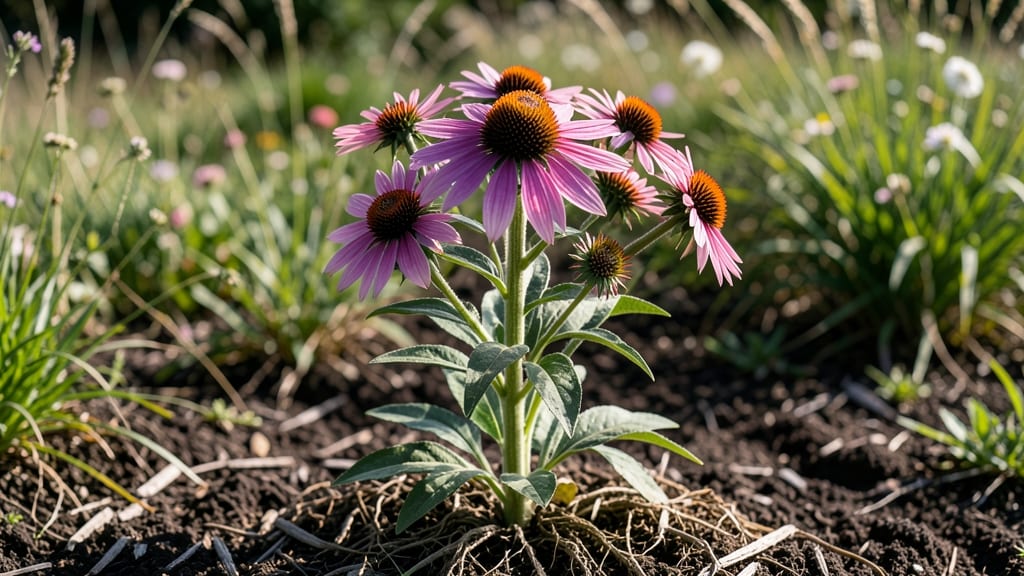
Post perennial meaning refers to species that start growing like annuals or biennials but develop woody stems over time, allowing them to survive for multiple years in favorable conditions—unlike true perennials that maintain persistent growth from the start.
The post perennial meaning comes down to their lifecycle quirks. These plants begin their lives as annuals or biennials, meaning they complete their growth cycle in one or two years, respectively.
However, once they develop woody stems—often triggered by environmental factors like temperature or moisture—they can persist for years, mimicking perennials. 🌱 This shift happens because their root systems strengthen, allowing them to store nutrients and withstand seasonal changes.
Think of it like a plant that starts as a short-term tenant but eventually becomes a long-term resident!
For gardeners, this means you might initially treat them like annuals, but with proper care, they can reward you with years of blooms or harvests.
For example, some varieties of roses or lavender may behave like biennials in their first year but develop woody bases in subsequent years, making them perennial in practice. The key is providing consistent moisture and protection during their early stages to encourage this transition.
💡 In This Article
- How Post Perennial Plants Differ Biologically From Annuals and Biennials
- Best Post Perennial Plants for Gardens and Their Care Requirements
How post perennial plants differ biologically from annuals and biennials
At the core, post perennial plants start their lifecycle like annuals or biennials but undergo a critical biological transformation: woody stem development.
While annuals complete their entire growth cycle in one season and biennials take two years (producing leaves first year, flowers second), post perennials begin similarly but develop lignified (woody) stems after 1-2 years.
This woody tissue provides structural support and nutrient storage, allowing the plant to survive harsh conditions like winter freezes or droughts—something neither annuals nor biennials can do. 🌿
The transition hinges on environmental triggers, primarily temperature fluctuations and moisture availability. For example, roses often start as herbaceous plants in their first year but develop woody canes in their second year when exposed to consistent seasonal changes.
Similarly, lavender may appear as a short-lived biennial but forms woody bases in subsequent years when given proper drainage and sunlight. This woody development strengthens the root system, enabling nutrient storage in the cambium layer (a growth layer between bark and wood), which true annuals lack entirely.
Root systems play a pivotal role too. Post perennials develop deeper, more extensive root networks compared to annuals, which typically have shallow, fibrous roots. These deeper roots access water and nutrients from lower soil layers, giving the plant resilience during dry spells.
In contrast, biennials like carrots or beets have intermediate root structures that don’t support long-term survival. The combination of woody stems and robust roots creates a survival advantage that turns these plants into de facto perennials over time. 🌱
Another key difference lies in their reproductive strategy. Annuals and biennials focus all energy on seed production before dying, while post perennials allocate resources to both reproduction and stem/root maintenance. This dual strategy is why you might see a first-year rose producing minimal blooms—it’s prioritizing woody growth for future years.
The trade-off is slower initial growth but greater longevity, making post perennials ideal for gardeners seeking low-maintenance, long-term plants.
Climate also influences this lifecycle shift. In colder regions, post perennials may take 2-3 years to develop woody stems due to slower growth rates, while warmer climates accelerate the process.
For instance, artichokes behave as biennials in cool climates but can become post perennials in Mediterranean regions, where mild winters and long growing seasons encourage woody development. Understanding these biological quirks helps gardeners create optimal conditions for the transition.
What sets post perennials apart from true perennials is their initial growth pattern. True perennials like hostas or peonies have persistent woody stems or rhizomes from the start, while post perennials "earn" their perennial status through environmental adaptation.
This makes them fascinating hybrids—biologically flexible yet structurally resilient once matured. 🌟