
Planting
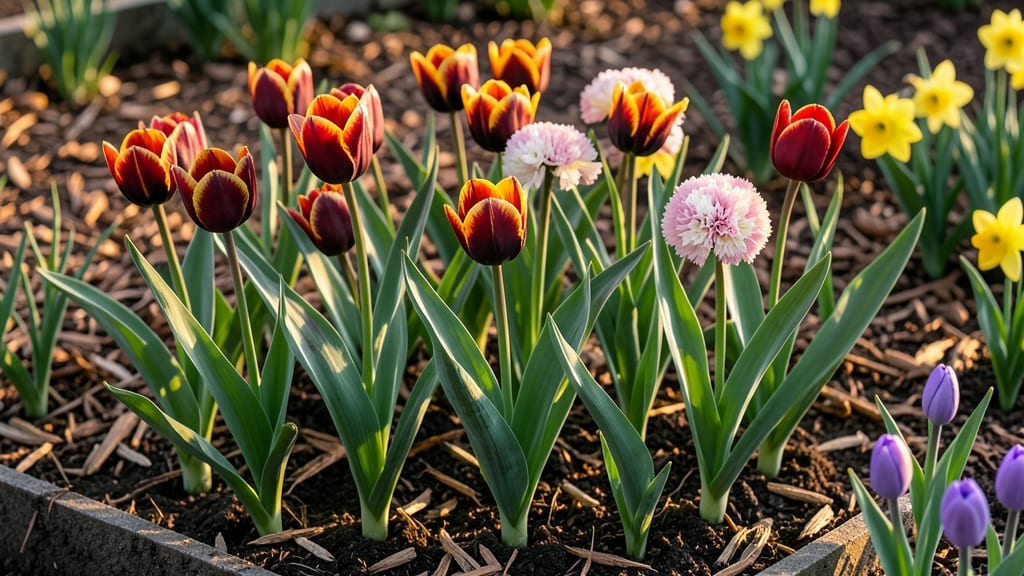
Perennial tulips can thrive in Zone 7 with the right conditions, including well-draining soil, full sunlight exposure, and proper fall planting techniques. Cold-hardy varieties like Tulipa tarda or Tulipa turkestanica reliably return each year with minimal winter protection, though some may need annual replanting for consistent blooms.
Zone 7's mild winters make it ideal for perennial tulips, but success hinges on choosing the right varieties and planting methods. 🌱 Unlike annual tulips that die back after flowering, perennial types like Tulipa tarda develop deeper root systems that survive winter dormancy.
The key is timing—plant bulbs in fall (October-November) when soil temperatures drop below 60°F, allowing roots to establish before freezing. Mulching with 3-4 inches of straw after planting adds extra insulation for tender varieties.
What sets Zone 7 apart is the balance between cold hardiness and summer heat tolerance. While most perennial tulips handle winter temperatures down to -20°F, they struggle with humid summers that promote fungal diseases.
Elevating soil with compost improves drainage, and spacing bulbs 6-8 inches apart prevents overcrowding. I've found that late-season bloomers like Tulipa turkestanica often perform better because they finish flowering before summer heat peaks.
💡 In This Article
- Best Perennial Tulip Varieties for Zone 7 Climates
- Zone 7 Tulip Planting and Mulching Guide
Best perennial tulip varieties for Zone 7 climates
The secret to perennial tulips thriving in Zone 7 lies in their natural cold tolerance and drought resistance. Varieties like Tulipa tarda (also called "Tardy Tulip") evolved in Central Asia's harsh climates, where winter temperatures drop below -20°F.
Their bulbs develop a tough outer coating that prevents moisture loss during dormancy, while their deep root systems (reaching 12-18 inches) anchor them securely through freeze-thaw cycles. 🌟 This species blooms early—often in late April to May—which means they finish flowering before Zone 7's summer humidity peaks, avoiding fungal rot that plagues tender varieties.
Another standout is Tulipa turkestanica, which thrives in Zone 7 because its bulbs contain natural antifreeze proteins similar to those in winter wheat. These proteins lower the freezing point of cellular fluids by 2-5°F, protecting tissues during winter.
Unlike hybrid tulips that often decline after 3-4 years, turkestanica bulbs multiply annually, producing clusters of 3-5 flowers per stem with minimal care. The trade-off? Their blooms appear slightly later (May to early June) and have a more delicate, cup-shaped form compared to showy parrot tulips.
What most gardeners overlook is how bloom timing affects perennial success. Early bloomers like Tulipa clusiana (the "Lady Tulip") emerge when soil temperatures hover around 45-50°F, signaling their bulbs to initiate flowering before summer stress sets in.
Their smaller size (6-12 inches tall) makes them ideal for rock gardens, where they benefit from natural air circulation that reduces disease. For containers, Tulipa greigii excels—its fuzzy-coated bulbs resist moisture loss, and the 10-12 inch height fits perfectly in window boxes.
Soil moisture plays a critical role in winter survival. Perennial tulips in Zone 7 need well-draining soil to prevent rot during winter thaws. The Tulipa fosteriana group, for example, develops thick, papery bulb wrappings that act like insulation, but they require sandy loam to avoid soggy conditions.
A simple soil test can reveal if your garden holds too much clay—amending with 20% perlite or coarse sand improves drainage without altering the soil's nutrient profile.
Consider these key factors when selecting varieties:
- Cold hardiness: Tulipa tarda and turkestanica tolerate -20°F with no protection
- Bloom timing: Early bloomers finish before summer humidity arrives
- Bulb size: Larger bulbs (> 2 inches) store more energy for perennial growth
- Disease resistance: Look for fuzzy or papery bulb coatings that repel fungi
The best perennial tulips for Zone 7 share one common trait: they prioritize root development over immediate flower production. This means you might see fewer blooms the first year, but subsequent years yield 2-3 times more flowers as bulbs establish.
For example, a 1-inch Tulipa tarda bulb planted in fall may produce 1-2 flowers the next spring, but by year three, it can multiply into 5-7 stems—a reward for patience that annual tulips can't match. 🌱