
Flowers
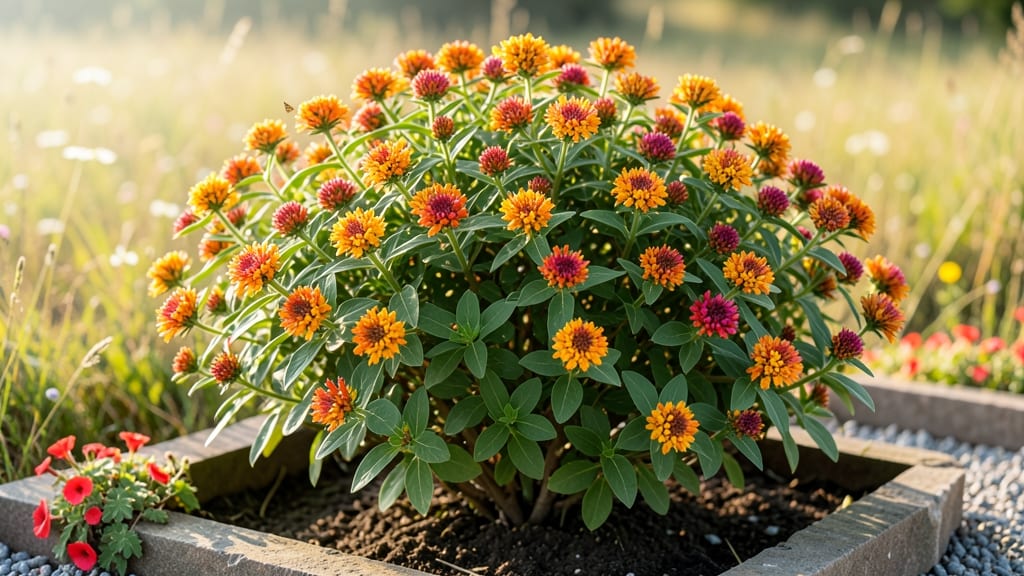
Deciding whether Lantana Camara is a perennial or annual depends on your climate: it thrives as a hardy perennial in USDA Zones 8-11 but dies back to the ground in colder regions, often regrowing from roots if winter temps stay above 20°F. In frost-prone areas, it’s best treated as an annual unless you take protective measures or grow it in containers.
Lantana Camara's survival strategy relies on its deep root system, which can withstand brief cold snaps down to 20°F—though prolonged freezing will kill the plant back to the ground. 🌱 In USDA Zones 8-11, the plant naturally enters dormancy during cooler months, only to burst back with vibrant blooms when temperatures rise.
For gardeners in colder zones, overwintering in containers or using protective mulch can transform this "annual" into a repeat performer year after year.
What sets Lantana apart is its resilience—even if the tops freeze, the roots often survive to regrow in spring. This makes it a low-maintenance choice for warm climates, while frost-prone gardeners need to get creative with microclimates or seasonal adjustments.
The key is understanding your local frost patterns and acting before temperatures drop below 20°F.
💡 In This Article
- How Lantana Camara Survives Winter in Warm Climates
- Protecting Lantana Camara in Cold Zones: Practical Overwintering Methods
How Lantana Camara survives winter in warm climates
Lantana Camara's ability to thrive as a perennial in USDA Zones 8-11 comes down to its deep, fibrous root system that can extend 3-5 feet below the surface. These roots store carbohydrates during the growing season, fueling regrowth when temperatures rise above 50°F in spring.
The plant's natural dormancy cycle is triggered by shorter daylight hours and cooler temperatures, not just frost—this allows it to conserve energy while avoiding unnecessary stress from mild winter conditions.
What's fascinating is how Lantana handles cold snaps: its aboveground growth dies back when temperatures drop below 20°F, but the roots often survive even brief exposures to -5°F if the ground remains unfrozen. 🌱 In marginal zones like Zone 7b, where winters occasionally dip below 20°F, you'll frequently see Lantana regrow from roots in spring, demonstrating its remarkable resilience.
The regrowth timing depends on soil temperature—roots typically activate when soil reaches 55-60°F, which usually occurs 4-6 weeks before last frost dates in warm climates.
This survival mechanism explains why Lantana often outperforms other tropical plants in warm climates. Unlike many perennials that require consistent moisture year-round, Lantana can tolerate drought conditions once established, making it ideal for low-maintenance gardens.
The plant's ability to photosynthesize even during mild winters (when not completely dormant) gives it an energy advantage over species that must wait for spring to regrow.
For gardeners in Zone 8-11, the key to maximizing Lantana's perennial potential lies in understanding these temperature thresholds. A hard frost (28°F) will kill the tops but rarely the roots, while prolonged freezing (15°F for multiple nights) increases mortality risk.
This explains why some gardeners in Zone 8 report annual behavior—it's not the plant's nature but rather their specific microclimate exceeding these thresholds.
What most people don't realize is how Lantana's flowering cycle ties to its winter survival strategy. The plant stores energy in its roots specifically to support rapid spring blooming, which often begins within 3-4 weeks of regrowth.
This aggressive flowering is nature's way of compensating for the brief growing season in marginal zones, ensuring the plant maximizes reproduction before summer heat arrives.
Consider this comparison: In Zone 10, where winters rarely drop below 30°F, Lantana maintains foliage year-round with minimal dieback. But in Zone 8, where winter lows might reach 15°F for short periods, the plant enters deeper dormancy—similar to how roses behave in colder climates.
This adaptability is what makes Lantana such a versatile landscape plant across warm regions.