
Flowers
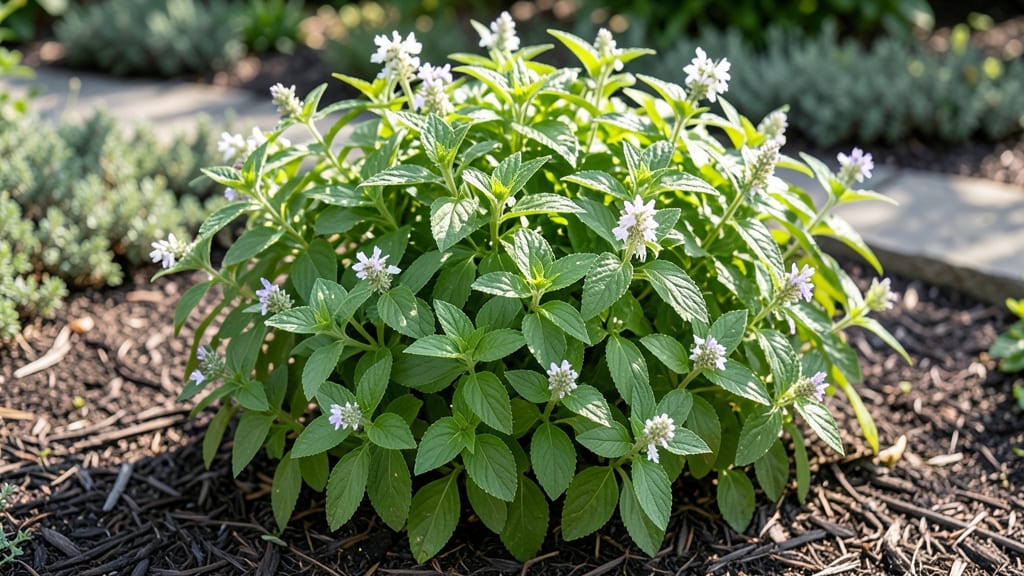
Determining whether lemon verbena grows as an annual or perennial depends on your climate: it's a hardy perennial in warm USDA zones 8-11 but typically treated as an annual in colder zones (3-7) due to frost sensitivity. Its woody base allows regrowth in mild winters, while freezing temperatures kill back foliage each year.
Lemon verbena's growth habit shifts dramatically with temperature changes.
In frost-free zones, it develops a woody stem base that survives winter, allowing it to return each spring with minimal care. 🌱 However, when nighttime temperatures drop below 20°F, even the hardiest varieties succumb to frost damage, forcing gardeners in colder regions to replant annually.
The key difference lies in its root system—while the tops die back in cold climates, the roots often remain viable, which is why many gardeners attempt overwintering techniques like container protection or indoor storage.
What's interesting is how this affects harvesting: in perennial zones, you can enjoy fresh leaves for 3-5 years with proper pruning, while annual plants typically peak in their first growing season.
The citrusy aroma compounds actually intensify as the plant matures, making older specimens more valuable for culinary and medicinal uses.
💡 In This Article
- Lemon Verbena’s Perennial Survival in Cold Climates
- How to Overwinter Lemon Verbena in Cold Regions
Lemon verbena’s perennial survival in cold climates
The key to understanding lemon verbena's growth habit lies in its botanical structure.
In warm climates (USDA zones 8-11), this plant develops a semi-woody base at its stem junction with the soil—this woody tissue acts like a protective shield, allowing the plant to survive winter dormancy. 🌿 The roots remain active year-round in frost-free conditions, creating a continuous growth cycle that makes it a true perennial.
This woody base can persist for 5-7 years with proper care, producing new shoots each spring from the same root system.
When temperatures drop below 28°F, however, the foliage becomes extremely vulnerable. Lemon verbena's leaves contain high concentrations of volatile oils (like citral and limonene) that actually make them more susceptible to frost damage than many other herbs.
These oils can crystallize in cold conditions, rupturing cell walls and causing the leaves to turn black within hours. The plant's natural response is to shed all above-ground growth, but the roots often remain viable if protected from prolonged freezing.
What makes this particularly interesting is how the plant adapts its growth strategy. In perennial zones, lemon verbena grows as a multi-stemmed shrub reaching 3-5 feet tall, while in colder regions it typically stays under 2 feet due to annual die-back.
The plant's ability to regenerate from the base explains why many gardeners in marginal zones (7-8) can sometimes get 2-3 years of growth before needing to replant—it's not truly perennial, but it's certainly more persistent than most annual herbs.
Another fascinating aspect is the plant's dormancy patterns. Unlike true perennials that go completely dormant, lemon verbena maintains some root activity even in winter if temperatures stay above 20°F.
This partial dormancy means it can recover surprisingly quickly in spring, often sprouting new growth within 2-3 weeks after frost danger passes. The trade-off is that this partial activity makes it more vulnerable to late spring frosts than fully dormant plants.
For gardeners, this botanical behavior translates to different care requirements. In perennial zones, you can simply prune back in late winter to encourage new growth, while in annual zones you'll need to start fresh each spring.
The aromatic compounds that make lemon verbena so valuable actually increase in concentration as the plant matures, which is why older specimens (3+ years in perennial zones) often have the most intense citrus flavor.
Consider these key differences when planning your garden:
- Root system: Perennial varieties develop extensive root networks that can spread 2-3 feet wide, while annuals stay more compact
- Regrowth speed: Perennial plants sprout 30-50% faster in spring than annuals from seed
- Frost tolerance: The woody base can survive 20-25°F brief exposures, but foliage dies at 28°F and below
The science behind this lies in the plant's evolutionary adaptation to Mediterranean climates where it naturally experiences mild winters. When transplanted to colder regions, it essentially reverts to a more primitive survival strategy—prioritizing root preservation over foliage growth when temperatures drop. 💫