
Flowers
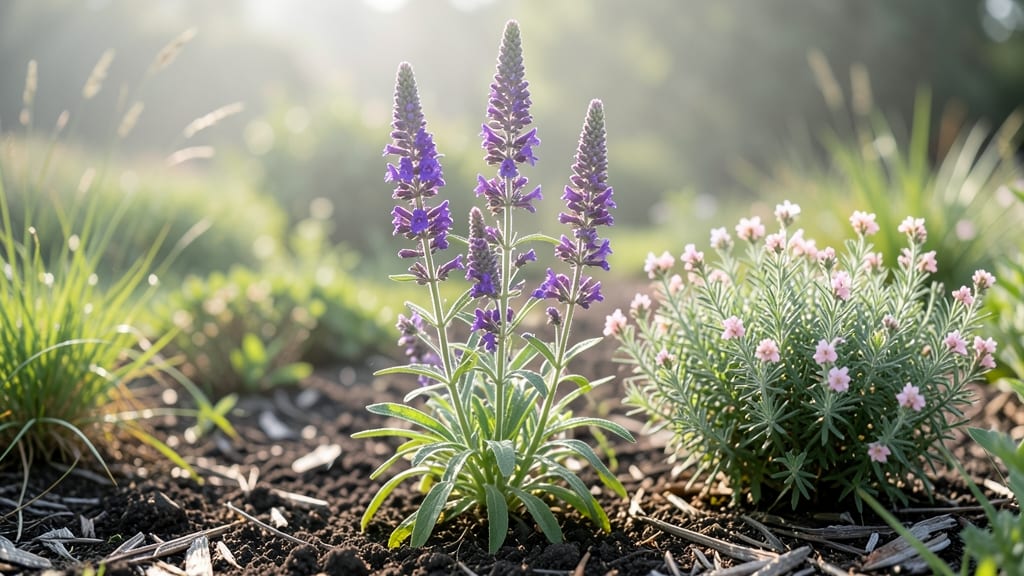
Whether verbena is an annual or perennial depends on your climate—it thrives as a tender perennial only in frost-free zones (USDA 10-11), but acts as an annual in cooler areas where it often self-seeds prolifically for multi-year blooms.
This distinction comes down to verbena's sensitivity to frost, which kills its tender stems and leaves. 🌱 In warmer climates, the roots survive winter, allowing regrowth each spring, but in colder zones, gardeners typically replant annually.
The good news is that verbena's prolific self-seeding means even in cooler areas, you'll often see volunteer plants popping up year after year without extra effort.
For gardeners in USDA zones 8-9, you can extend verbena's lifespan by providing winter protection like mulch or moving potted plants indoors. This creates a middle-ground scenario where it behaves more like a short-lived perennial rather than a true annual.
💡 In This Article
- Climate and Hardiness Factors Affecting Verbena’s Lifespan
- Prolonging Verbena Blooms: Annual vs. Perennial Gardening Hacks
Climate and hardiness factors affecting verbena’s lifespan
Verbena's classification as annual or perennial hinges on its frost sensitivity. The plant's tender stems and leaves cannot tolerate temperatures below 28°F, which is why it dies back completely in most U.S. regions during winter.
In frost-free zones (USDA 10-11), however, the roots survive winter dormancy and regrow each spring, making it behave as a tender perennial. This is similar to how geraniums or bougainvillea operate in warm climates.
The key difference lies in the plant's root system. Verbena develops fibrous roots that can reach depths of 12-18 inches in optimal conditions. In warmer zones, these roots store enough energy to sprout new growth when temperatures rise above 55°F in spring.
In colder zones, even if roots survive, the lack of consistent warmth prevents regrowth until new plants are established from seed.
Another critical factor is vernalization—the plant's need for cold treatment to trigger flowering. While verbena doesn't require prolonged cold like some perennials, it does benefit from 6-8 weeks of consistent temperatures below 60°F to set buds properly.
This explains why gardeners in USDA zones 8-9 often get 2-3 years of growth with proper winter care, while zones 4-7 typically see only annual performance.
What most gardeners don't realize is how light intensity affects verbena's hardiness. In full sun (6+ hours daily), the plant develops stronger stems and deeper roots, which improves its ability to withstand marginal cold snaps.
This is why verbena thrives in southern California or Florida landscapes but struggles in northern climates where winter light is limited. The plant's natural habitat in South America's temperate regions explains this sun requirement.
For visual comparison, consider how verbena's growth habit differs from true perennials like lavender. While lavender's woody stems survive -10°F winters, verbena's herbaceous stems are more like those of coleus or impatiens, which die back completely in frost.
The difference is purely structural—verbena lacks the protective bark or thick stems of hardy perennials.
This frost sensitivity creates an interesting paradox: while verbena acts as an annual in most gardens, its self-seeding habit often makes it behave like a volunteer perennial. Many gardeners find verbena popping up year after year from dropped seeds, even in zones where the parent plant wouldn't survive winter.
This natural propagation is what makes verbena so popular despite its technical classification.