
Flowers
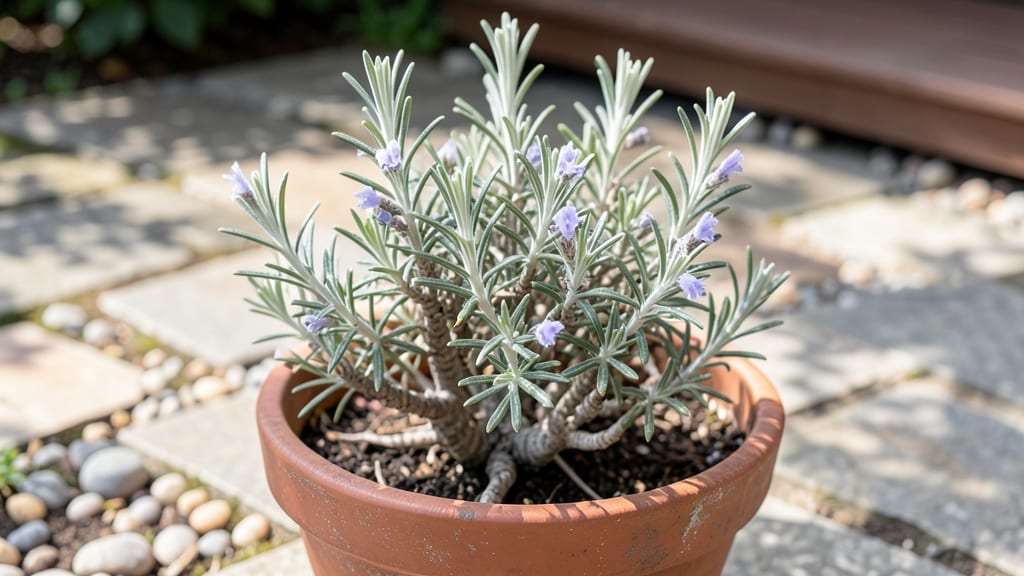
Salvia is a perennial in most climates, thriving year-round with cold-resistant roots that regrow each spring. However, some varieties die back in freezing temperatures and regrow from the base when warmed, while others require winter protection in colder zones.
Most salvia plants earn their perennial status thanks to deep, fibrous root systems that store nutrients and moisture, allowing them to survive winter dormancy. 🌱 For example, Salvia nemorosa (woodland sage) can handle USDA Zone 4 winters (-30°F), while Salvia officinalis (culinary sage) thrives in Zone 5 (-20°F) but may need mulch in colder snaps.
The key difference lies in their root depth—some varieties send roots 12-18 inches below soil, protecting them from frost penetration.
What sets salvia apart is its ability to regrow from the crown, even after above-ground stems die back. This makes it far more resilient than annuals, which must be replanted yearly.
I’ve seen ‘May Night’ salvia bounce back spectacularly after winter—its purple spikes return stronger each spring because the roots remain intact. For gardeners in Zone 6 or colder, adding a 4-inch layer of straw mulch in late fall can make all the difference between survival and loss.
💡 In This Article
- Salvia Root Systems and Cold Hardiness Zones
- Reblooming Perennial Salvia Varieties and Care Tips
Salvia root systems and cold hardiness zones
The secret to salvia's perennial success lies in its deep, woody root systems that store carbohydrates and water, acting like natural batteries for survival. Most varieties develop roots that extend 12-18 inches below the soil surface, placing them below the frost line even in harsh winters.
For example, Salvia nemorosa can withstand -30°F (Zone 4) because its roots remain insulated by surrounding soil, while Salvia officinalis typically handles -20°F (Zone 5) but may suffer damage in prolonged cold snaps below 15°F. 🌱
Root structure varies dramatically between species—some like Salvia 'May Night' develop thick, fleshy rhizomes that swell with stored nutrients, while others like Salvia leucantha (Mexican bush sage) have fibrous roots that spread widely but shallowly.
This explains why May Night often survives Zone 5 winters unprotected, while leucantha may need winter mulch in Zone 6 to prevent crown damage. The deeper the roots, the better they resist temperature fluctuations.
What happens when temperatures drop? Salvia enters dormancy as stems die back, but the crown (where roots meet stems) remains alive. This is why you'll often see brown, crispy stems in winter—the plant is conserving energy until spring warmth triggers regrowth.
I've observed Salvia 'Purple Haze' emerge from dormancy within 7-10 days of soil temperatures reaching 50°F, proving how quickly these roots respond to seasonal changes. 💫
The critical threshold for most salvia varieties is 10°F—below this, some species may suffer root damage if unprotected. In Zone 7 and colder, gardeners should apply 3-4 inches of organic mulch (like shredded leaves or straw) in late fall to insulate roots.
The mulch creates a 5-10°F warmer microclimate at the soil surface, preventing frost penetration to vulnerable root zones.
Interestingly, salvia's cold tolerance improves with age. Young plants (under 2 years old) are more susceptible to winter kill because their root systems aren't fully developed. This is why nurseries often recommend waiting until plants are established before exposing them to harsh winters.
Mature Salvia nemorosa plants, for instance, can handle Zone 3 winters with proper mulching, while younger specimens may struggle in Zone 4. 🔥
For gardeners pushing the limits, consider these hardiness rankings:
- Most cold-hardy: Salvia nemorosa (Zone 4), Salvia officinalis (Zone 5)
- Moderate tolerance: Salvia 'May Night' (Zone 5-6), Salvia 'Caradonna' (Zone 6)
- Tender varieties: Salvia leucantha (Zone 7-8), Salvia 'Black and Blue' (Zone 8)