
Flowers
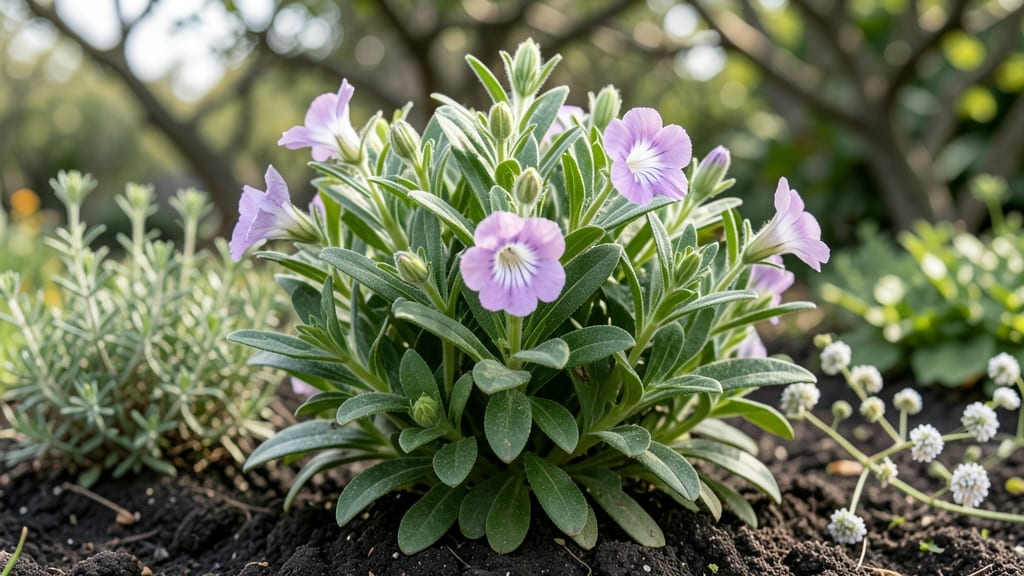
Nemesia is not a true perennial in most climates, as it typically thrives as an annual or short-lived tender perennial, dying back in frost or cooler zones unless grown in protected microclimates or USDA zones 10-11.
Nemesia's behavior depends heavily on where you live. 🌱 Originating from South Africa, this plant prefers warm temperatures and simply won't survive frost—its leaves turn mushy and black when exposed to even light freezes.
In zones 10-11, you might coax it to return for a second year with careful protection, but in colder regions, it's best treated as a seasonal showstopper that needs replanting annually.
The key difference from true perennials is its tropical nature: while plants like lavender regrow from woody stems after winter, nemesia lacks this hardiness and relies on warm seasons to thrive.
This tropical tendency explains why gardeners in cooler areas often grow nemesia as a half-hardy annual—it gives you vibrant blooms all season but won't make it through winter. The good news?
With some planning, you can stretch its lifespan beyond one season by bringing potted plants indoors before the first frost or using row covers in marginal zones. Varieties like 'Blue Bird' or 'Sensation' tend to be slightly more resilient, but don't expect them to behave like your established daylilies.
💡 In This Article
- Why Nemesia Dies Back in Cold Climates
- How to Extend Nemesia’s Lifespan in Different Zones
Why nemesia dies back in cold climates
Nemesia's tropical heritage explains its inability to survive winter freezes. Native to South Africa's warm, temperate regions, this plant evolved in climates where temperatures rarely drop below 40°F.
When exposed to frost (32°F or lower), its delicate cells—particularly in leaves and stems—begin to rupture due to ice crystal formation within the plant tissue. This cellular damage is irreversible, causing the foliage to turn black and mushy within 24-48 hours of freezing conditions. 🌡️
The key difference from true perennials lies in their survival strategies. Hardy plants like lavender or coneflowers store nutrients in woody stems or underground rhizomes, allowing them to regrow when conditions improve. Nemesia, however, lacks these protective structures—its growth is entirely above-ground and herbaceous, making it vulnerable to cold snaps.
Even a light frost can trigger dieback, while true perennials might only experience dormancy. This tropical sensitivity explains why nemesia thrives as an annual in most gardens outside its native range.
Temperature thresholds matter significantly: nemesia can tolerate brief exposures to 35°F if dry, but prolonged periods below 40°F will kill it. The plant's optimal growing range is 60-75°F, where it produces its characteristic trumpet-shaped flowers in vibrant hues of pink, purple, and blue.
When nighttime temperatures drop toward 50°F for extended periods, growth slows dramatically, signaling the beginning of its natural decline cycle. This physiological response differs sharply from cold-hardy perennials that enter dormancy rather than die back completely.
Another critical factor is nemesia's shallow root system. While this allows for rapid growth during warm seasons, it also means the plant has limited energy reserves to withstand stress. True perennials develop deeper root systems that store carbohydrates and water for winter survival.
Nemesia's roots remain relatively shallow (6-12 inches deep), providing minimal protection against cold soil temperatures. This structural limitation explains why even well-established nemesia plants will succumb to frost without protective measures. 🌱
What makes this particularly challenging for gardeners is the plant's growth cycle timing. Nemesia typically blooms from early spring through fall, but its rapid growth means it hasn't had time to develop cold-resistant structures before winter arrives.
In contrast, biennials like foxglove or perennials like black-eyed Susan allocate resources toward building winter-hardy structures during their first growing season. Nemesia's entire energy focus remains on flowering and vegetative growth during its active season, leaving nothing in reserve for cold protection.
The botanical term for nemesia's behavior is "tender perennial," meaning it can technically live for multiple years in ideal conditions but lacks the hardiness to survive winter outdoors in most climates.
This distinction is crucial for gardeners planning long-term plantings—while nemesia might return for a second year in zone 10 with perfect conditions, it's more realistic to treat it as an annual in cooler regions.
The plant's inability to regenerate from dormant structures explains why professional growers often treat nemesia as a seasonal crop rather than a perennial bedding plant.