
Flowers
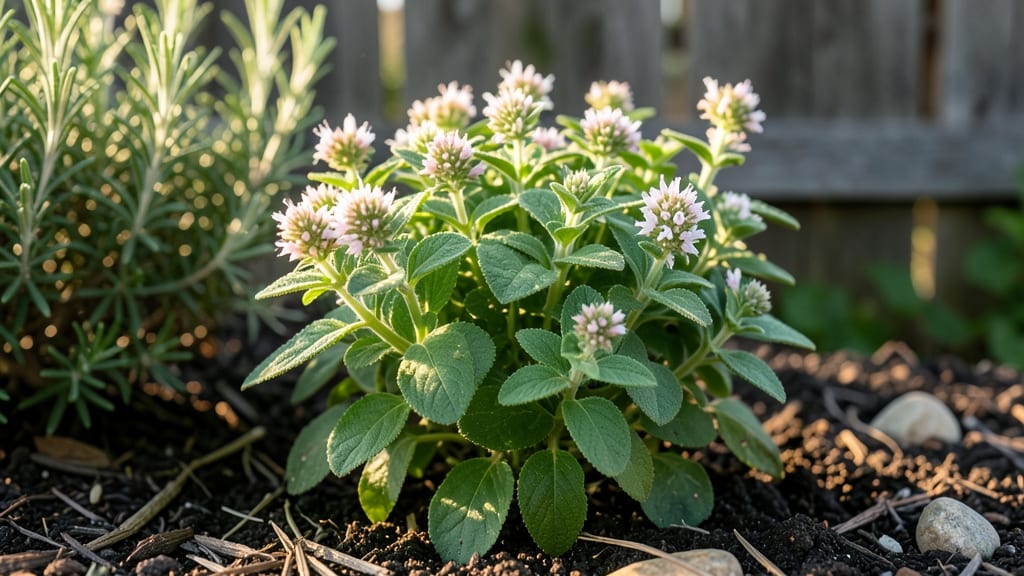
Marjoram isn't a true perennial in most regions, since its delicate root system dies when temperatures drop below 20°F, though it reliably self-seeds each spring. Only in warmer climates (USDA zones 8+) does it behave like a short-lived perennial, lasting 2-3 years before needing renewal.
Marjoram's survival hinges on its shallow root system, which lacks the deep taproots of true perennials like lavender. 🌱 When frost hits, these roots simply can't withstand the cold, forcing the plant to regrow from seeds dropped the previous year.
In milder zones, you'll find it thrives for longer because the soil rarely freezes deeply enough to kill the roots completely.
The key difference between annual and perennial behavior comes down to temperature exposure—just a few nights below 20°F can turn your marjoram into an annual plant, even if it looks like it might persist.
For gardeners in cooler climates, the solution is simple: embrace marjoram's self-seeding nature. Plant it in full sun with well-draining soil, and you'll get fresh growth every spring without replanting.
In colder regions, adding a thick layer of mulch before winter can extend the life of existing plants, though they'll still need to be replaced every few years.
The real secret to continuous harvests is timing—sow new seeds in early spring or late summer to bridge the gap between dying plants and new growth.
💡 In This Article
- Marjoram’s Root System and Cold Hardiness Limits
- How to Grow Marjoram as a Long-Lasting Annual
Marjoram’s root system and cold hardiness limits
Marjoram develops a shallow, fibrous root system rather than the deep taproot of true perennials like rosemary or thyme. These roots spread horizontally just 6-12 inches deep, making them highly vulnerable to frost penetration.
When temperatures drop below 20°F, the cellular membranes in these roots rupture due to ice crystal formation—a process called freeze-thaw damage. This is why marjoram behaves as an annual in USDA zones 7 and colder, where winter soil temperatures frequently dip below this threshold. 🌡️
The key difference lies in marjoram's dormancy threshold: while some herbs like oregano can survive -10°F with proper mulching, marjoram's roots begin dying at 25°F.
In warmer zones (USDA 8+), where winter lows rarely drop below 20°F, the plants may persist for 2-3 years because the roots experience only superficial frost damage. This explains why marjoram often looks "perennial" in mild climates—it's not true perennialism, but rather extended annual behavior.
Botanically, marjoram belongs to the Lamiaceae family, which includes many tender herbs that prioritize rapid growth and seed production over cold resistance. This survival strategy makes sense when you consider its Mediterranean origins, where summers are hot and dry but winters are rarely severe.
The trade-off? Marjoram puts all its energy into producing 10,000+ seeds per plant rather than developing cold-hardy structures. These seeds lie dormant through winter, germinating as soon as soil temperatures reach 55°F in spring.
What most gardeners miss is how soil moisture affects cold hardiness. Wet soil conducts heat away from roots 25% faster than dry soil, accelerating freeze damage.
This is why marjoram thrives in well-draining soil—it prevents the moisture buildup that would otherwise turn a 25°F night into a death sentence for the roots.
In contrast, true perennials like lavender have root systems that can tolerate 30% soil moisture saturation without damage, giving them a major survival advantage in colder climates. 🌱
Here's the science behind the seed survival advantage: marjoram seeds contain abscisic acid, a natural chemical that prevents germination until conditions are ideal. This dormancy mechanism ensures the plant doesn't waste energy growing in unfavorable conditions.
When you see marjoram popping up year after year without replanting, you're witnessing this built-in survival strategy in action—a trait shared with other self-seeding herbs like dill and cilantro.
The USDA zone distinction becomes critical when planning marjoram cultivation. In zone 7, where winter lows hit 0°F, marjoram will always behave as an annual. But in zone 10, where winters rarely drop below 30°F, you might get 3-4 years of growth before the roots finally succumb.
This explains why some gardeners in mild climates swear by marjoram's "perennial" nature—it's not the plant's biology, but rather the climate's leniency that creates the illusion. 🌿
For those in transitional zones (7b-8a), the key is monitoring minimum winter temperatures. If your area experiences 3-5 nights below 20°F per winter, expect annual behavior. But with just 1-2 cold snaps, you might get 2 years of growth before replanting becomes necessary.
This variability is why marjoram's classification as "short-lived perennial" in warmer zones is technically accurate—it's not a true perennial, but it does persist longer than a single season. ❄️