
Lawn
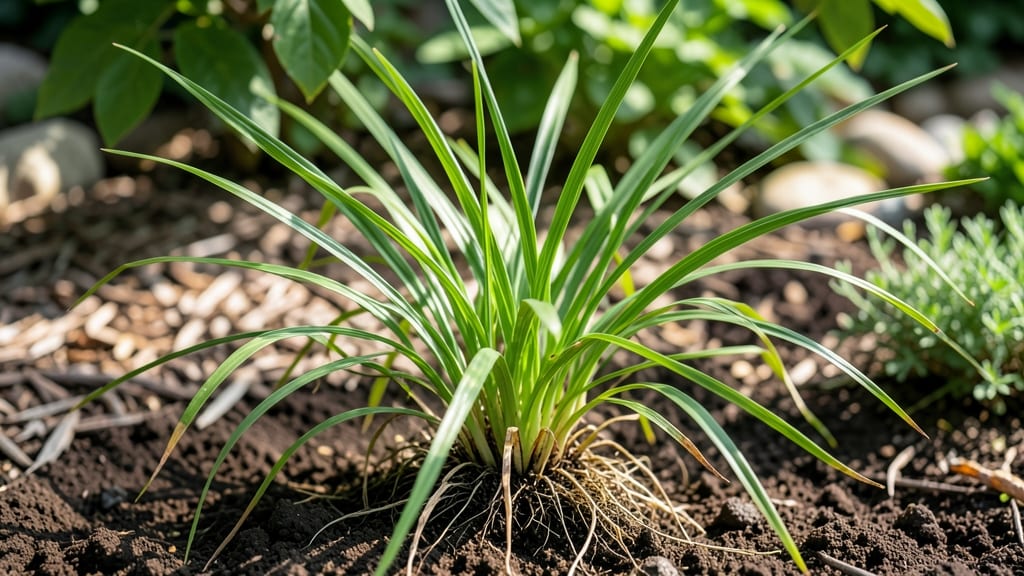
Lemon grass is a perennial in warm climates where winter temperatures stay above 40°F, thriving year-round in USDA Zones 9-11. Outside these zones, it dies back annually but can regrow from its underground rhizomes when replanted or protected each spring.
Lemon grass behaves like a hardy perennial only when winter conditions are mild enough—think Florida, Southern California, or Hawaii. 🌿 In colder regions, it acts more like an annual, but its rhizomes (thick underground stems) store energy for regrowth when temperatures warm up.
This makes it surprisingly adaptable if you're willing to move it indoors during winter or use protective measures like heavy mulch.
What sets lemon grass apart is its rhizome system, which allows it to bounce back even after frost damage. Unlike true annuals that must be replanted from seed, lemon grass can regenerate from just a small piece of rhizome.
This trait makes it a favorite among gardeners who want flavorful herbs but live in marginal climates.
💡 In This Article
- Lemon Grass Cold Hardiness Zones Explained
- How to Overwinter Lemon Grass in Cold Climates
Lemon grass cold hardiness Zones explained
Lemon grass thrives outdoors year-round only in USDA Zones 9-11, where winter temperatures rarely drop below 40°F. These zones represent tropical and subtropical climates where the plant's delicate stems can survive continuous warmth.
In Zone 9, the average minimum winter temperature is 20-30°F, while Zones 10-11 stay above 30°F year-round. The plant's native habitat in Southeast Asia and India provides the perfect climate—warm days and mild nights without frost.
The real magic happens in its rhizome system, which stores carbohydrates and moisture underground. When temperatures drop below 40°F for extended periods, the above-ground foliage turns brown and dies back, but the rhizomes remain dormant until spring.
This system allows lemon grass to regenerate even after frost damage, unlike true annuals that must be replanted from seed. The rhizomes can survive light freezes (25°F for short durations) but typically die back completely when exposed to prolonged sub-freezing temperatures.
For gardeners in Zones 8 and below, understanding this mechanism is key. The plant behaves like a perennial only when protected from frost—either by moving it indoors or using protective measures. Without intervention, the rhizomes will eventually succumb to cold soil temperatures, typically below 28°F.
This is why lemon grass often gets classified as a "tender perennial"—it can regrow if the root system survives.
Here's how the zones break down practically:
- Zones 9-11: Can grow outdoors year-round with minimal care
- Zones 8: May survive mild winters but needs protection
- Zones 7 and below: Requires indoor overwintering or replanting each spring
What makes lemon grass unique is how its growth pattern differs from true perennials like mint or oregano. While those plants develop woody stems that survive winter, lemon grass relies entirely on its rhizomes.
This makes it more vulnerable to cold but also more adaptable when you understand how to protect those underground stems. The plant's ability to regenerate from just a small rhizome piece (about 3 inches long) gives gardeners multiple chances to revive it each spring.
In colder climates, the key takeaway is that lemon grass isn't a true perennial—it's a seasonal perennial that needs human intervention to survive. This explains why you'll often see it grown as an annual in northern gardens, despite its perennial classification in warmer regions.
The rhizome system gives it that perennial-like resilience, but only when protected from frost.