
Planting
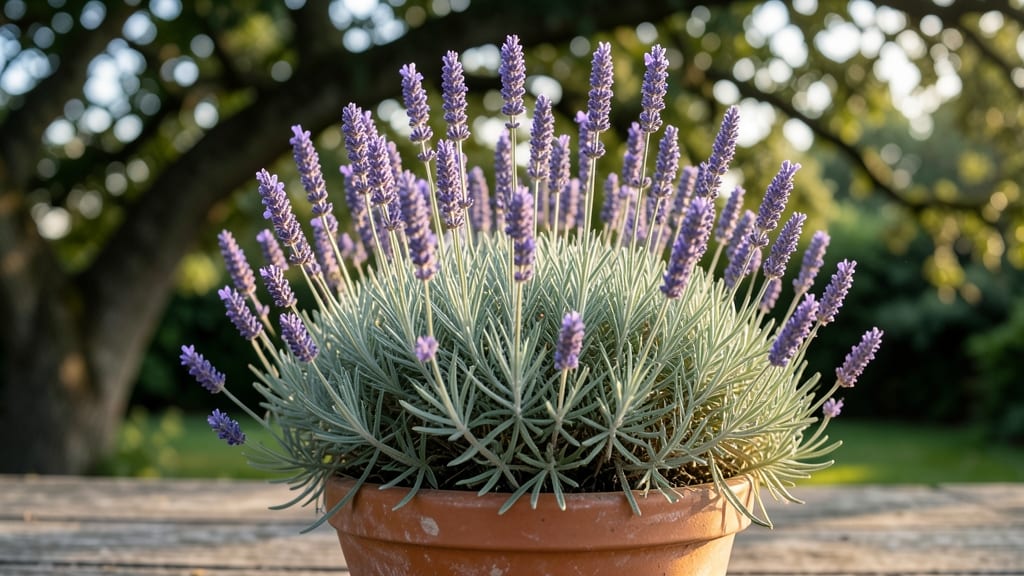
Yes, lavender is a perennial plant in most climates, thriving for multiple years when planted in USDA hardiness zones 5-9, though some varieties may die back in extreme cold or frost.
Lavender earns its place as a perennial because it regrows from its root system each spring after winter dormancy. 🌱 This means once established, it can live for years—some varieties even thrive for a decade or more—if given the right conditions.
The key factor is temperature: while most lavender handles cold snaps down to 10°F, prolonged freezes or deep frost can damage or kill tender varieties. I’ve seen English lavender bounce back beautifully in zone 5 gardens, while Spanish lavender often needs winter protection in colder areas.
What’s fascinating is how lavender adapts: its woody stems and silvery foliage help insulate the plant during cold months. Still, mulching with straw or pine needles in late fall gives it an extra survival boost.
For gardeners in marginal zones (like 4 or 10), choosing cold-hardy cultivars like 'Munstead' or 'Hidcote' makes all the difference.
💡 In This Article
- Lavender’s Lifespan and Cold Hardiness Explained
- Best Lavender Varieties for Cold and Warm Climates
Lavender’s lifespan and cold hardiness explained
Lavender's perennial status comes from its deep root system and ability to regenerate annually from the same base. Unlike annuals that complete their life cycle in one season, lavender stores energy underground during winter, then bursts back to life with warmer temperatures.
This process relies on the plant's woody stems and silvery leaves, which act as natural insulation against cold snaps down to 10°F (-12°C). The science behind this is fascinating: lavender's cells produce antifreeze proteins during winter dormancy, similar to how some trees survive freezing temperatures.
What makes lavender particularly resilient is its natural growth habit. Most varieties grow as semi-woody shrubs, with stems that become increasingly rigid over time. This woody structure helps protect the plant's core from freezing damage.
However, the plant's top growth dies back completely in winter, only to regenerate from the base each spring. This cycle is why lavender can thrive for 5-10 years or more with proper care, though some varieties may gradually decline after a decade.
The plant's cold hardiness varies significantly between species. English lavender (Lavandula angustifolia) is the most cold-tolerant, surviving winters in USDA zones 5-9 with minimal protection. Munstead lavender, a popular English cultivar, can even handle brief periods below 0°F (-18°C).
In contrast, Spanish lavender (Lavandula stoechas) struggles in temperatures below 20°F (-7°C), making it better suited for zones 8-10. The difference comes down to their native climates: English lavender evolved in Mediterranean mountains with cooler nights, while Spanish lavender adapted to warmer coastal regions.
Frost damage occurs when ice crystals form in the plant's cells, rupturing them. Lavender's survival strategy involves dormancy mechanisms that slow metabolic processes and reduce water content in cells, preventing ice formation. However, prolonged exposure to temperatures below -5°F (-21°C) can kill even hardy varieties.
This is why gardeners in colder zones often use mulch blankets or cloche protection during winter. The mulch creates an insulating layer that maintains soil temperatures above freezing, protecting the roots.
What most gardeners don't realize is that lavender's cold tolerance improves with age. Younger plants (1-2 years old) are more vulnerable to winter damage because their root systems aren't fully developed.
Mature plants with established roots can survive colder temperatures because their extensive root networks store more energy reserves. This is why it's crucial to give lavender plants at least two growing seasons before expecting them to withstand harsh winters.
Consider these key factors when assessing lavender's hardiness in your climate:
- Microclimate matters: Lavender planted in sheltered spots (near walls or fences) often survives 5°F colder than exposed areas
- Soil drainage is critical: Wet, cold soil accelerates root damage - ensure well-draining soil with 50-70% sand content
- Winter preparation: Cut back foliage in late fall to 4-6 inches above ground, then mulch heavily
The most cold-hardy lavender varieties consistently outperform others in marginal zones. For example, 'Grosso' English lavender has survived -15°F (-26°C) in test gardens, while 'Provence' lavender often dies back completely in zone 6 winters.
Understanding these differences helps gardeners make informed choices about which varieties will thrive in their specific climate conditions. 💫