
Flowers
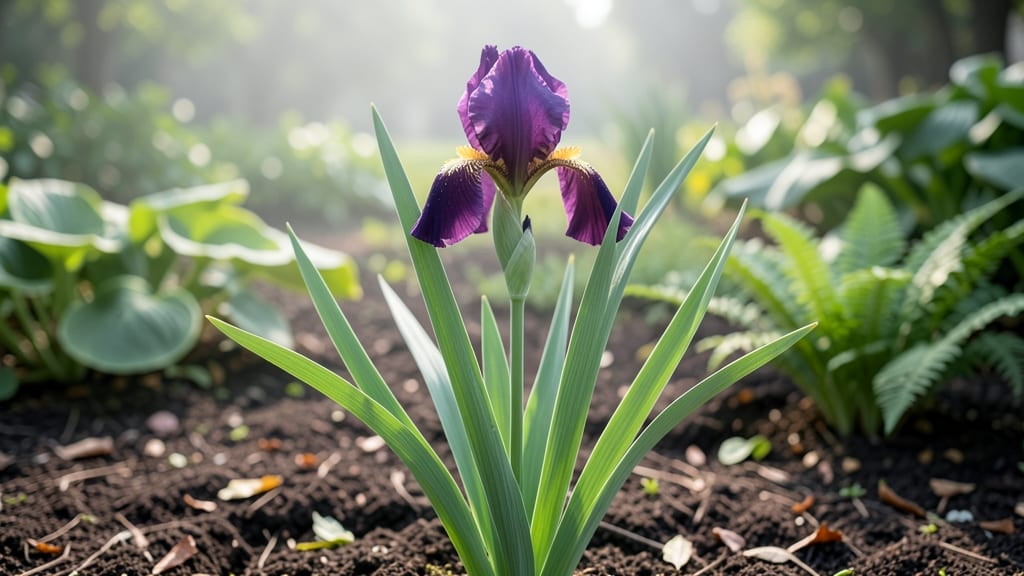
Yes, iris is a perennial flower that returns every year thanks to its sturdy root systems—whether rhizomes or bulbs—which store nutrients to fuel regrowth after seasonal dormancy.
This hardy nature makes iris one of the most reliable garden plants, as it can survive in the same spot for decades with minimal effort. 🌱 The key lies in their root systems: rhizomes (horizontal, fleshy stems) spread underground to create new shoots, while bulbous varieties store energy in thickened bases.
Unlike annuals, irises don't need replanting—they simply wake up each spring, ready to bloom again.
What sets them apart is their ability to handle dormancy—a natural resting period during winter or dry seasons—without losing vigor. This built-in resilience means they're perfect for busy gardeners who want low-maintenance color year after year.
The trade-off? They do need well-draining soil and occasional division to prevent overcrowding, but even that's a simple task compared to replanting annuals.
💡 In This Article
- How Iris Rhizomes and Bulbs Sustain Perennial Growth
- Year-Round Iris Care for Long-Term Blooming Success
How iris rhizomes and bulbs sustain perennial growth
Iris plants rely on two primary root systems—rhizomes or bulbs—to achieve their perennial status. Rhizomes are thick, horizontal stems that grow just below the soil surface, storing carbohydrates and nutrients like starches and sugars.
These underground stems can reach lengths of 6-12 inches and produce new shoots each spring, essentially creating a network of self-sustaining growth points. 🌿 The energy stored in rhizomes fuels regrowth after winter dormancy, allowing the plant to rebound quickly once temperatures rise above 50°F.
Bulbous iris varieties, like the Dutch iris, store nutrients in thickened leaf bases that resemble small bulbs. These structures contain concentrated energy reserves that help the plant survive harsh conditions.
Unlike true bulbs (like tulips), iris bulbs don't have multiple layers but instead rely on a single, fleshy base that swells during the growing season. This adaptation lets them thrive in regions with hot, dry summers or cold winters, as the stored nutrients provide a survival buffer during dormancy.
The real magic happens during dormancy. When temperatures drop, rhizomes and bulbs enter a state of reduced metabolic activity, conserving energy while remaining alive. This isn't true death—just a strategic pause.
For example, bearded iris rhizomes can survive three months of freezing temperatures if protected by a 2-inch mulch layer. The stored nutrients prevent the roots from starving, ensuring they'll push new shoots upward once conditions improve. 💫
What most gardeners don't realize is how rhizomes spread naturally. Each year, they grow outward 3-6 inches, creating new growth points along their length. This horizontal expansion is why iris clumps can double in size every 3-5 years without any intervention.
The plant essentially "replants" itself by generating new shoots from these expanding rhizomes, eliminating the need for manual propagation.
For bulbous irises, the process differs slightly. Their energy storage is more centralized, meaning they rely on a single point of regrowth each season. This makes them slightly more vulnerable to rot if water pools around the bulb base, which is why well-draining soil is critical.
The trade-off? Bulbous varieties often produce taller, more dramatic blooms than rhizomatous types, making them popular for cut flower gardens.
Here's what happens when you combine these root systems with proper care: The rhizomes or bulbs act like a biological battery, storing sunlight-converted energy throughout the growing season. When dormancy ends, this stored energy powers the emergence of new foliage and flower stalks.
It's a self-sustaining cycle that explains why iris can thrive for decades in the same location—as long as you provide the right growing conditions. 🌸