
Aphids
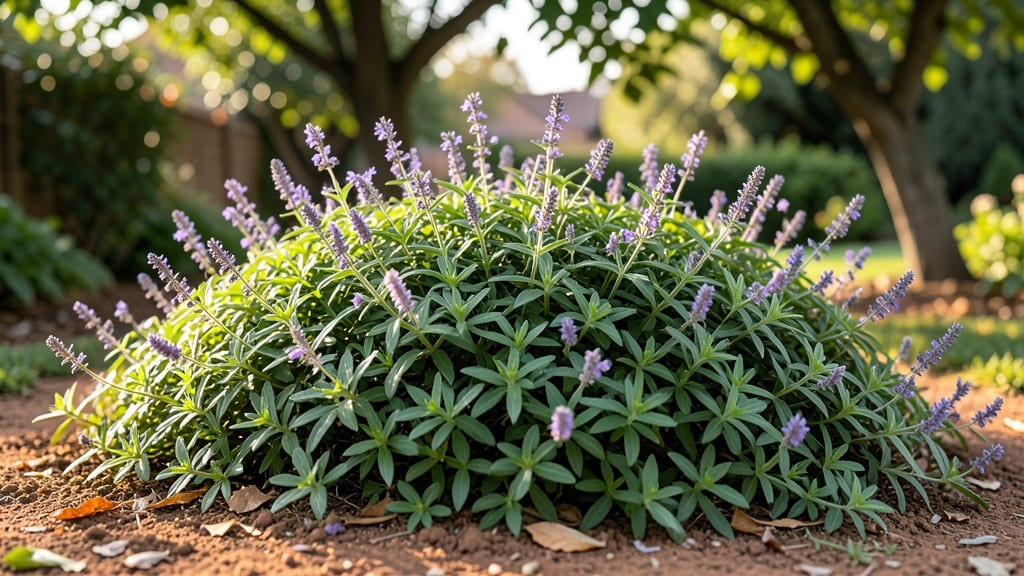
Yes, creeping myrtle is a perennial shrub in USDA zones 7-10, though it may suffer dieback in colder winters before regrowing in spring. Its semi-evergreen nature depends on climate and winter protection.
Creeping myrtle earns its perennial status because its roots and crown survive harsh winters, even when above-ground growth dies back. 🌱 Unlike annuals that complete their life cycle in one season, this shrub stores energy underground to rebound each spring—though the process takes longer in colder zones.
What sets it apart is its ability to regenerate from dormant buds, making it more resilient than many other woody plants in marginal climates.
In zones 7-9, creeping myrtle often retains some foliage year-round, while in zone 10 it may stay evergreen. The key difference lies in how cold-hardy the specific cultivar is—some varieties handle 10°F temperatures better than others.
This adaptability is why gardeners in transitional zones love it: with proper winter care, it can thrive where less hardy shrubs would fail.
💡 In This Article
- Creeping Myrtle’s Perennial Nature Explained
- Winter Care Tips to Protect Creeping Myrtle
Creeping myrtle’s perennial nature explained
The perennial nature of creeping myrtle (Vitex rotundifolia) stems from its deep, fibrous root system that stores carbohydrates and nutrients throughout winter.
Unlike annuals, which complete their life cycle in a single season, this shrub enters dormancy when temperatures drop below 30°F, allowing its crown and roots to survive.
The energy stored in these roots fuels regrowth once temperatures rise in spring—a process that can take 4-6 weeks in colder zones compared to 2-3 weeks in warmer climates.
What makes creeping myrtle unique is its semi-evergreen behavior, which varies by region. In USDA zones 9-10, it often retains glossy green leaves year-round, while in zones 7-8, foliage may yellow and drop entirely during hard freezes.
The plant’s ability to regenerate from dormant buds—located at the base of stems—explains why it can recover even after severe dieback. This resilience contrasts with deciduous shrubs like lilacs, which lose all foliage but still rely on stored energy in roots.
The shrub’s growth habit also plays a role in its perennial success. Creeping myrtle spreads via underground rhizomes, creating a dense network that insulates the crown from freezing temperatures.
In ideal conditions (zones 9-10), these rhizomes can extend 3-5 feet per year, forming thick mats that protect the plant from environmental stress. However, in marginal zones (like zone 7b), the rhizomes may shrink during winter, reducing the plant’s ability to spread aggressively until spring.
Climate factors like humidity and soil drainage further influence creeping myrtle’s perennial performance. In dry climates, the plant’s deep roots access moisture year-round, while in wetter areas, poor drainage can cause root rot—undermining its winter survival.
The shrub’s natural habitat along coastal dunes (where it’s native to Korea and Japan) explains its tolerance for salt spray and sandy soils, traits that contribute to its adaptability in varied landscapes.
Here’s how its growth compares to other perennials:
- Root depth: 3-5 feet (vs. 1-2 feet for most shrubs)
- Regrowth speed: 4-6 weeks in cold zones (vs. 2-3 weeks for tropical perennials)
- Cold tolerance: Survives 10-15°F with protection (vs. 20°F for many perennials)
The science behind its perennial behavior lies in its ability to balance growth and dormancy. During summer, creeping myrtle photosynthesizes aggressively, storing excess sugars in its roots—a process called carbohydrate loading.
These reserves fuel regrowth in spring, even after frost damage. This adaptability is why it thrives in transitional zones where other perennials struggle.