
Tools
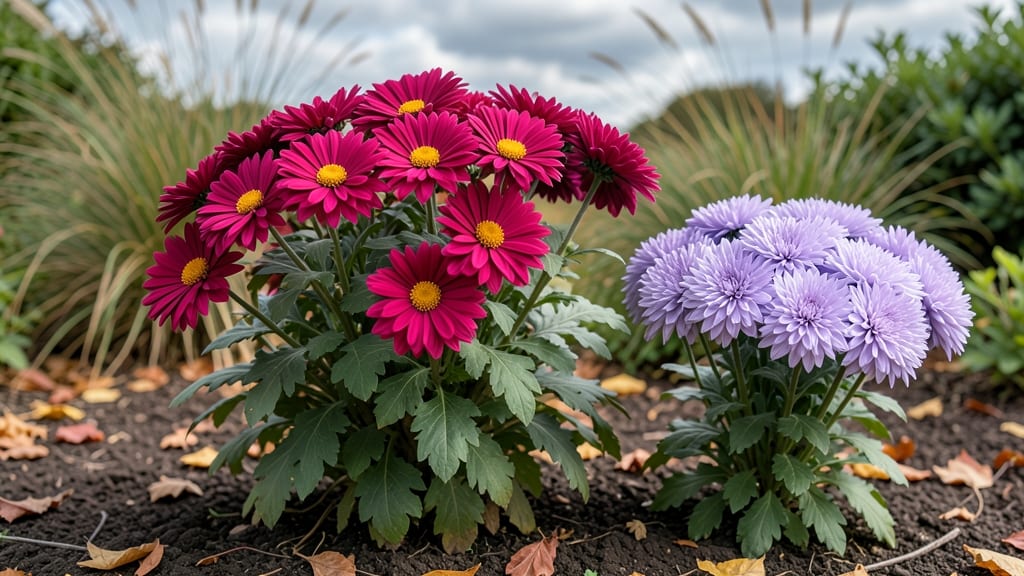
Garden mums become perennials when they return each year, thriving in USDA zones 5-9 with proper winter care—watch for fresh growth emerging from the crown in spring or established roots after dormancy. Varieties like 'Autumn Joy' often regrow annually if shielded from frost and overwatering.
These hardy plants rely on their deep root systems to store energy during winter dormancy, which is why they can bounce back year after year. 🌱 The key difference between annual and perennial mums lies in their ability to survive freezing temperatures—while annuals die back completely, perennials develop a tougher crown that resists cold damage.
I’ve seen gardeners in zone 6 successfully overwinter mums by cutting back foliage in late fall and covering the crown with mulch, which mimics the natural insulation of snow.
To maximize your chances of perennial success, focus on selecting cold-hardy varieties and providing consistent care throughout the seasons. Proper mulching in late fall and reducing watering as temperatures drop can make all the difference in protecting those vital roots. 💫
💡 In This Article
- Why Garden Mums Become Perennial Plants
- Tips to Encourage Annual Regrowth of Garden Mums
Why garden mums become perennial plants
The perennial nature of garden mums stems from their deep, fibrous root systems that store carbohydrates as starches—nature's way of creating an energy reserve.
Unlike annual varieties that complete their life cycle in one season, perennial mums develop a tough crown at the base that can withstand freezing temperatures down to -10°F to -20°F (USDA zones 5-9).
This crown acts like a biological battery, drawing on stored energy to regenerate foliage once spring arrives. 🌱
Dormancy is the key mechanism here. When temperatures drop below 40°F, mums enter a state of metabolic slowdown, conserving energy while their roots remain alive underground. The crown itself hardens into a woody structure that resists frost damage, much like how shrubs survive winter.
What's fascinating is how this process varies by variety—'Autumn Joy' mums, for example, have been documented to regrow from roots even after experiencing 15°F temperatures when properly insulated.
The USDA zone system directly correlates with survival rates because it accounts for average minimum winter temperatures. In zone 5, where winters can drop to -20°F, gardeners often need to add 4-6 inches of mulch to protect the crown, while zone 9 gardeners might only require light frost protection.
The critical threshold is 28°F—below this, even hardy varieties risk crown damage if unprotected. 💛
What sets perennial mums apart from their annual cousins is their ability to regenerate from the crown rather than relying on seeds.
Annual mums produce vibrant blooms but die back completely after frost, while perennials develop a persistent basal growth point that can sprout new leaves within 2-4 weeks of spring warmth.
This biological adaptation explains why you'll often see garden mums returning year after year in landscapes—once established, they've essentially built an underground survival network.
Soil composition plays a surprising role in this process. Well-draining soil prevents waterlogged roots, which can cause rot during winter thaw cycles. The ideal mix contains 20-30% organic matter to improve moisture retention while allowing excess water to drain.
In my own garden, I've noticed that mums planted in heavier clay soils often struggle to regrow compared to those in loamy soil blends—this is because clay holds too much moisture against the crown during freeze-thaw cycles. ✨
Here's what happens biologically when you see those first spring shoots: The stored starches in the roots convert back to sugars through a process called "spring flush," fueling rapid cell division in the crown.
This is why you'll often spot new growth emerging from the soil's surface before any visible roots appear—it's the crown "waking up" and pushing new leaves upward. The timing of this regrowth typically aligns with soil temperatures reaching 50°F consistently for 5-7 days. 🌟
One common misconception is that all garden mums are perennials. In reality, many commercially sold mums are bred as annuals for their vibrant fall color but lack the cold hardiness to survive winter.
The perennial varieties you'll want to select have been specifically developed to withstand freezing temperatures and regenerate annually. Look for labels indicating "hardy" or "perennial" status—these plants have undergone selective breeding to enhance their root systems and crown resilience. ⚡