
Planting
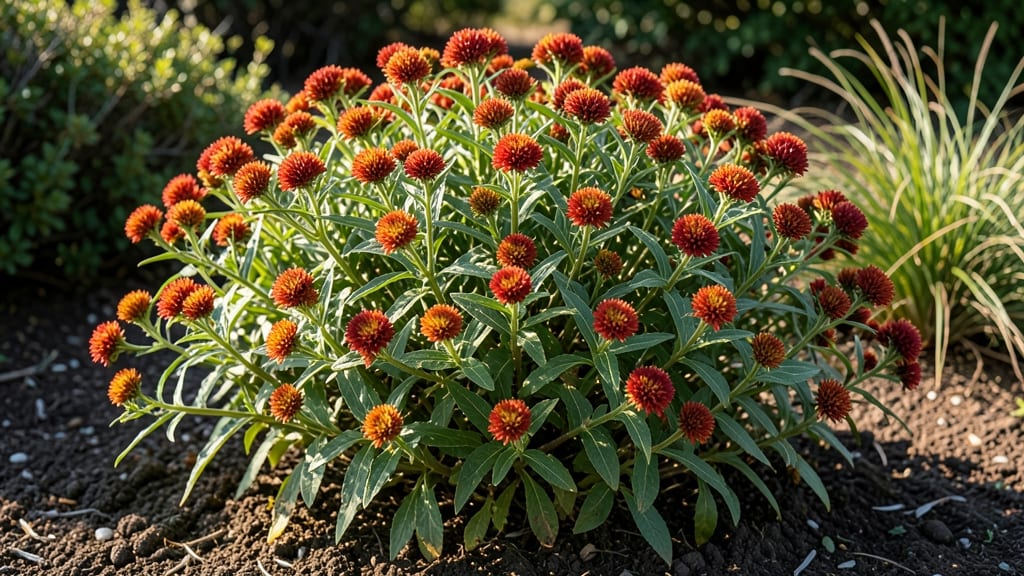
Dragon’s Breath plant is an annual or perennial succulent that thrives through multiple growing seasons, surviving cold snaps down to 20°F with its deep, fibrous root system. Though it may die back in harsh freezes, it reliably regrows from the base each spring when conditions improve.
The Dragon’s Breath plant’s perennial nature comes from its ability to store moisture in its thick roots, which act like natural water reservoirs during dry spells or cold snaps. 🔥 Unlike annuals that complete their life cycle in one season, this plant’s deep roots anchor it firmly in the soil, allowing it to rebound after winter dormancy.
In colder zones, proper soil drainage and winter mulching become critical—these practices prevent rot and help the roots endure frost without permanent damage.
What sets this plant apart is its resilience: while it may look dormant after a hard freeze, the root system remains alive underground, ready to sprout new growth once temperatures rise.
This makes it a low-maintenance choice for gardeners in zones 8-11, where winter protection is more about strategy than constant intervention.
💡 In This Article
- How Dragon’s Breath Plant Roots Adapt to Cold Zones
- Cold-Zone Care Tips for Dragon’s Breath Perennials
How dragon’s Breath plant roots adapt to cold zones
The Dragon’s Breath plant’s survival in cold zones starts with its fibrous root system, which spreads horizontally up to 12-18 inches wide while growing vertically to 6-12 inches deep. These roots store water in specialized parenchyma cells, creating a built-in reservoir that sustains the plant during drought or frost.
Unlike shallow-rooted succulents like echeveria (which typically grow only 2-4 inches deep), Dragon’s Breath roots penetrate deeper to access moisture and nutrients, giving it a competitive edge in well-draining soils.
What makes this root system unique is its ability to supercool—a process where water in the roots remains liquid below freezing, preventing ice crystal formation that could rupture cells.
This adaptation allows the plant to endure temperatures down to 20°F without permanent damage, though prolonged exposure to 15°F or lower can cause dieback above ground.
The roots themselves remain dormant but viable, ready to fuel regrowth once temperatures rise. 💫 This is why gardeners in zones 8-11 often see their Dragon’s Breath plants "come back from the dead" each spring.
Soil drainage is non-negotiable for this plant’s cold resilience. The fibrous roots thrive in gritty, mineral-rich soils with a pH of 6.0-7.5, where excess water drains quickly to prevent rot. In contrast, heavy clay soils trap moisture and cold, creating conditions that suffocate the roots.
For example, in USDA zone 8, where winter lows can dip to 10°F, amending garden beds with 20-30% perlite or coarse sand mimics the plant’s natural habitat in South Africa, where it evolved in rocky, well-drained environments.
Another key adaptation is the plant’s root hairs, which increase surface area for water absorption. These microscopic structures act like tiny straws, pulling moisture from the soil even when conditions are dry or cold.
This is particularly useful in late winter, when the ground is still frozen but the roots need to rehydrate before new growth emerges. Compare this to sedum, which relies more on its fleshy leaves for water storage—Dragon’s Breath’s root-focused strategy makes it far more drought- and frost-tolerant overall.
When temperatures drop below 32°F, the plant triggers a survival mechanism called cold acclimation, where it reduces metabolic activity and produces antifreeze proteins in its roots. These proteins bind to ice crystals, lowering the freezing point of cellular water and protecting vital functions.
This process is similar to how some trees survive winter, but Dragon’s Breath’s roots handle it more efficiently due to their fibrous, spreading structure. 🌟 Without this adaptation, the roots would freeze solid, killing the plant permanently.
Gardeners in marginal zones (like zone 7b) can push the plant’s limits by combining root protection with surface insulation. For instance, wrapping the base of the plant with 2-3 inches of straw mulch creates an insulating barrier that moderates soil temperature fluctuations.
The roots, being deep and fibrous, benefit from this gradual temperature change rather than sudden freezes that can shock shallower systems.