
Orchid Care
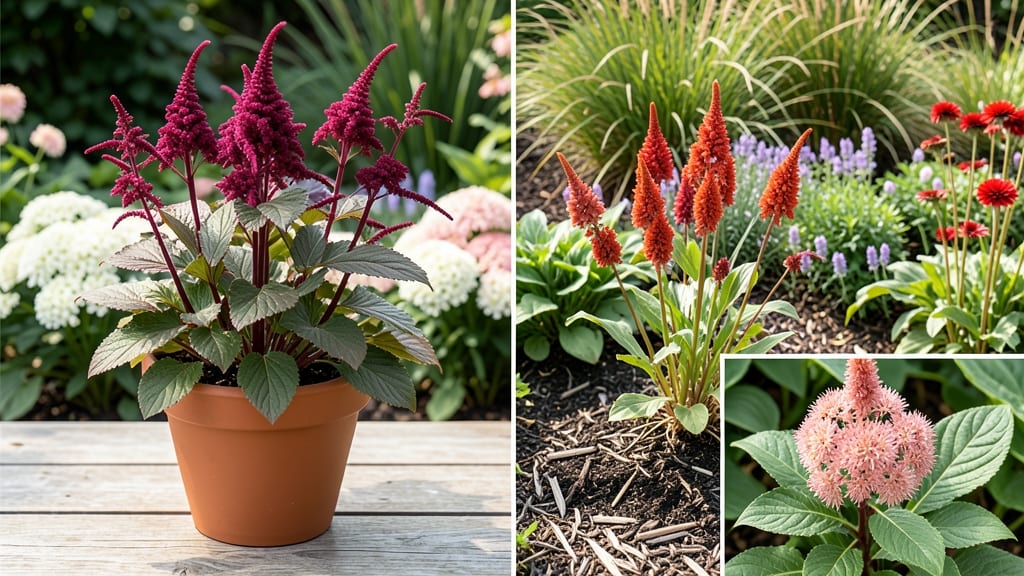
Astilbe is a perennial plant that behaves like an annual in colder climates, dying back to the ground each fall but regrowing reliably from its hardy root system with proper care.
This dieback cycle isn't a sign of weakness—it's astilbe's survival strategy. 🌱 The plant stores energy in its thick, tuberous roots during dormancy, which is why it thrives in USDA zones 3-9. When spring arrives, those roots push new shoots upward, often before the soil warms completely.
The key difference between true annuals and astilbe is that annuals complete their entire lifecycle in one season, while astilbe simply goes dormant to conserve energy.
Many gardeners mistake this natural cycle for failure, but with the right winter protection and spring soil prep, you'll get those signature feathery plumes back year after year.
What makes this particularly interesting is how temperature triggers the cycle. In warmer climates, astilbe may show early signs of regrowth as soon as late winter, while northern gardeners might need to wait until soil temperatures reach 50°F before seeing new growth.
This adaptability is why astilbe remains such a popular choice—it's both a reliable perennial and surprisingly resilient in challenging conditions.
💡 In This Article
- Why Astilbe Dies Back Annually: The Science Behind Its Growth Cycle
- How to Care for Astilbe Perennials Through Winter and Spring
Why astilbe dies back annually: the science behind its growth cycle
Astilbe's annual dieback is a survival mechanism tied to its tuberous root system, which stores carbohydrates and nutrients during dormancy. These roots, often 2-3 inches thick, act like underground batteries, converting sunlight energy into stored food throughout the growing season.
This adaptation allows astilbe to thrive in USDA hardiness zones 3-9, where winter temperatures can drop below 20°F—far colder than most tropical plants can tolerate. 🌱
The dormancy trigger comes from a combination of shorter daylight hours and cooler temperatures. When nighttime temperatures consistently stay below 50°F for 4-6 weeks, astilbe's growth hormones shift from promoting leafy shoots to root development.
This physiological response is similar to how bulbs like daffodils prepare for winter, but astilbe's roots remain active just below the frost line, maintaining cellular integrity. The key difference is that astilbe's roots don't enter true hibernation—they remain metabolically active at reduced levels, ready to burst upward when conditions improve.
What's fascinating is how temperature affects regrowth timing. In zone 7, you might see new shoots emerge as early as late February when soil temperatures reach 45°F, while zone 4 gardeners often wait until mid-April when the ground thaws.
This variability explains why some gardeners assume their astilbe died permanently—when in fact, the roots were simply waiting for the right conditions.
The plant's ability to delay regrowth until soil temperatures are stable (typically 55°F or warmer) ensures it won't waste energy on tender new growth that could be damaged by late frosts.
Another critical factor is the plant's photoperiod sensitivity. Astilbe detects decreasing daylight hours through phytochrome pigments in its leaves, which signal the transition to dormancy. This light-sensitive mechanism explains why astilbe planted in full sun locations often enters dormancy slightly earlier than those in partial shade.
The shade-planted varieties may extend their growing season by 2-3 weeks, storing more energy in their roots for the following spring's display. This biological clock ensures astilbe synchronizes its life cycle with seasonal changes, maximizing its chances of survival and reproduction.
Here's what most gardeners overlook: the root system's health determines whether astilbe will return. A mature astilbe plant develops a network of fibrous roots that can extend 12-18 inches deep, creating a robust anchor system.
When you see those feathery plumes in summer, about 60% of the plant's energy is actually being directed below ground, building next year's root structure. This underground investment is why proper soil preparation—especially in spring—can make the difference between a vibrant return and a failed regrowth.
The science behind astilbe's cycle also explains why it's more reliable than many true perennials. While plants like peonies might skip a year due to stress, astilbe's tuberous roots provide a built-in survival mechanism.
Even if the top growth dies back completely, those roots remain viable for 3-5 years, capable of producing new shoots when conditions improve. This resilience is why astilbe remains a garden favorite—it's not just surviving winter, it's strategically preparing for the next growing season. 💫