
Plants
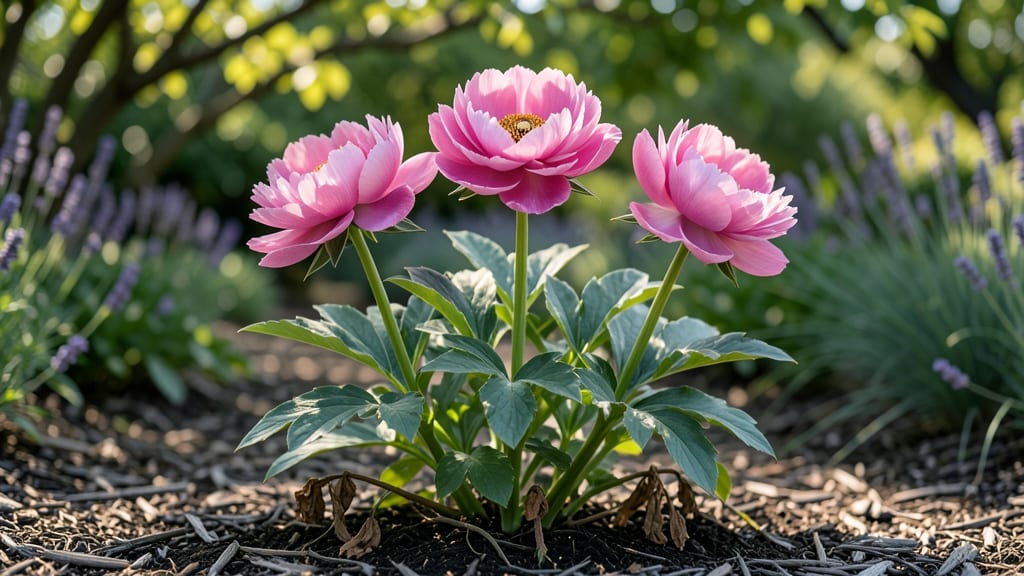
When you plant perennials, Does perennial mean it comes back every year? Yes, it does—but their return relies on hidden underground systems like roots and rhizomes that store energy during winter dormancy, not just visible leaf regrowth.
Perennials earn their name because they persist beyond one growing season, but their survival isn't about visible foliage.
Instead, it's all about those sturdy root networks that act like natural batteries, storing nutrients to fuel spring rebirth. 🌱 Many gardeners mistakenly think dead winter stems mean the plant is gone, but those brown stalks are just protective shells until warmer weather triggers new growth.
The key difference from annuals is this underground energy reserve—think of it as nature's way of hitting the pause button during cold months.
What makes this cycle fascinating is how climate zones influence timing. In colder regions, perennials might stay dormant for months, while in milder areas, they could show early green shoots by late winter.
Proper winter care—like adding mulch—helps protect these energy stores, ensuring stronger returns each spring. The dieback you see isn't failure; it's the plant's strategic survival strategy in action.
💡 In This Article
- How Perennial Plants Survive Winter Dormancy
- Caring for Perennials Through Their Dieback Cycle
How perennial plants survive winter dormancy
Perennial plants survive winter through a clever biological process called dormancy, where they enter a state of reduced metabolic activity. Unlike annuals that complete their life cycle in one season, perennials rely on specialized underground structures like roots, rhizomes, or tubers to store carbohydrates, proteins, and water.
These storage organs can contain enough energy to sustain the plant through months of freezing temperatures and minimal sunlight. For example, peony roots store up to 20% starch by fall, enough to fuel regrowth when temperatures rise above 40°F.
The key to this survival mechanism is the plant's ability to regulate water flow and protect cellular structures from freezing damage. During dormancy, perennials produce antifreeze proteins that lower the freezing point of their cell fluids, similar to how some animals survive subzero conditions.
This process is triggered by shorter daylight hours and cooler temperatures, which signal the plant to shift resources from growth to storage. The dead foliage you see in winter acts as insulation, protecting these vital storage organs from extreme cold and temperature fluctuations.
What sets perennials apart from annuals and biennials is their rhizomatous or tuberous growth habit. Plants like asparagus develop thick, fleshy roots that can survive for decades, while iris spreads through horizontal rhizomes that store energy in segmented nodes.
These structures allow perennials to regenerate quickly in spring, often producing new shoots within 2-4 weeks of consistent warmth. The speed of regrowth depends on the species—some like hostas emerge early, while others like daylilies wait until soil temperatures reach 50°F.
Temperature plays a crucial role in breaking dormancy. Most perennials require a period of chilling hours (typically 500-1,000 hours below 45°F) to trigger regrowth hormones. This is why perennials grown in warmer climates sometimes struggle in colder zones—they may not receive enough chilling to properly reset their growth cycles.
The transition from dormancy to active growth is also influenced by moisture availability; dry winters can stress storage organs, while excessive moisture may lead to rot.
Consider the example of coneflowers (Echinacea), which store energy in their thick taproots. After a 6-month dormancy period, these roots can produce new stems and flowers within 3-4 weeks of spring's arrival.
The plant's ability to prioritize root growth over foliage in early spring ensures it has enough energy to support both new leaves and flower buds. This underground energy reserve is what truly defines a perennial's ability to return year after year.
Understanding this process helps explain why some perennials appear "dead" in winter only to bounce back with vigor. The brown stems you see aren't a sign of failure—they're the plant's protective mechanism, conserving energy until conditions are right for regrowth.
This biological strategy is what allows perennials to outlast annuals and even some trees in challenging environments.