
Plants
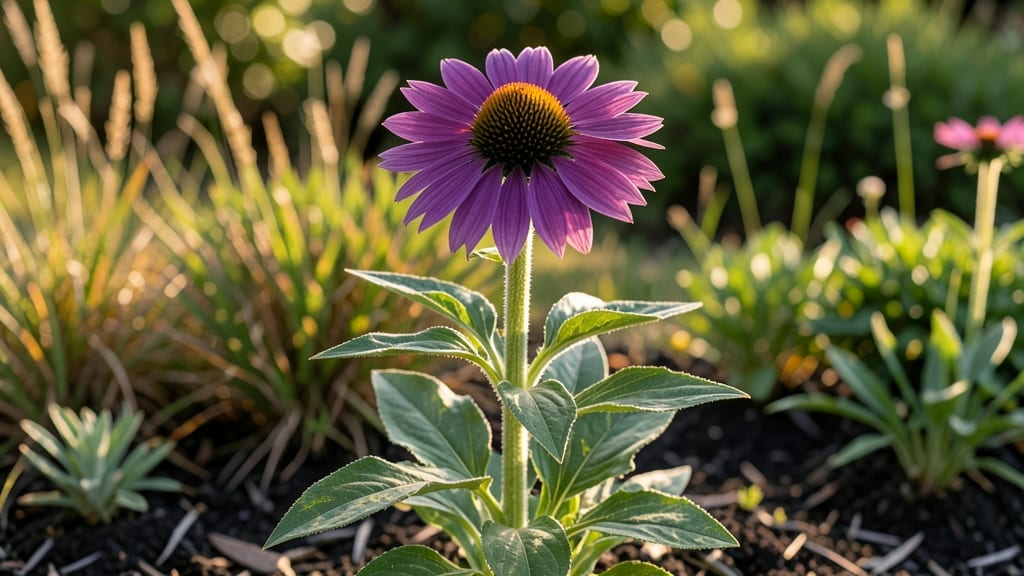
Perennials do come back yearly because their specialized root systems—like rhizomes, bulbs, or tubers—survive winter dormancy by storing energy underground, then regrow above-ground growth when temperatures rise. This built-in resilience lets them thrive for multiple seasons, unlike annuals that complete their life cycle in one year.
This yearly return isn't just luck—it's biology. 🌱 Perennials store carbohydrates in their roots during the growing season, which they convert into sugars to fuel regrowth when spring arrives.
Think of it like a natural savings account: the plant invests energy underground during warm months, then withdraws it when conditions are right. For example, peonies use thick rhizomes to survive harsh winters, while daffodils rely on bulbs packed with nutrients.
Even in cold climates, these structures protect the plant's core, ensuring it can bounce back year after year with minimal care.
What makes this especially useful for gardeners is how this trait translates into long-term beauty. Unlike annuals that require replanting, perennials deliver consistent blooms and foliage with proper care—think of coneflowers returning every summer or hostas providing shade all season.
The key is maintaining healthy soil and protecting roots during winter, which I'll cover in the next section.
💡 In This Article
- How Perennial Root Systems Enable Yearly Regrowth
- Caring for Perennials to Maximize Seasonal Returns
How perennial root systems enable yearly regrowth
Perennial plants rely on specialized underground structures to survive winter and regrow each spring. These structures—rhizomes, bulbs, tubers, and taproots—act like biological batteries, storing carbohydrates, proteins, and water during the growing season.
For example, peonies use thick, horizontal rhizomes that can store enough energy to regrow even after being buried under snow for months. The rhizome's thick, fleshy texture contains starches that convert to sugars when temperatures rise, fueling new shoots.
Bulbs, like those of daffodils or tulips, are another efficient storage system. A bulb consists of layers that resemble an onion, with each layer packed with nutrients. The outer scales protect the inner growth center, while the base contains the roots.
When spring arrives, these bulbs absorb water and warmth, triggering cell division that pushes stems upward. Some bulbs, like crocuses, even emerge through snow, demonstrating their hardiness.
The key difference between rhizomes and bulbs lies in their structure: rhizomes grow horizontally and can spread, while bulbs grow vertically and remain compact.
Taproots, found in plants like black-eyed Susans, extend deep into the soil, accessing moisture and nutrients from lower layers. These roots store energy in their thickened bases, allowing the plant to survive drought and cold. When spring arrives, the taproot sends out new shoots, often before the soil thaws completely.
This deep-rooted resilience explains why perennials like coneflowers can thrive in poor soil conditions—they tap into nutrients others can't reach. The storage capacity varies by species, but all these structures share one critical trait: they prioritize survival over immediate growth.
What triggers regrowth isn't just temperature—it's a combination of warmth, moisture, and daylight. Most perennials begin producing new growth when soil temperatures reach 40-50°F, even if air temperatures are still chilly.
This is why you might see daffodils poking through the ground weeks before tulips, depending on their specific needs. The plant's internal clock, influenced by hormones like auxin and gibberellins, coordinates this awakening. These hormones signal cells to divide and elongate, pushing buds upward.
Without these underground reserves, perennials would rely solely on seasonal growth, making them vulnerable to environmental stresses.
Consider the case of hostas, which use thick, fibrous roots to store energy. These roots can regenerate even if the above-ground foliage dies back completely. In contrast, annuals like marigolds have shallow root systems that store minimal energy, forcing them to complete their life cycle in one season.
The contrast highlights why perennials are the backbone of low-maintenance gardens—their root systems do most of the heavy lifting. For gardeners, understanding these mechanisms means you can focus on protecting these vital structures during winter and providing consistent moisture to encourage robust regrowth each spring.
One fascinating example is the way some perennials, like asparagus, produce edible shoots from their crowns—thickened bases where roots and stems meet. The crown stores enough energy to produce spears for years, even after being harvested. This is why asparagus beds can be productive for decades with proper care.
The lesson here is clear: the more energy a perennial stores underground, the more resilient it becomes, ensuring it returns year after year with minimal effort from you.