
Plants
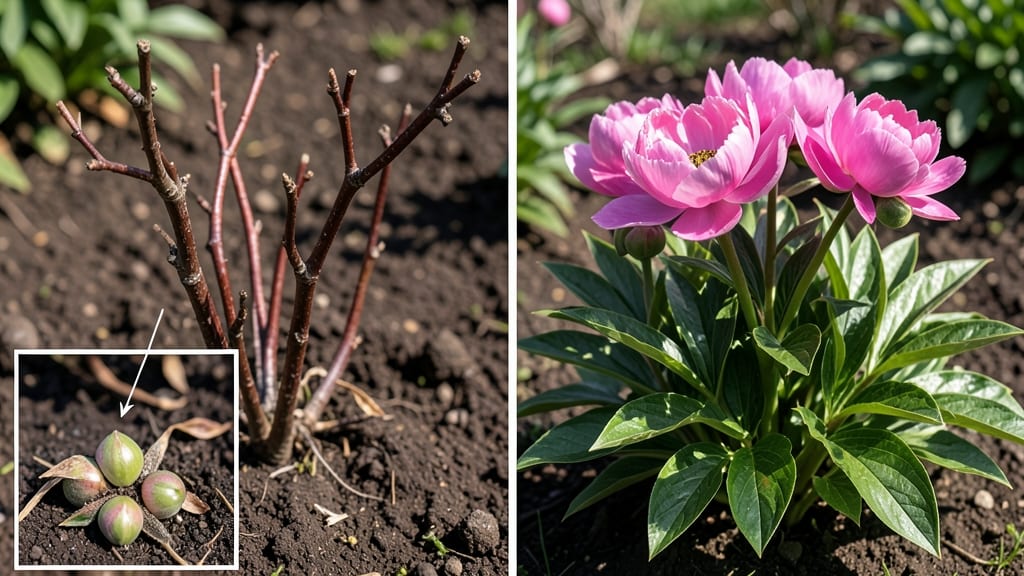
Yes, perennials come back every year by relying on specialized underground storage structures—rhizomes, tubers, or crowns—that preserve energy and nutrients through winter dormancy, then fuel new growth when conditions improve. Some varieties even thrive after freezing, while others need seasonal protection.
Perennials owe their persistence to clever biology: their root systems act like natural batteries, converting sunlight into stored starches during the growing season. 🌱 When temperatures drop, these structures enter dormancy, shutting down active growth but preserving their energy reserves.
The real magic happens in spring when rising temperatures trigger regrowth—think of it as nature's built-in reset button. Unlike annuals (which complete their life cycle in one season) or biennials (which take two years), perennials have evolved to outlast harsh conditions, making them the workhorses of gardeners worldwide.
This survival strategy explains why perennials like hostas, daylilies, and peonies return year after year with minimal effort from you—though cold-hardy doesn't always mean care-free. Tender perennials (like lavender or salvia) still need winter protection, while neglecting mulching or pruning can weaken their root systems over time.
The key is understanding each plant's specific needs to ensure they bounce back stronger than ever.
💡 In This Article
- How Perennial Root Systems Store Energy for Regrowth
- Caring for Perennials Year-Round to Ensure They Return
How perennial root systems store energy for regrowth
Perennials rely on specialized underground structures—like rhizomes, tubers, and crowns—to act as natural energy reserves. These systems store starches (the plant's equivalent of carbohydrates) and nutrients during the growing season, converting sunlight into chemical energy through photosynthesis.
For example, a daylily rhizome can store enough energy to fuel a full season of growth, while a peony crown might hold 10-15% of its dry weight in starches by fall. This stored energy becomes the fuel for regrowth when temperatures rise in spring.
The magic of dormancy lies in how these structures adapt to cold. As temperatures drop below 40°F, perennials trigger a biochemical process that slows metabolism and hardens cell walls, creating a protective barrier against freezing.
Some plants, like hostas, even produce antifreeze proteins that prevent ice crystals from forming in their cells—similar to how some fish survive in Arctic waters.
Unlike annuals (which die after seeding) or biennials (which take two years to flower), perennials have evolved to maintain this dormant state while preserving their energy stores.
Temperature acts as the ultimate trigger for regrowth. When soil temperatures consistently reach 45-50°F in spring, hormonal signals (like gibberellins) activate, prompting buds to break dormancy. This explains why perennials often emerge earlier in warmer microclimates—like south-facing garden beds—compared to colder spots.
The timing of this process varies by species: asparagus crowns might sprout at 35°F, while lavender roots need 55°F to wake up, which is why tender perennials often struggle in harsh winters without protection.
Not all perennials store energy the same way. Rhizomatous plants (like iris) spread horizontally, creating new growth points along their stems, while tuberous varieties (like dahlias) store nutrients in thickened underground stems. Bulbs, such as tulips, have a layered structure where the basal plate acts as the main storage hub.
This diversity explains why some perennials return more vigorously than others—those with larger storage organs (like peony crowns) typically bounce back stronger after winter.
What most gardeners don't realize is that these root systems aren't just passive storage units—they're actively growing and repairing themselves during dormancy. Studies show that crowns can increase in size by 5-10% annually even when no above-ground growth is visible.
This gradual expansion ensures the plant has more energy reserves each year, allowing it to support larger blooms or foliage over time. The key takeaway? Healthy root systems are the foundation of perennial persistence, and understanding their storage mechanisms helps you care for them more effectively.