
Companion Plants
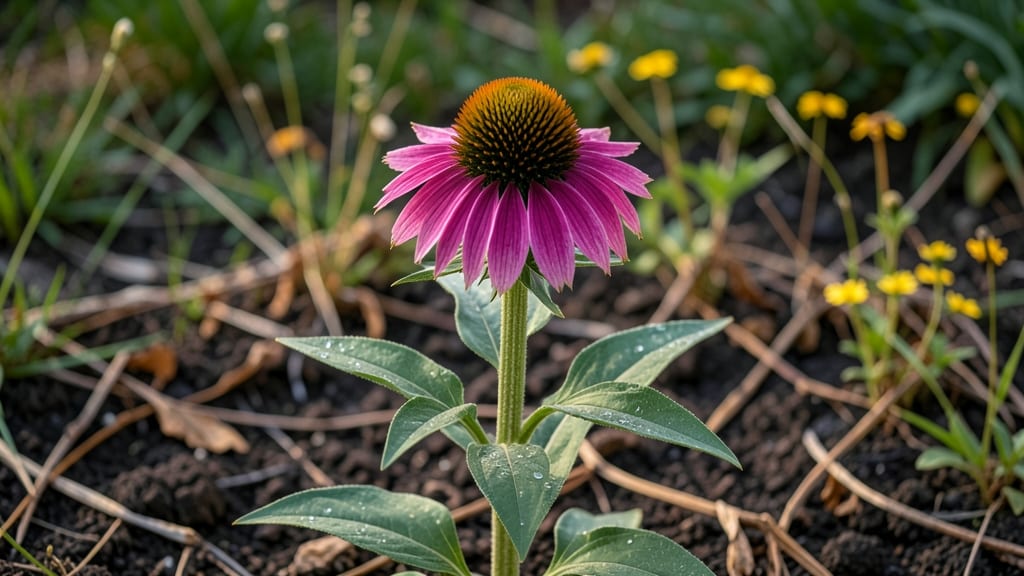
Perennial plants do come back every year by storing energy in their roots, bulbs, or underground stems during winter dormancy, then regrowing when conditions warm. Their resilience depends on species, climate, and care.
This remarkable ability comes from their underground storage systems—whether through thick rhizomes, bulbs, or crowns—that act like nature's batteries. 🌱 During dormancy, these plants convert stored sugars into survival energy, allowing them to push through soil as soon as temperatures rise.
The key to their yearly return lies in proper winter care: protecting roots from freeze-thaw cycles and ensuring they're not overwatered when growth slows.
What sets perennials apart from annuals is their deep root systems, which can extend several feet underground. These roots access moisture and nutrients far beyond what surface plants reach, giving perennials a competitive edge in harsh conditions.
For gardeners, this means choosing plants suited to your climate zone and providing consistent soil health through composting and mulching.
💡 In This Article
- How Perennial Roots Survive Winter Dormancy
- Factors That Ensure Perennials Return Year After Year
How perennial roots survive winter dormancy
The secret behind perennial plants' yearly return lies in their specialized underground storage organs that act like biological batteries. During autumn, as temperatures drop below 50°F, these plants undergo dormancy—a state of suspended growth where metabolic activity slows dramatically.
Rhizomes (horizontal stems like in ginger) and tubers (like potatoes) store carbohydrates as starch, while crowns (the base where stems meet roots) contain dormant buds protected by insulating layers. These storage organs can contain enough energy to sustain the plant through months without photosynthesis.
Temperature acts as the critical trigger for regrowth. Most perennials begin their annual cycle when soil temperatures consistently reach 40-50°F—this warmth signals the roots to convert stored starches into sugars through a process called hydrolysis. The sugars then fuel new shoot growth.
Cold-hardy species like peonies can survive -20°F winters because their cells produce antifreeze proteins that prevent ice crystal formation in their tissues. Meanwhile, tropical perennials like cannas die back to their rhizomes, which remain dormant until soil warmth returns in spring.
The root system's depth plays a crucial role in survival. Perennial roots can extend 3-6 feet underground, accessing moisture and nutrients that surface plants can't reach. This deep network also stabilizes the plant against wind and provides insulation against temperature fluctuations.
For example, asparagus roots live for 15-20 years because they develop a complex system of crowns and lateral roots that continuously regenerate. The deeper roots stay warmer in winter due to geothermal heat from the earth.
Water management is equally important during dormancy. While growth slows, roots continue to respire (breathe), so they need moisture to prevent desiccation. However, overwatering can lead to root rot in cold soils.
The ideal winter moisture level keeps soil 60-70% of field capacity—just enough to prevent dehydration without creating anaerobic conditions. Mulch layers of 3-4 inches of straw or leaves further protect roots by moderating temperature swings between day and night.
Not all perennials use the same storage strategy. Bulbs like tulips store energy in concentric layers of fleshy scales, while corms (like gladioli) have solid, starch-filled stems. Each structure has evolved to balance energy storage with protection against predators and environmental stress.
For instance, daffodil bulbs contain toxic alkaloids that deter animals, while the fibrous roots of daylilies spread horizontally to avoid soil compaction. These adaptations explain why some perennials thrive in urban gardens while others require rural conditions.
What most gardeners overlook is how light affects dormancy. Even during winter, some perennials like hostas continue slow photosynthesis in their leaves, producing minimal energy. This explains why evergreen perennials often fare better in shaded areas—they can maintain some metabolic activity year-round.
The key takeaway is that dormancy isn't true hibernation but rather a carefully regulated state where the plant balances energy conservation with survival strategies tailored to its specific environment.