
Pests and Diseases
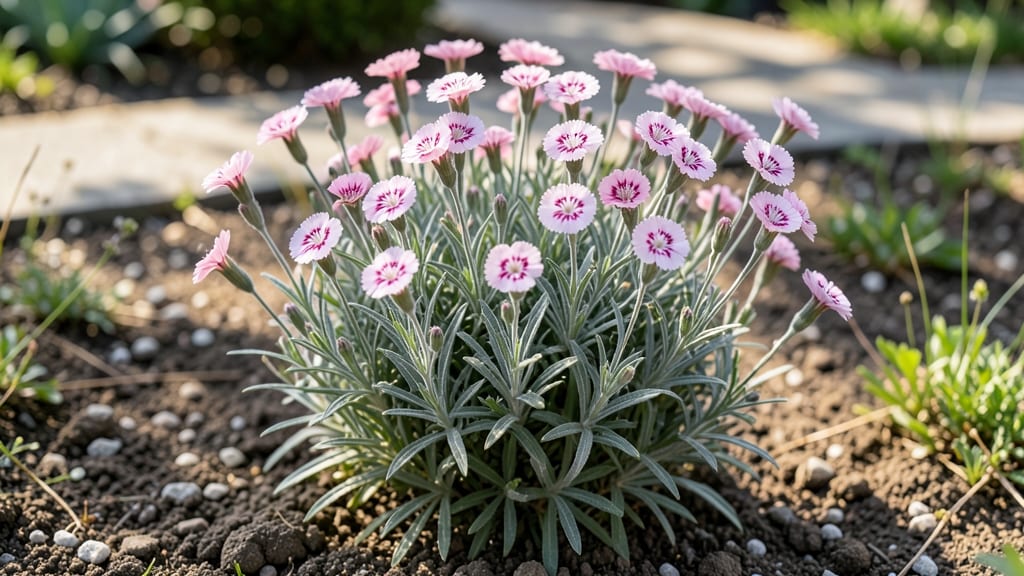
Dianthus plants are perennials in most climates, returning year after year when given proper winter care, though their cold tolerance varies significantly by variety—hardy types like Dianthus barbatus survive winter dieback in zones 3-9, while tender varieties may only last as annuals in frost-prone areas.
This distinction comes down to their natural growing habits and root systems. 🌱 Many dianthus varieties store energy in their roots during dormancy, allowing them to regrow once temperatures rise.
Cold-hardy types like sweet william (Dianthus barbatus) can handle freezing temperatures by going dormant, while others may need winter protection like mulch or microclimates to survive. The key is understanding your specific variety's tolerance—some will bounce back from frost damage, while others might need replanting each season.
For gardeners in colder regions, the difference between a true perennial and an annual dianthus often comes down to proper winter prep. 🌿 Even hardy varieties benefit from a thick layer of mulch or protective fabric during harsh winters. This isn't just about survival—it's about ensuring strong regrowth in spring.
I've seen dianthus plants that looked completely dead in winter come back with vibrant new growth when given the right conditions, proving that with the right care, these plants can indeed be reliable perennials in many landscapes.
💡 In This Article
- Dianthus Cold Hardiness by Variety and Zone
- Reviving Dianthus After Winter Dieback
Dianthus cold hardiness by variety and zone
The cold tolerance of dianthus plants hinges on their root systems and leaf structure. Hardy varieties like Dianthus barbatus (sweet william) store carbohydrates in their thick, fibrous roots during dormancy, allowing them to withstand temperatures down to -30°F (-34°C) in zones 3-4.
These roots act like natural batteries, fueling regrowth when spring arrives. 🌟 In contrast, tender varieties with shallow root systems—such as Dianthus chinensis—struggle below 20°F (-7°C) and often die back completely in winter.
Leaf type plays a critical role too. Rosulate dianthus (like Dianthus gratianopolitanus) grow in tight basal rosettes, protecting their growing points from frost. Their fleshy leaves hold moisture, insulating the crown.
Meanwhile, cushion-forming varieties (e.g., Dianthus deltoides) have dense, woody stems that trap heat, making them more resilient in zones 5-8. The science here is about thermal mass—how well the plant retains heat and protects its vital parts.
Zone-specific care makes all the difference. In zones 3-5, hardy dianthus varieties like Dianthus barbatus can survive winter dieback naturally, though they may lose foliage. In zones 6-8, even tender varieties often persist if given 3-4 inches of mulch (straw or shredded leaves work best).
The key is preventing soil heaving—when frozen water expands and damages roots. 💫 In zone 9+, where winters are mild, dianthus typically grows as a true perennial with minimal protection.
What most gardeners overlook is the dormancy cycle. Dianthus enters dormancy when nighttime temperatures drop below 50°F (10°C) for extended periods. During this time, growth halts, and the plant conserves energy. This natural shutdown is why some varieties appear "dead" in winter but rebound in spring.
The USDA Plant Hardiness Zone Map is a great starting point, but local microclimates (like south-facing slopes) can push zones up by 1-2 degrees.
Consider these cultivar-specific examples for your region:
- Zones 3-5: Dianthus barbatus (sweet william) and Dianthus gratianopolitanus (carnation) thrive with no winter protection beyond natural snow cover.
- Zones 6-8: Dianthus chinensis and Dianthus superbus need 2-3 inches of mulch to survive frost.
- Zone 9+: Dianthus deltoides (maiden pink) grows as a true perennial with minimal care.
For gardeners in transition zones (e.g., zone 6b), the difference between a 3-year perennial and a 1-year annual often comes down to mulching timing. Apply mulch after the first frost to protect emerging roots, then remove it in early spring to prevent overheating. 🔥