
Flowers
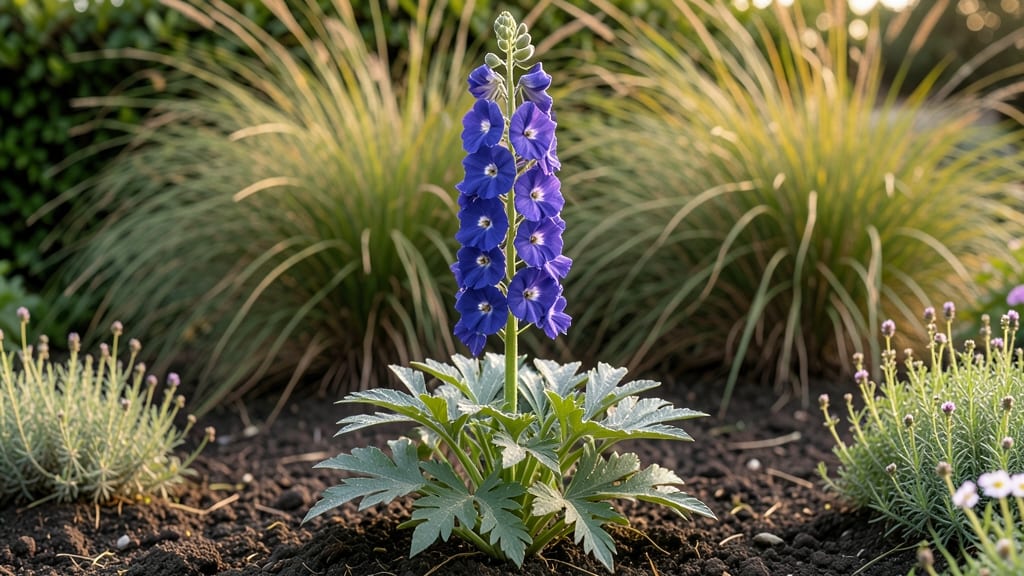
Delphinium perennials grow best in USDA zones 3 through 8, where cold-hardy types like Delphinium elatum and Delphinium grandiflorum can survive winters in zones 3-7. For optimal growth, plant them in well-draining soil with full sun exposure and add mulch to protect roots during freezing temperatures.
Delphiniums are tougher than many gardeners realize, especially when you give them the right conditions. 🌱 The key to their cold resilience lies in their deep root systems, which anchor them firmly and store nutrients to fuel regrowth in spring.
I’ve seen Delphinium elatum bounce back after winters with -30°F temperatures—just make sure to plant them in slightly raised beds if your soil drains poorly. Mulching with 3-4 inches of straw in late fall creates an insulating blanket that keeps roots from freezing, while still allowing moisture to penetrate.
For zones 8 and warmer, you’ll want to focus on varieties like Delphinium cardinale, which handles heat better but still needs consistent moisture. The real secret to long-term success? Deadheading spent blooms and cutting back foliage in early fall—this prevents energy loss over winter and encourages stronger regrowth.
Most gardeners underestimate how much these plants appreciate a little TLC after their first year!
💡 In This Article
- Cold-Hardy Delphinium Varieties for Different Zones
- Planting and Care Tips for Delphinium Perennials in Cold Climates
Cold-hardy Delphinium varieties for different zones
The cold resilience of delphiniums comes down to their genetic adaptations and root structures. Varieties like Delphinium elatum have developed deep taproots that can penetrate 3-4 feet into the soil, accessing moisture and nutrients even when surface layers freeze.
This root system acts like a natural thermos, insulating the plant's core during winter's harshest months. 🌡️ The waxy coating on their stems also reduces water loss during freezing temperatures, which is why you'll see these varieties thriving in zones 3-7 where winters can drop below -20°F.
Let's compare two standout cold-hardy varieties: Delphinium grandiflorum (with its compact 2-3 foot height) and Delphinium elatum (reaching 4-6 feet). The grandiflorum's smaller stature makes it more wind-resistant in exposed gardens, while elatum's taller stems store more energy reserves in its extensive root system.
Both produce striking blue or purple blooms, but elatum's flowers are larger (1.5-2 inches across) and appear slightly later in the season, giving it a slight edge in colder climates where spring comes late.
What most gardeners don't realize is how these plants handle frost differently at various growth stages. Young seedlings are most vulnerable, which is why fall planting (rather than spring) gives them time to establish roots before winter.
Mature plants, however, can survive -10°F temperatures with little protection, but their flower buds need special care—covering them with fine mesh fabric prevents frost damage that could ruin next season's blooms. 🌸 The key difference between zone 3 and zone 7 varieties comes down to their ability to regenerate quickly after frost—elatum varieties often produce new shoots within 2-3 weeks of spring thaw, while grandiflorum may take 4-6 weeks.
For gardeners in transition zones (like zone 6), choosing intermediate varieties like Delphinium 'Blue Bird' offers the best of both worlds. This hybrid combines elatum's hardiness with grandiflorum's compact growth, producing 3-foot plants with 1.5-inch flowers that bloom from early summer to fall.
The secret to their success lies in their ability to balance energy storage in roots with above-ground growth—something breeders have perfected by selecting for plants that don't put all their energy into stem growth before winter.
Color plays an unexpected role in cold tolerance too. Darker blue varieties often handle heat better in summer but may need slightly more protection in winter, while lighter lavender tones tend to be more frost-resistant.
This is because the pigments in darker flowers absorb more sunlight, which can be beneficial in warm climates but potentially risky in cold ones where the extra heat might encourage early growth that gets damaged by late frosts. 🌿 When selecting varieties, always check the specific cultivar's history—some elatum varieties bred in Canadian gardens have shown remarkable survival in zone 2 conditions with proper mulching.
The most cold-tolerant delphiniums share three key traits: deep root systems, early flowering cycles (to finish blooming before hard frosts), and the ability to go dormant quickly.
For example, Delphinium 'Pacific Giant' can handle zone 4 winters because it completes its growth cycle by early September, while Delphinium 'Blue Sky' often needs winter protection because it blooms later into fall. Understanding these growth patterns helps you select varieties that match your local climate's specific frost timing.