
Orchid Care
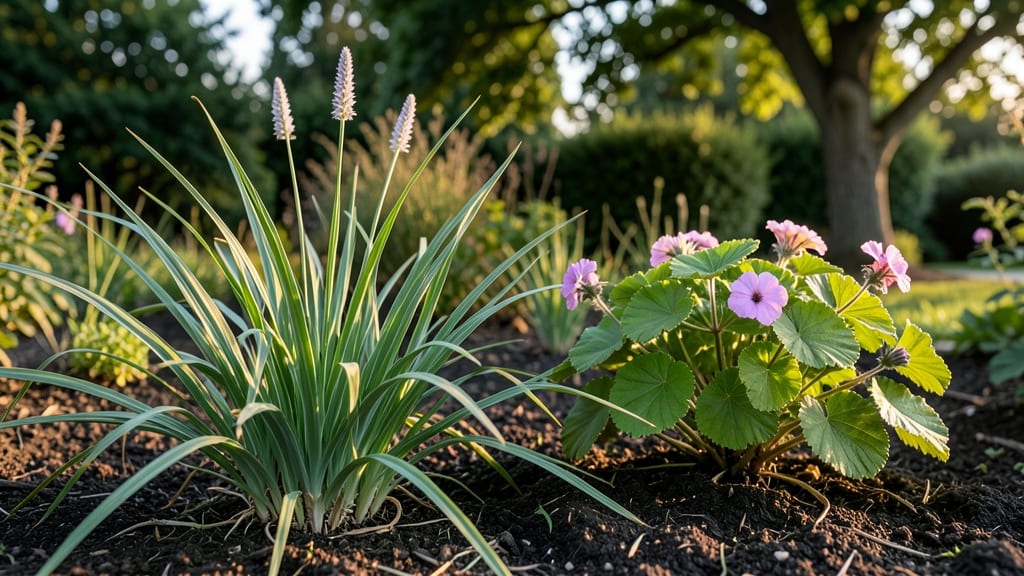
Whether citronella grows as an annual or perennial depends entirely on your climate—it thrives as a hardy perennial only in frost-free USDA zones 10-12, while colder regions treat it as a tender annual that must be replanted each spring.
Citronella's growth cycle hinges on temperature sensitivity—its roots and stems can't survive freezing, even light frost. 🌡️ In warmer zones, it establishes deep roots and returns reliably each year, while northern gardeners must start fresh annually unless they take protective measures.
The key difference lies in how quickly the plant regrows from its base after cold exposure; in colder climates, it simply won't recover. This botanical behavior explains why some gardeners swear by container overwintering or mulching techniques to extend its lifespan beyond one season.
For those in transitional zones (like 9 or 8), the plant may survive mild winters but often produces weaker growth the following year. The real test comes when temperatures drop below 30°F—that's when citronella's perennial potential disappears completely.
Understanding this threshold helps you decide whether to treat it as a seasonal plant or invest in winter care strategies.
💡 In This Article
- How Citronella Plant Hardiness Zones Affect Its Lifespan
- Extending Citronella’s Life in Cold Climates: Overwintering Tips
How citronella plant hardiness zones affect its lifespan
Citronella's perennial status depends on whether its root system can survive winter temperatures. In USDA zones 10-12, where frost never occurs, the plant establishes deep, fibrous roots that regenerate each spring—this is why it thrives as a perennial.
The key threshold is 30°F: when temperatures dip below this, the plant's cellular structure freezes, causing irreversible damage to its vascular system. 🌡️ In colder zones, even light frost (below 32°F) triggers cell rupture in the stems and leaves, but the real damage happens when the roots freeze solid.
The plant's native tropical origins mean it evolved without cold resistance mechanisms like anti-freeze proteins found in hardy perennials. Instead, citronella relies on rapid regrowth from its base—when temperatures warm above 60°F, it can sprout new shoots from surviving root fragments.
However, in colder climates, these roots rarely survive intact through winter, forcing gardeners to replant annually. The difference between annual and perennial behavior comes down to whether the root crown (the thickened base where stems emerge) remains viable after winter.
In frost-free zones, citronella's growth habit changes dramatically. It develops a more robust root system that can store nutrients for 2-3 years, allowing it to produce taller stems (often 3-5 feet) and stronger fragrance.
The plant's essential oil production peaks in its second year, which is why perennial specimens in warm climates are prized for their intense citronella scent. This contrasts sharply with annual plants, which focus energy on rapid above-ground growth during their single growing season. 🌿
Botanically, citronella belongs to the grass family (Poaceae) and shares cold sensitivity with other tropical grasses like lemongrass. However, its hardiness differs because citronella's stems are more brittle—unlike lemongrass, which can sometimes regrow from basal shoots after frost.
The plant's inability to form true woody tissue (like shrubs) limits its cold tolerance to just the root zone in ideal conditions. This is why gardeners in marginal zones (like USDA zone 9) often see citronella die back completely but sometimes resprout from protected root fragments.
Consider these key factors when evaluating your climate:
- Root depth: Perennial specimens develop roots 12-18 inches deep, while annuals rarely exceed 6 inches
- Winter minimum: Zones 10-12 average 40-50°F winters; below 30°F kills perennial potential
- Soil insulation: Sandy soils conduct cold faster than clay, accelerating root damage
The most critical takeaway is that citronella's perennial nature isn't guaranteed even in warm zones—prolonged drought or poor drainage can stress the roots enough to prevent regrowth.
This is why many gardeners in zone 10 still treat it as annual unless they provide consistent moisture and protection from extreme heat fluctuations. 💫