Container Gardens
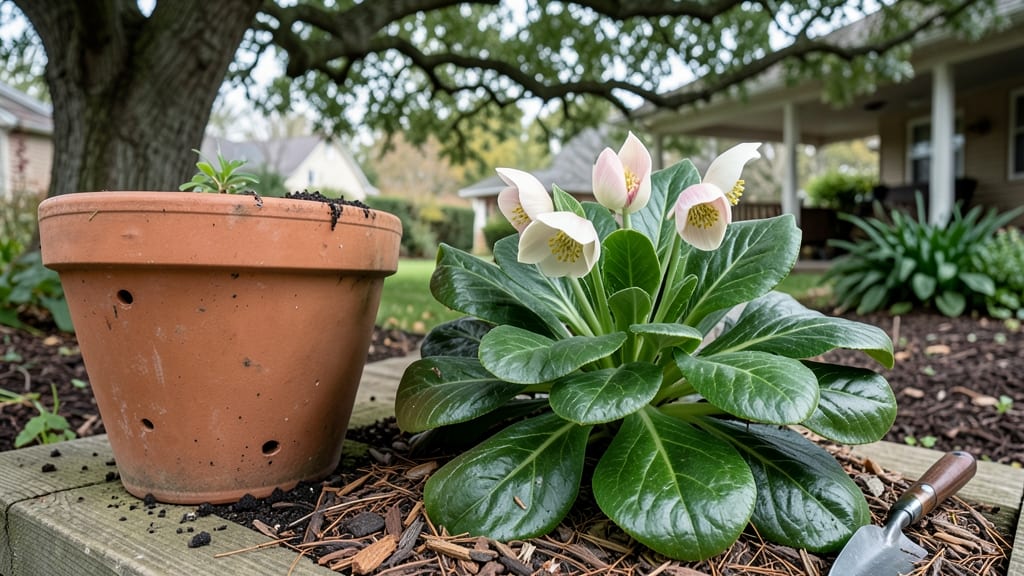
You can absolutely put perennials in pots, but focus on cold-resistant types like lavender, sedum, or heuchera that handle container life well. Use spacious containers with excellent drainage and frost-proof materials, then relocate them to sheltered areas or indoors during winter to maintain healthy growth year-round.
Container gardening with perennials works beautifully when you select varieties adapted to confined root spaces and seasonal temperature swings. 🌿 The key is choosing plants with compact growth habits—like ornamental grasses or dwarf coneflowers—that won't outgrow their pots in 2-3 years.
I've found that evergreen perennials like lamb's ear or creeping thyme are particularly rewarding because they maintain color even in winter, reducing the need for indoor relocation. For colder climates, prioritize pots with built-in insulation or wrap them in bubble wrap before moving to protected spots.
What often trips up beginners is underestimating the root space needed—most perennials require at least 12-inch-deep containers to establish strong root systems. 🌱 I recommend using a high-quality potting mix with perlite or sand to prevent compaction, which can lead to waterlogging and root rot.
During winter, even cold-hardy varieties benefit from a layer of mulch around the pot base to regulate soil temperature and retain moisture.
💡 In This Article
- Best Perennials for Container Gardening
- Container Selection and Winter Care Tips
Best perennials for container gardening
Certain perennials naturally adapt to container life because of their shallow root systems and tolerance for confined spaces. 🌿 Plants like lavender, with its fibrous root structure, thrive in pots because it spreads horizontally rather than deeply—ideal for containers that are wider than they are tall.
Sedum varieties, such as 'Autumn Joy,' also excel in pots because their succulent leaves store water efficiently, reducing the risk of overwatering in small containers. These plants typically require containers with a minimum diameter of 12-18 inches to accommodate their mature spread while maintaining stability.
The cold tolerance of these perennials is another critical factor.
Heuchera, or coral bells, for example, can withstand temperatures down to -20°F when planted in well-draining soil, making it a top choice for container gardening in colder regions. 🌱 Evergreen perennials like creeping thyme not only survive winter but also provide year-round visual interest, as their silvery foliage contrasts beautifully against snow.
For warmer climates, consider drought-resistant options like agave or yucca, which require minimal watering and can handle the heat trapped in black or dark-colored containers.
When selecting perennials for pots, focus on varieties that match your climate zone and sunlight exposure. 💛 For instance, lavender thrives in full sun and well-draining soil, while hostas prefer partial shade and more moisture-retentive mixes.
The key is to mimic the plant's natural growing conditions as closely as possible—whether that means using a sandy mix for coastal perennials or adding organic matter for woodland varieties.
Compact growth habits are essential, as they prevent the plant from outgrowing its container within a few seasons, which can lead to root-bound stress.
Another advantage of container perennials is their flexibility—you can easily relocate them to optimize sunlight or protect them from harsh weather. 🌟 For example, moving pots to a sheltered patio in late fall can extend the growing season by weeks.
This adaptability also allows you to experiment with seasonal displays, such as pairing spring-blooming bulbs with summer perennials in the same container. Just ensure the pot has adequate drainage holes to prevent waterlogging, which is a common issue in containers and can lead to root rot.
Consider the sensory experience when choosing perennials for pots.
Fragrant varieties like rosemary or catmint not only attract pollinators but also fill the air with their aromatic oils, enhancing your outdoor space. 🌿 Textural contrasts—such as pairing spiky ornamental grasses with soft lamb's ear—create visual interest that's especially noticeable in smaller containers.
The right combination can turn a simple pot into a focal point, proving that container gardening isn't just practical but also aesthetically rewarding.
For those in transition zones between hardiness regions, opt for perennials with a reputation for resilience, such as Russian sage or catnip.
These plants often handle temperature fluctuations better than their more delicate counterparts. 🌱 Always check the mature size of the plant to ensure it fits your container dimensions—overcrowding can lead to competition for nutrients and water, stunting growth.
With the right selection, your container perennials can thrive for years with minimal fuss.