
Orchid Care
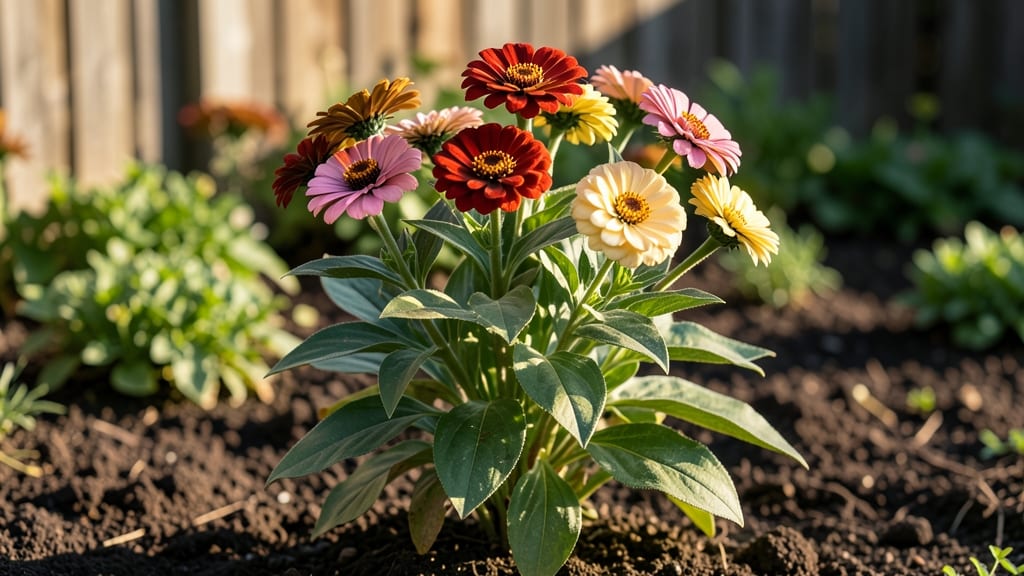
Zinnias act as annuals in most regions but function as perennials in frost-free zones, where their roots survive winter to regrow. Freezing temperatures typically destroy their delicate root systems, requiring replanting each spring in colder climates.
Whether zinnias thrive as annuals or perennials depends entirely on your local climate. 🌱 In areas with harsh winters—like USDA zones 3 through 7—they die back completely when temperatures drop below 28°F, forcing gardeners to replant each spring.
However, in warmer regions (zones 8-11), their hardy roots often persist through mild winters, allowing them to return year after year. This dual nature makes zinnias incredibly adaptable, but it also means your growing strategy should shift based on your location.
For gardeners in colder zones, the key is selecting cold-tolerant varieties like 'Profusion' or 'Zahara', which handle brief chills better than others. You can also extend their lifespan by growing them in containers and bringing them indoors during winter or using thick mulch to insulate the soil.
The science behind this is simple: freezing temperatures rupture zinnia cell walls, killing the root system that would otherwise regenerate.
💡 In This Article
- Why Zinnias Die Back in Cold Climates
- Extending Zinnia Lifespan in Cold Regions
Why zinnias die back in cold climates
Zinnias succumb to winter dieback because their root systems lack cold hardiness. When temperatures dip below 28°F, the delicate root cells rupture due to ice crystal formation within their structure—a process called cryoinjury.
This irreversible damage occurs because zinnia roots contain only 3-5% soluble sugars, which are insufficient to protect cell membranes from freezing. For comparison, cold-hardy perennials like coneflowers have 10-15% sugar content in their roots during winter.
The USDA hardiness zones play a critical role in zinnia survival. In zones 3-7, where winter lows often reach 0°F to -10°F, zinnias behave as annuals because their roots simply cannot withstand prolonged freezing.
Even a single night below 28°F can kill established plants, leaving gardeners to start fresh each spring. The root collar—the transition zone between stem and root—is particularly vulnerable, as it lacks the protective insulation of soil.
What makes this especially frustrating is how quickly zinnias establish themselves in spring. They germinate within 7-14 days when soil reaches 60°F, and their roots grow aggressively to 1-2 feet deep by summer. Yet this rapid growth comes at the cost of cold tolerance.
The root tips, which are responsible for water and nutrient uptake, freeze first because they contain the highest concentration of water—making them the weak link in zinnia's winter survival strategy.
Interestingly, the above-ground stems and foliage aren't the primary issue—they die back naturally in fall as temperatures drop. The real problem lies underground.
Zinnia roots contain minimal starch reserves (2-3% dry weight) compared to true perennials like daylilies (15-20% dry weight), leaving them without energy reserves to repair frost damage. This biological limitation explains why even mature zinnia plants collapse when winter arrives in colder climates.
One fascinating exception occurs in microclimates where soil temperatures remain above freezing. For example, in zone 8 gardens near heat-retaining structures, zinnias sometimes survive winter if protected by 3+ inches of mulch.
The mulch acts like a thermal blanket, maintaining soil temps around 32°F—just above the critical freezing threshold. This demonstrates how environmental factors can push zinnias toward perennial behavior, even in marginal zones.
For gardeners in transition zones (like zone 7b), the battle against winter dieback often comes down to timing. Planting zinnias 6-8 weeks before first frost allows them to establish sufficient root mass before cold arrives.
However, even well-established plants may still suffer if an early frost hits before roots reach adequate depth. This biological race against time is what makes zinnia growing such a climate-dependent endeavor.