
Vegetables
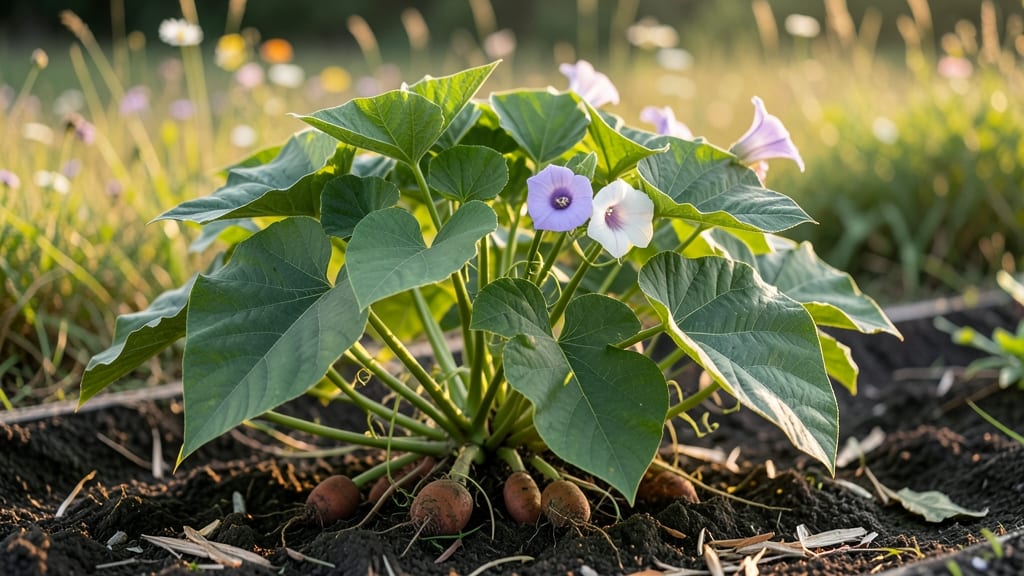
Sweet potatoes aren't true perennials—their foliage dies back each year, but their tubers can overwinter in frost-free zones, sprouting new growth when conditions warm again. This survival strategy depends on proper soil and climate conditions.
While they don't behave like classic perennials, sweet potatoes rely on their underground storage organs to persist through winter. 🌱 The key difference lies in their growth cycle: true perennials regrow from living roots, while sweet potatoes regenerate from stored energy in dormant tubers.
In regions with mild winters (USDA zones 9-11), you can often leave mature tubers in the ground and watch them resprout in spring—though this requires well-draining soil and consistent moisture. The trade-off?
Their regrowth isn't as vigorous as true perennials, which is why gardeners often treat them as annuals despite their survival instincts.
This survival mechanism explains why some gardeners report "volunteer" sweet potatoes appearing in subsequent years—what they're actually seeing is last year's tubers making a comeback. The catch? These returned plants often produce smaller yields since their energy reserves were partially depleted during overwintering.
For consistent harvests, most growers opt to replant fresh slips each season rather than relying on tuber regrowth.
💡 In This Article
- Why Sweet Potatoes Act Like Perennials in Some Climates
- How to Encourage Sweet Potato Regrowth Year After Year
Why sweet potatoes act like perennials in some climates
Sweet potatoes (Ipomoea batatas) aren't true perennials like asparagus or rhubarb, but their tubers can survive underground for years in the right conditions. The key lies in their storage organ—the tuber—where they store starches and sugars as energy reserves.
Unlike true perennials that regrow from living roots, sweet potatoes rely on these dormant tubers to restart growth when temperatures rise again. This survival strategy evolved in their native tropical regions where frost isn't a factor.
The critical factor for overwintering success is soil temperature. Tubers need to remain above 40°F to avoid chilling injury, which can cause rot or prevent sprouting. In frost-free zones (USDA 9-11), tubers left in well-draining soil with 3-4 inches of organic mulch can survive winters.
The mulch acts like insulation, maintaining soil temperatures above freezing while allowing moisture to penetrate. Without this protection, even a light frost can kill the tuber's meristem—the growth center where new sprouts emerge.
Moisture retention plays an equally vital role. Tubers left in dry soil risk dehydrating and shrinking, which weakens their ability to regenerate. The ideal overwintering scenario combines moist but not waterlogged soil with consistent temperatures.
In contrast, true perennials have specialized root systems that can regenerate even after severe cold, while sweet potatoes depend entirely on their stored energy reserves—making them more vulnerable to environmental fluctuations. 🌱
What most gardeners overlook is the energy trade-off during overwintering. Each year a tuber survives, it depletes some of its stored reserves, leading to smaller regrowth and reduced yields. This is why professional growers rarely rely on tuber regrowth—they prefer planting fresh slips (young shoots) each season for consistent production.
The sweet potato's "perennial-like" behavior is more about survival than productivity, which explains why it's classified botanically as a hemicryptophyte—a plant that survives adverse conditions through underground storage organs.
Consider this comparison: A true perennial like mint can regrow from the same root system year after year with minimal decline, while a sweet potato tuber might produce 30-50% smaller harvests after just two winters of regrowth.
The trade-off between survival and vigor is what makes sweet potatoes behave like perennials in some climates but perform better as annuals in most gardening scenarios. This biological compromise explains why you'll often see them treated differently in commercial vs home gardens.
For those attempting overwintering, the most critical window is late fall preparation. Planting tubers at 4-6 inches deep with a thick layer of straw mulch (6+ inches) creates the best chance for survival.
The mulch must remain intact through winter—removing it too early can expose tubers to temperature swings that trigger premature sprouting (which weakens the tuber) or frost damage. This delicate balance between protection and environmental exposure is what turns sweet potatoes into "perennial imposters" in suitable climates.