
Vegetables
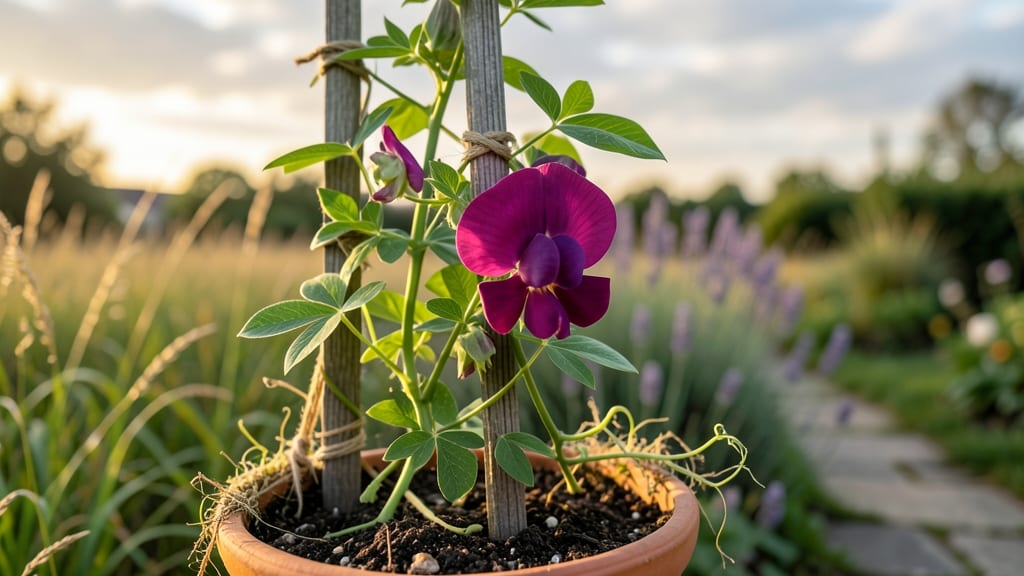
Sweet peas aren't perennial in most regions, completing their life cycle in a single growing season. However, in frost-free climates (USDA zones 7-10), they may persist through winter by self-seeding or regrowing from roots, especially with cold-tolerant varieties like 'Sugar Snap' or 'Dwarf Sugar Pea'.
Most gardeners treat sweet peas as annuals because they die back after flowering, but their behavior varies by climate.
In warmer winter areas, these vines can surprise you by returning the following spring, especially if they've established strong root systems. 🌱 The key difference lies in temperature tolerance—while they won't survive freezing winters in colder zones, proper mulching or row covers can extend their life in marginal climates.
This semi-perennial tendency makes them unique among cool-season vegetables.
What sets sweet peas apart from true perennials is their reliance on environmental conditions. Unlike plants that regrow reliably each year, sweet peas need consistent moisture and protection from harsh frosts to persist.
Their delicate nature means they won't naturalize like clover, but with the right care, you can enjoy multiple harvests from the same plantings over several seasons in suitable climates.
For gardeners in colder regions, the secret to extending sweet peas' lifespan lies in strategic planting and winter protection. Planting in late summer gives young plants time to establish roots before winter, while thick mulch layers can insulate roots during freeze-thaw cycles.
Some varieties even produce second flushes of blooms when conditions are right, making them more valuable than their annual classification suggests.
💡 In This Article
- Sweet Pea Lifespan: Annual vs Perennial Behavior Explained
- Extending Sweet Peas’ Season: Overwintering Tips for Cold Climates
Sweet pea lifespan: annual vs perennial behavior explained
The confusion about sweet peas stems from their biological classification as cool-season annuals, but their behavior in frost-free climates creates a semi-perennial effect. Unlike true perennials (such as asparagus or rhubarb), sweet peas complete their life cycle in one season, producing flowers, pods, and seeds before dying back.
However, in USDA zones 7-10 where winter temperatures rarely drop below 20°F, their roots can survive dormant through mild winters, ready to regrow when conditions improve. 🔥 This creates the illusion of perennial behavior when, in reality, it's more about root hardiness than true perennial genetics.
What makes this possible is sweet peas' ability to store energy in their taproots during dormancy. When temperatures stay above 30°F consistently, these roots maintain viability, allowing new shoots to emerge as early as late winter or early spring.
Cold-hardy varieties like 'Sugar Snap' (which tolerates down to 15°F with protection) or 'Dwarf Sugar Pea' have thicker root systems that store more carbohydrates, giving them a survival advantage. Compare this to clover or vetch—true perennials that regrow reliably each year regardless of winter severity.
The soil plays a crucial role in this survival mechanism. Well-draining, slightly acidic soil (pH 6.0-7.0) prevents root rot during winter moisture, while organic matter provides the energy reserves needed for regrowth.
In contrast, heavy clay soils can suffocate roots, while sandy soils may not retain enough moisture for spring revival. This is why gardeners in marginal climates (like USDA zone 6) often see inconsistent regrowth—just one hard freeze can kill exposed roots, even in supposedly cold-hardy varieties. ✨
Another key factor is the plant's growth habit. Sweet peas are fast-growing vines that mature in 60-90 days under ideal conditions. Their rapid life cycle means they prioritize reproduction over long-term survival, which is why they don't develop the robust underground structures seen in true perennials.
Instead, they rely on self-seeding to propagate, with each plant producing 50-100 seeds that can germinate in subsequent seasons if conditions permit.
For gardeners curious about extending sweet peas' lifespan, understanding this semi-perennial tendency is half the battle. While they won't naturalize like clover, their ability to regrow from roots in mild winters makes them more valuable than their annual classification suggests.
The secret lies in creating microclimates that mimic their native Mediterranean conditions—cool, moist springs and summers with protected winters. This approach transforms sweet peas from one-season wonders into multi-year contributors to your garden. 🌱
Consider this comparison: While sweet peas may not be true perennials, their behavior in frost-free zones blurs the line between annuals and perennials.
This makes them unique among cool-season vegetables, offering gardeners the best of both worlds—rapid growth and harvest potential combined with the possibility of returning the following year under the right conditions.
The key is matching varieties to your climate and providing the right winter protection to coax that second season of growth.