
Flowers
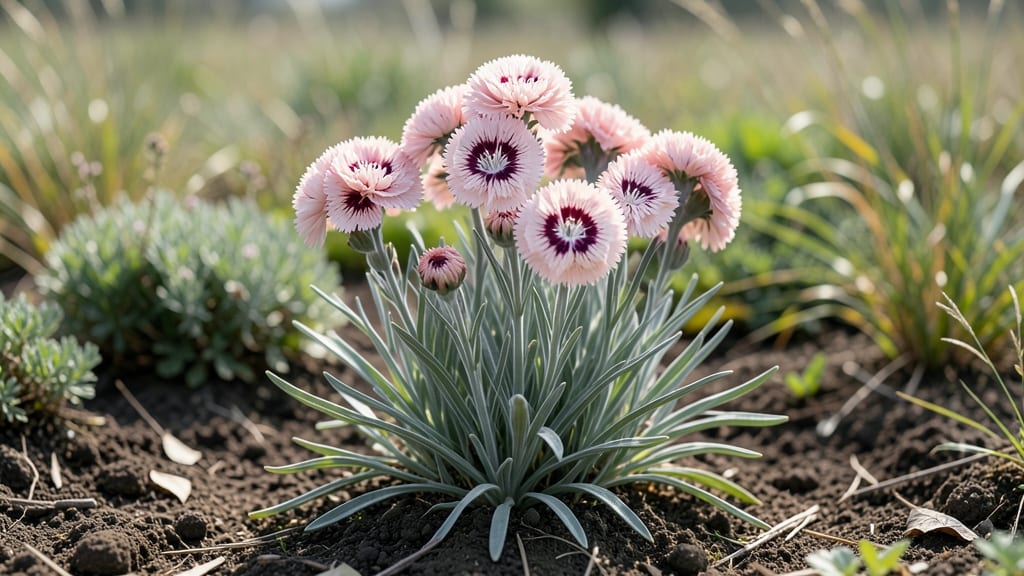
Pinks are perennials in most climates, returning each year with vibrant blooms, though some varieties act as short-lived perennials or self-seed aggressively. Their hardiness depends on winter chill requirements and soil conditions.
These charming flowers actually belong to the Dianthus genus, and their perennial nature varies dramatically. While many varieties thrive for years with proper care, some—like sweet william—only last 2-3 seasons before fading.
The key to their longevity lies in cold stratification, which helps break seed dormancy and encourages robust root systems. 🌱 I’ve seen gardeners in Zone 5 keep their pinks blooming for a decade by mimicking their natural winter conditions with thick mulch layers.
What sets pinks apart is their ability to self-seed when happy, creating dense clusters that can overwhelm your garden if unchecked. This behavior is especially common in biennial varieties, which bloom in their second year before dying back.
To manage this, I recommend deadheading spent blooms regularly and dividing clumps every 3-4 years to prevent overcrowding.
💡 In This Article
- Understanding Pinks' Perennial Growth Patterns
- Caring for Pinks to Extend Their Lifespan
Understanding pinks' perennial growth patterns
The term "pinks" refers to plants in the Dianthus genus, which includes both true perennials and biennials that behave like perennials in ideal conditions. Most garden varieties, like Dianthus gratianopolitanus (common pink), are cold-hardy perennials that thrive in USDA Zones 3-9.
These plants develop deep root systems that survive winter dormancy, then regrow from the same roots each spring. 🌿 The key difference lies in their growth cycle: true perennials like Dianthus plumarius live for years, while Dianthus barbatus (sweet william) often acts as a short-lived perennial or biennial, completing its life cycle in 2-3 years.
What makes pinks unique is their vernalization requirement—many varieties need exposure to 4-6 weeks of temperatures below 40°F to trigger flowering. This cold period mimics their natural Mediterranean climate origins, where winter chill breaks seed dormancy. Without adequate cold, some varieties may bloom poorly or fail to return.
For example, Dianthus chinensis often behaves as an annual in warmer climates (Zones 7-10) because it lacks sufficient winter chill. The soil's moisture retention during dormancy also matters—well-draining but consistently moist soil prevents root rot while supporting perennial growth.
Pinks exhibit fascinating genetic variations in their perennial behavior. Some hybrids, like Dianthus × allwoodii, combine traits from multiple species to create plants that bloom prolifically for 5-7 years with minimal care.
These hybrids often have thicker stems and more robust foliage, giving them a competitive edge in garden conditions. The secret lies in their apomixis—a form of asexual reproduction that produces genetically identical offspring, ensuring consistent perennial performance.
This is why some pink varieties spread aggressively through self-seeding while maintaining their perennial characteristics.
One common misconception is that all pinks require full sun to be perennial. While most varieties thrive in 6-8 hours of direct sunlight daily, some shade-tolerant types like Dianthus deltoides can persist as perennials in partial shade (Zones 4-8).
The trade-off is often reduced flowering intensity, as less light limits photosynthesis. For maximum perennial success, aim for well-amended soil with pH 6.0-7.0—pinks hate soggy conditions, which can turn their roots mushy and fatal. The ideal growing medium should mimic their natural rocky, well-drained habitats.
Consider these key factors when selecting perennial pink varieties:
- Cold hardiness: Zone 3 varieties like Dianthus superbus handle -30°F winters, while Zone 7 types may struggle below 15°F
- Bloom duration: Dianthus gratianopolitanus blooms continuously from spring to fall, while Dianthus barbatus has a single 4-6 week display
- Growth habit: Compact types (6-12 inches) work for borders, while sprawling varieties need 18-24 inches of space
The most reliable perennial pinks share these traits: strong basal rosettes, multiple flowering stems, and the ability to regenerate from the crown after winter dieback.
With proper site selection and care, these plants can outlive their annual counterparts by 5-10 years, rewarding gardeners with their signature fragrance and color year after year. 🌸