
Plants
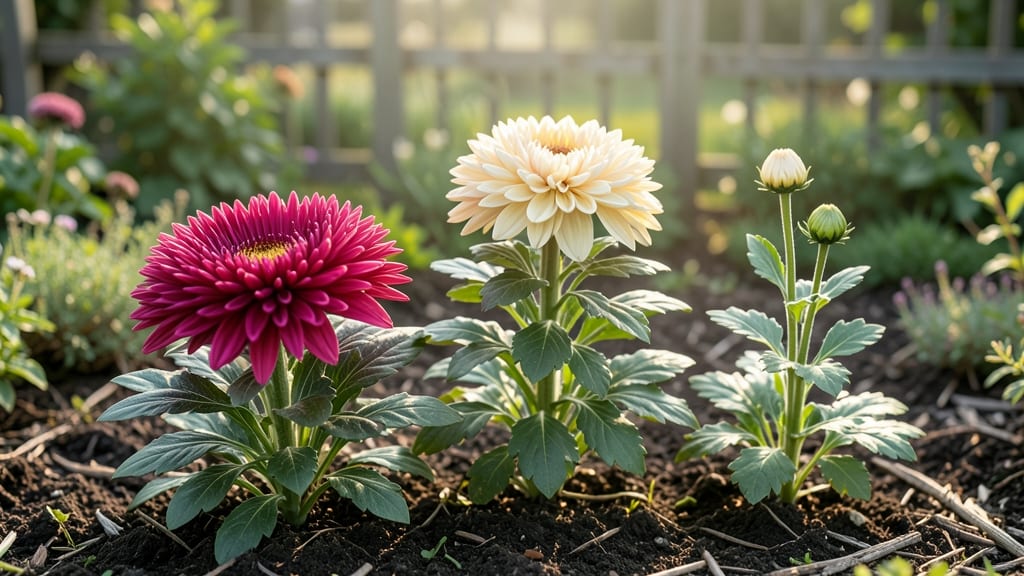
Mums are perennials in USDA Zones 7-11, where their fibrous roots survive winter dormancy. In colder climates, they act as annuals or need winter protection to regrow each spring. Proper soil and care extend their lifespan beyond one season.
Whether mums thrive as perennials depends entirely on where you live. 🌱 In warmer climates like Zones 7-11, their deep fibrous roots naturally hibernate underground, waking up each spring to bloom again.
But in colder regions, those same roots freeze without protection, forcing gardeners to treat them as annuals or take extra steps—like mulching or overwintering—to coax them back next year.
Here's the key difference: hardy mum varieties (like Chrysanthemum morifolium) have tougher root systems that can handle 20-30°F temperatures, while tender types struggle below 10°F.
I've seen gardeners in Zone 5 successfully overwinter mums by moving potted plants to unheated garages, while others in Zone 6 rely on thick straw mulch to insulate the soil. The right approach turns what seems like a seasonal plant into a long-term garden star.
💡 In This Article
- How Mum Plant Roots Determine Perennial Survival
- Climate-Specific Tips to Make Mums Last Year After Year
How mum plant roots determine perennial survival
Mums (Chrysanthemum spp.) develop a unique fibrous root system that spreads horizontally just below the soil surface, typically within the top 6-12 inches. This shallow but extensive network allows them to absorb moisture efficiently while storing carbohydrates in their roots during dormancy—a survival strategy called geophyte adaptation.
When temperatures drop below 40°F, these roots enter a state of dormancy, halting growth but maintaining cellular integrity through specialized proteins that protect cell membranes from freezing.
The magic happens in USDA Zones 7-11, where winter temperatures rarely fall below 10°F for extended periods. In these zones, mum roots naturally survive by entering a cold-hardy dormancy similar to how peonies or daylilies overwinter.
The key threshold is 15°F: hardy varieties like 'Bonne Esperance' can tolerate brief dips to -10°F with proper mulching, while tender types (common in nurseries) typically die back below 20°F without protection.
What most gardeners don't realize is that mum roots actually regenerate from the crown each spring—even if the above-ground stems freeze. The crown (where roots meet stems) contains meristematic cells that remain active until soil temperatures rise above 50°F.
This is why you'll often see mums pushing through mulch weeks before other perennials. In colder zones, the challenge isn't just surviving winter but ensuring the crown stays 2-3 inches below soil level where frost penetration is minimal.
Here's how the science breaks down: mum roots produce antifreeze proteins during dormancy that lower their freezing point by 2-5°F, similar to how some fish survive Arctic winters.
However, prolonged exposure to below 10°F damages these proteins, which is why Zone 6 gardeners need to add 4-6 inches of mulch (straw or shredded leaves work best) to create an insulating blanket that maintains soil temps above 20°F.
The root system's depth matters too. Shallow roots (6 inches deep) are more vulnerable to freeze-thaw cycles than deeper roots (12+ inches), which is why container-grown mums often survive better in cold climates—their roots stay compact and insulated.
When planting, aim for 3-4 inches of soil coverage over the crown to maximize protection. 🌱
One common misconception is that all mums are equally hardy. In reality, there's a 30°F difference in cold tolerance between garden varieties and commercial cut-flower types. For example, 'Mum's the Word' series can handle -15°F with mulch, while 'Dazzler' series may need overwintering in Zone 5.
Always check the plant tag for cold ratings—it's the best predictor of perennial success.