
Plants
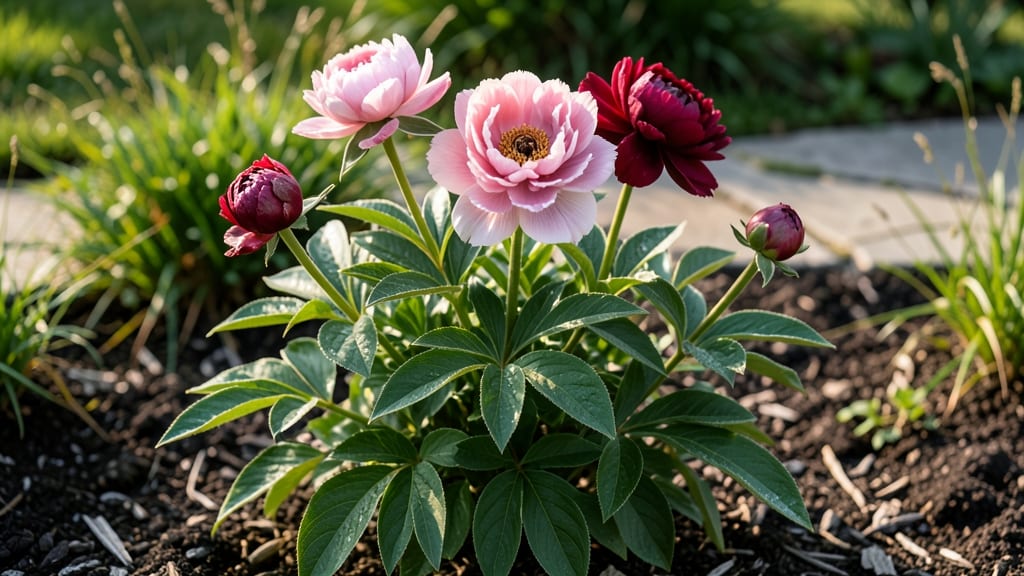
Mom’s perennials aren’t dead in winter—they enter a survival mode where their above-ground growth shrivels to protect energy reserves, while roots remain active underground. This built-in dormancy cycle is their way of conserving strength until spring’s warmth signals new growth.
This winter behavior isn’t failure—it’s nature’s clever strategy. 🌱 Perennials like hostas and daylilies store nutrients in their roots during dormancy, which is why they bounce back so reliably each spring.
The key difference from annuals is that perennials have persistent root systems, while annuals die completely after their first growing season. Think of it like hibernation: the plant isn’t dead, just resting efficiently until conditions improve.
The most important care step during dormancy is proper mulching—adding 2-3 inches of organic material around the base helps insulate roots from extreme cold. I always wait until late winter to cut back dead foliage, as it actually provides some winter protection.
The first signs of life usually appear as tiny green shoots or buds in early spring, proving the roots were never truly dormant.
💡 In This Article
- Why Mom’s Perennials Appear Dead in Winter
- How to Care for Dormant Perennials Over Winter
Why mom’s perennials appear dead in winter
Perennials enter dormancy when temperatures drop below 40°F—their leaves and stems wither to minimize water loss and prevent frost damage. This process is triggered by shorter daylight hours and cooler soil temperatures, which signal the plant to redirect energy from growth to survival.
Unlike annuals that complete their life cycle in one season, perennials have evolved to store nutrients in their roots and rhizomes, creating a built-in food reserve for spring.
The foliage dieback you see is actually a protective mechanism. Dead leaves insulate the crown (where stems meet roots) from extreme cold, similar to how a blanket traps warmth. Some perennials, like peonies, even develop a waxy coating on their buds to prevent moisture loss.
This dormancy can last months, with roots maintaining just enough metabolic activity to stay alive—often consuming stored starches at a rate of about 0.1-0.3 grams per day depending on the species.
What makes this fascinating is how perennials "remember" their growing conditions. The root systems of plants like hostas and coneflowers store information about their ideal growing environment—including sunlight exposure and soil type—allowing them to resume growth precisely where they left off.
This is why perennials often return in the exact same spot year after year, unlike annuals that must be replanted.
You can test this survival strategy yourself: Gently dig around a dormant perennial in late winter (when soil is workable) and you’ll often find plump, white roots filled with stored nutrients.
These roots can contain up to 30-50% starch content during dormancy, which is why some gardeners harvest and store perennial roots like Jerusalem artichokes for winter eating!
The key difference from annuals becomes clear when you compare their life cycles. Annuals complete their entire growth, flowering, and seed production in one season, then die completely.
Perennials, however, allocate resources differently—prioritizing root development over above-ground growth during their first year, then gradually building reserves that allow them to "skip" the seed production step entirely in subsequent years.
This biological efficiency explains why perennials dominate garden landscapes. They’ve evolved to thrive with minimal annual intervention, making them the low-maintenance workhorses of any garden. The trade-off is their slower initial establishment, but once established, their ability to persist through winter makes them incredibly resilient.