
Plants
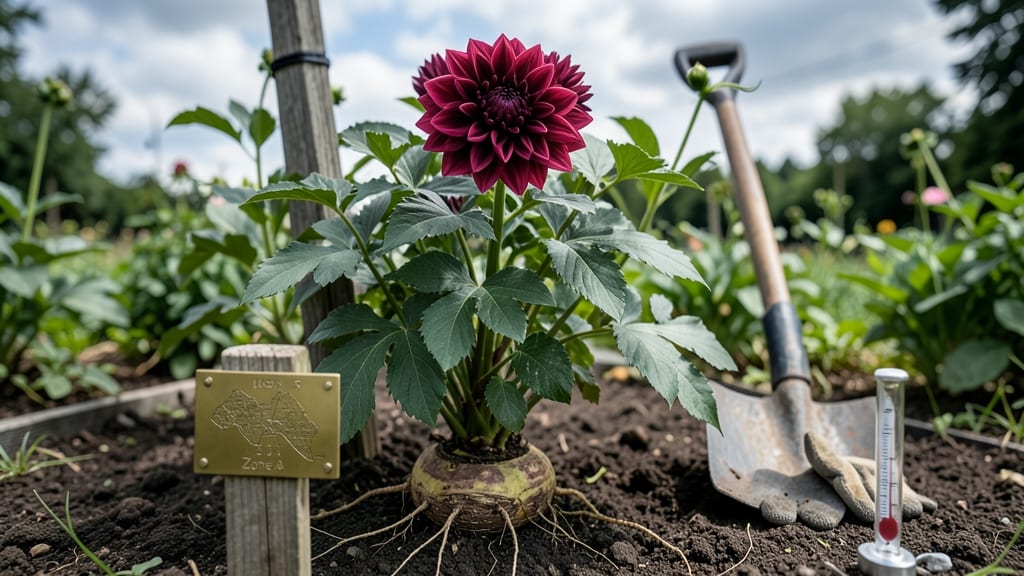
Dahlias aren't true perennials in Zone 5 because their tuberous roots won't survive winter frost below 20°F without protection. While they can regrow each year with proper storage and care, their cold sensitivity makes them behave more like tender perennials.
In Zone 5's colder winters, dahlia tubers—those thick, fleshy roots—simply can't withstand prolonged freezing. 🌱 Unlike hardy perennials like peonies or coneflowers, which have deep, insulated root systems, dahlia tubers are vulnerable to frost damage above 20°F.
The key to keeping them alive through winter lies in digging them up before the first hard freeze and storing them in a cool, dry place until spring.
Many gardeners treat them like annuals, replanting fresh tubers each season, though with the right storage conditions, they can reliably return year after year.
What's interesting is that some gardeners in Zone 5's milder microclimates (like sheltered south-facing beds) report success with mulching—piling thick layers of straw or leaves over the roots to insulate them. However, this method requires precise timing and isn't foolproof for the harshest winters.
For most Zone 5 gardeners, the safest approach is still digging and storing, which mimics how dahlia growers in colder climates have protected their plants for generations.
💡 In This Article
- Why Dahlias Die Back in Zone 5 Winters
- Zone 5 Dahlia Survival Strategies
Why dahlias die back in Zone 5 winters
The key difference between dahlias and true perennials lies in their root structure. Dahlias store energy in thick, fleshy tubers that contain high moisture content—around 75-80%—making them highly sensitive to freezing.
When temperatures drop below 20°F, these tubers begin to dehydrate and develop ice crystals within their cells, rupturing delicate tissue. Unlike hardy perennials like peonies, which have deep, woody root systems insulated by soil and organic matter, dahlia tubers lack this natural protection.
Zone 5 winters often see prolonged periods below 20°F, creating ideal conditions for tuber decay. The process begins when frost penetrates the soil, causing the tuber's outer skin to harden and crack. This exposes the inner tissue to cold air, accelerating moisture loss and microbial activity.
Studies show that tubers left in frozen ground for just 48 hours can lose up to 30% of their viability, while exposure to -5°F for a week can kill them entirely. 🌱 The contrast with true perennials is stark: peonies, for example, can survive -30°F because their roots contain antifreeze proteins that prevent ice crystal formation.
Another critical factor is the timing of dormancy. Dahlias enter dormancy in late fall, but their tubers remain metabolically active until soil temperatures drop below 40°F. This means they're vulnerable during early winter freezes, which often occur before gardeners can take protective action.
The tuber's natural defense mechanism—thickening its skin—isn't enough to withstand Zone 5's harsh winters, where ground temperatures can fluctuate dramatically between day and night.
Visual clues can help gardeners identify failing tubers. Healthy tubers have a firm, papery skin that feels slightly leathery to the touch, while frozen tubers develop a glassy, translucent appearance and may ooze a watery sap when cut.
The texture becomes mushy within days of thawing, signaling irreversible damage. This is why many Zone 5 gardeners treat dahlias like annuals, replanting fresh tubers each spring rather than risking overwintering failures.
Comparing dahlias to other garden perennials reveals their unique vulnerability. While hostas and daylilies can regenerate from small root fragments, dahlia tubers require nearly 90% of their original mass to reliably regrow.
This high threshold makes them particularly sensitive to winter stress, explaining why they're classified as "tender perennials" in colder climates. Understanding this biology helps gardeners make informed decisions about whether to attempt overwintering or accept their annual nature in Zone 5.
The science behind this sensitivity lies in the tuber's cellular structure. Unlike woody roots that contain lignin for structural support, dahlia tubers are primarily composed of parenchyma cells filled with starch and water.
These cells lack the protective compounds found in true perennials, making them susceptible to freeze-thaw cycles that cause cellular rupture. 💫 This fundamental difference explains why dahlias require human intervention to survive Zone 5 winters, while other perennials thrive with minimal care.