
Plants
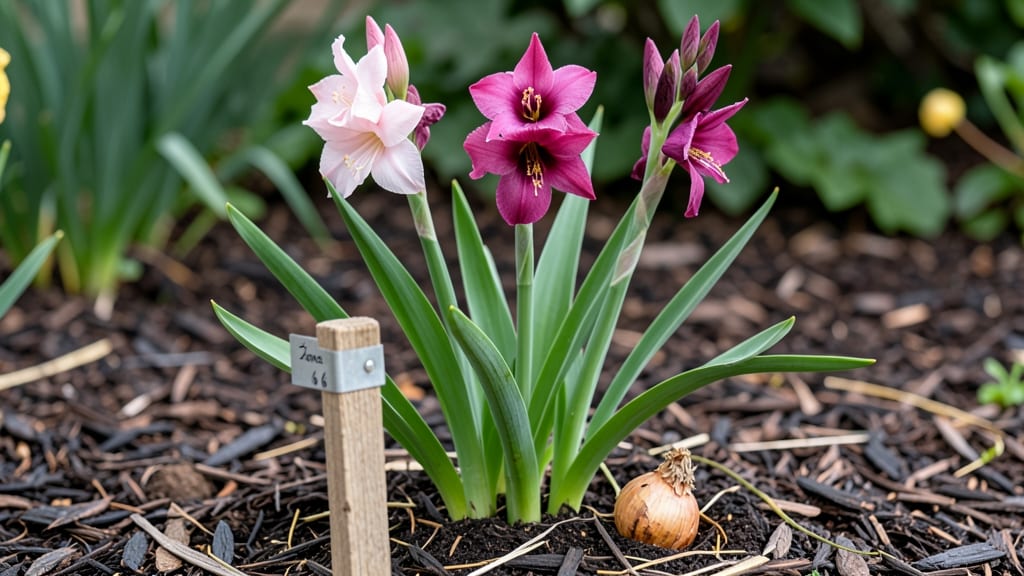
Gladiolus aren't true perennials in Zone 6—their above-ground growth dies back each winter, but their corms (thick underground storage stems) can survive if planted at least 6 inches deep and protected with heavy mulch. They'll return in spring but often need annual replanting to maintain strong blooms.
Gladiolus behave like seasonal perennials in Zone 6—their foliage freezes out, but the corms enter dormancy and store energy for next year's growth. The key is proper winter protection: mulching with 6+ inches of straw or leaves keeps soil temperatures stable and prevents corm damage from freezing.
Without this care, many gardeners find their glads fade over time, which is why I recommend digging and dividing corms every 2-3 years to refresh their vigor. 🌱
What sets gladiolus apart is their cold-hardiness threshold—they can tolerate brief dips to 20°F if dry, but prolonged cold or wet soil triggers rot. In my experience, the deep planting rule (6+ inches) is non-negotiable: shallower corms risk exposure to freeze-thaw cycles that crack their protective layers.
For maximum survival, I pair deep planting with a second mulch layer in late fall after the ground freezes.
💡 In This Article
- Why Gladiolus Corms Survive Zone 6 Winters
- Zone 6 Gladiolus Planting and Care for Year-Round Success
Why gladiolus corms survive Zone 6 winters
Gladiolus corms are biological marvels designed to endure harsh winters through a clever energy storage system. Unlike true perennials that keep foliage year-round, gladiolus store all their energy in these thick, fleshy underground stems—think of them as nature's version of a high-capacity battery.
The corm's outer layers contain protective starch reserves that fuel regrowth when spring arrives, while the inner core remains dormant. This system allows them to survive Zone 6 winters (average 0-10°F) when planted correctly, though they won't tolerate prolonged exposure to -10°F or wet soil conditions.
The survival mechanism hinges on two critical factors: soil temperature and moisture control. Corms enter dormancy when soil temperatures drop below 50°F, triggering metabolic slowdowns that preserve their energy reserves.
However, the real challenge is preventing freeze-thaw cycles—when water expands as it freezes, it creates microscopic cracks in corm tissue. This is why 6+ inch planting depth is essential: it keeps corms below the frost line where temperatures remain more stable.
Mulching with 6-8 inches of straw or leaves further insulates the soil, maintaining temperatures 5-10°F warmer than ambient air—enough to prevent lethal freezing.
What most gardeners overlook is how mulch works as a two-phase protection system. First, it acts as insulation during winter, preventing rapid temperature swings. Then, in early spring, it slowly releases moisture as it decomposes, giving corms a head start on hydration before active growth begins.
Without this protection, corms risk desiccation from winter winds or rot from spring thaw. I've seen corms planted at 4 inches deep wither completely after just one harsh winter, while those at 8 inches with proper mulch return stronger each year.
The corm's survival strategy also explains why gladiolus foliage dies back completely—it's a calculated energy conservation tactic. By shedding above-ground growth, the plant redirects all resources to maintaining the corm's protective layers and core reserves.
This dormancy period is crucial: studies show corms lose 30-50% of their starch reserves during winter if not properly protected.
The trade-off is that this energy conservation means gladiolus won't bloom as vigorously in their first year after dormancy, which is why many gardeners opt for annual replanting of fresh corms.
Here's what happens at the cellular level: as temperatures drop, corms produce antifreeze proteins similar to those in cold-hardy plants like winter wheat. These proteins bind to ice crystals, preventing them from growing large enough to damage cell walls.
However, this natural protection only works within limits—prolonged exposure to -5°F or wet conditions overwhelms these defenses. That's why I recommend adding a second mulch layer in late November, after the first frost, to create an extra insulating barrier.
One common misconception is that all gladiolus varieties survive equally in Zone 6. In reality, hybrid varieties bred for cold tolerance (like 'Sarah' or 'White Friendship') outperform older cultivars. These hybrids have thicker corm layers and more efficient starch storage systems.
For maximum reliability, I suggest choosing USDA Zone 5-6 rated varieties and supplementing with commercial corm food at planting time to boost their energy reserves before winter.