
Plants
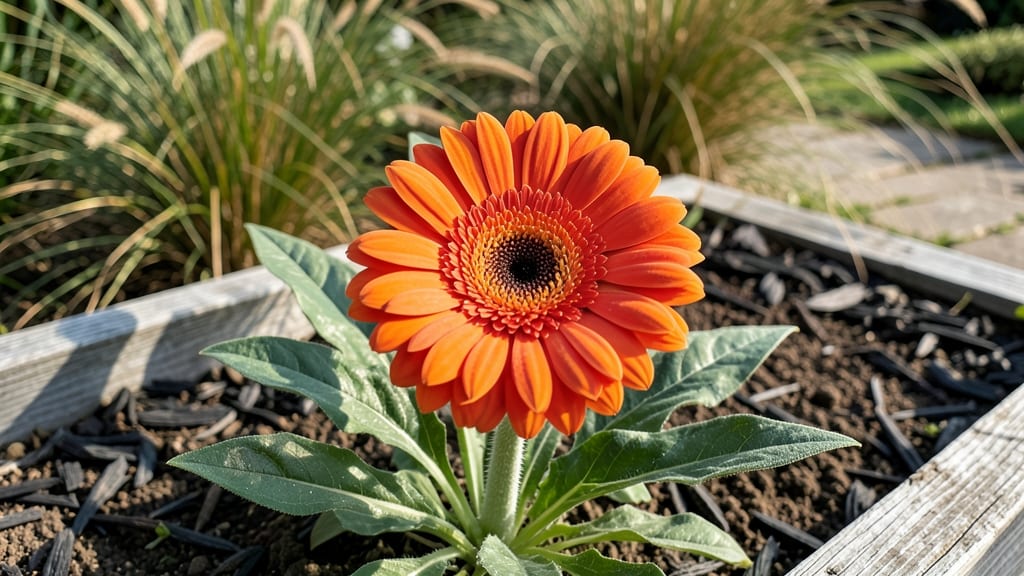
Gerbera daisies are not true perennial plants in most climates, though they behave as tender perennials in frost-free zones (USDA 10-12). In colder regions, they die back annually but can be regrown from tubers or seeds if protected properly.
Gerbera daisies are often mistaken for hardy perennials because they can regrow from underground tubers each season—but their survival depends entirely on temperature. 🌱 In colder zones (USDA 7 or below), freezing temperatures destroy their delicate foliage and roots, forcing them to restart from dormant tubers.
Unlike true perennials, gerberas can't withstand repeated freeze-thaw cycles without protection.
This explains why gardeners in chillier climates treat them as annuals or seasonal perennials. With proper winter care—like digging up tubers or using heavy mulch—they can technically return year after year, but their lifespan isn't guaranteed without intervention.
The key difference lies in their native habitat: gerberas thrive in South Africa's mild winters, not North America's harsh ones.
💡 In This Article
- Why Gerbera Daisies Die in Cold Climates
- How to Overwinter Gerbera Daisies in Cold Zones
Why gerbera daisies die in cold climates
Gerbera daisies originate from South Africa's frost-free regions, where temperatures rarely drop below 40°F. Their cells lack the antifreeze proteins found in true perennials like coneflowers, which allow those plants to survive -20°F winters.
When gerberas encounter freezing temps, ice crystals form in their cell walls, rupturing membranes and killing the plant tissue. This cellular damage is irreversible—even if the ground thaws, the roots and stems can't regenerate without intervention.
Their survival strategy relies on dormant tubers, which store energy but require consistent warmth (60-70°F soil temps) to break dormancy. In USDA zones 7 and below, winter soil temps often drop to 20-30°F, far below the 45°F minimum needed for tuber regrowth.
True perennials like black-eyed Susans, meanwhile, develop deep root systems that insulate their crowns, while gerberas have shallow roots that freeze solid in winter.
This frost sensitivity explains why gerberas behave like annuals in cold climates. Without protection, their foliage turns black and crispy within 24-48 hours of 28°F temps, while their tubers may survive but won't sprout until spring.
The contrast with hardy perennials is stark: coneflowers might lose leaves but regrow from their protected crowns, whereas gerberas need human assistance to persist beyond one season.
Even in USDA zone 8, where winters are milder, gerberas face 50% mortality risk without mulch. Their native adaptation to Mediterranean climates means they've never evolved to handle North American winters. The 10-12°F cold tolerance of their tubers is vastly outmatched by true perennials that survive -30°F or lower.
What most gardeners miss is that gerberas don't just "go dormant"—they require active protection to survive winter. Their growth cycle is tied to warm seasons, making them more like seasonal perennials than true perennials.
This biological limitation explains why they're often sold as annuals in northern nurseries, despite their tuber-based regrowth potential.