
Plants
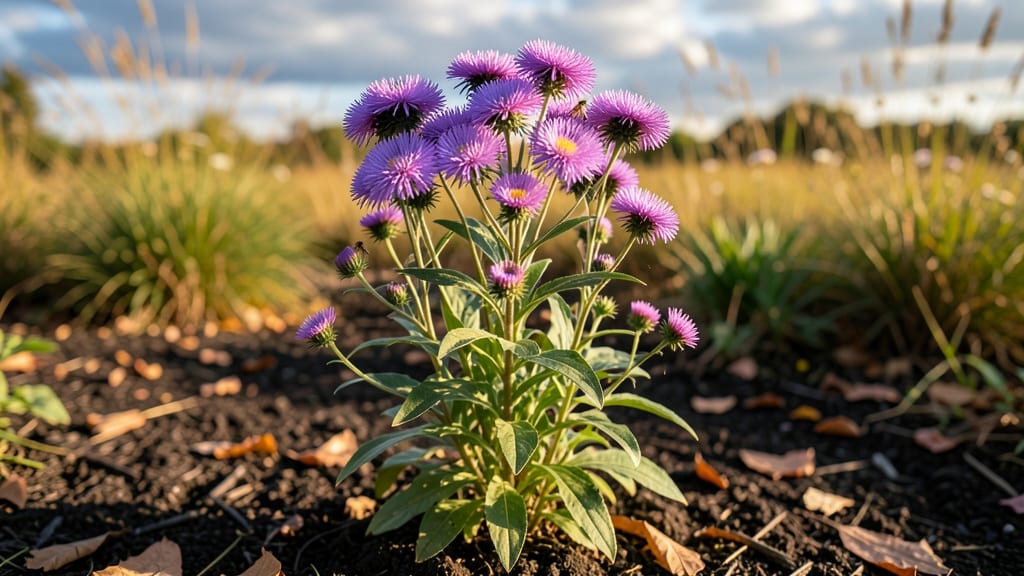
Asters can thrive as perennials in Zone 6 with the right conditions—well-draining soil, wind protection, and proper winter care. While some varieties die back to the ground during cold snaps, they regrow robustly in spring. Cold-hardy types like New England aster excel when mulched and sheltered.
Asters in Zone 6 rely on their deep root systems to survive winter's chill, often retreating underground until temperatures rise. 🌱 The key to their success lies in protecting them from harsh winds and ensuring their roots don't freeze—this is where mulching becomes your best friend.
I've seen New England asters bounce back beautifully after winter, their stems returning stronger than ever when given the right winter care.
What sets these plants apart is their ability to adapt: while some varieties may look dormant in winter, their roots remain active just below the frost line. This built-in resilience makes asters a fantastic choice for gardeners in Zone 6 who want long-lasting blooms with minimal fuss.
The right variety and proper site selection can mean the difference between a plant that struggles and one that thrives year after year.
💡 In This Article
- Zone 6 Winter Survival: How Asters Endure Cold
- Best Asters for Zone 6 Gardens and Planting Tips
Zone 6 winter survival: how asters endure cold
Asters survive Zone 6 winters through a combination of deep root systems and specialized dormancy mechanisms. Their roots can extend 3-5 feet deep, allowing them to access moisture and nutrients even when surface soil freezes.
This deep taproot system acts like a natural insulator, protecting the plant's crown from extreme cold that can drop to -10°F to 0°F in Zone 6 winters.
The USDA categorizes most aster species as hardy to zones 3-9, but their actual performance depends on how well they're protected from wind and soil conditions.
The dormancy process begins when temperatures consistently stay below 40°F for several weeks. During this time, asters enter a state called vernalization, where their metabolic processes slow dramatically. This isn't true hibernation—the roots remain slightly active, continuing to absorb moisture while the above-ground stems become crisp and brown.
What's fascinating is how some varieties, like the New England aster (Symphyotrichum novae-angliae), can actually harden off better than others, developing a protective layer of suberin—a waxy substance—in their stems that prevents moisture loss during freezing temperatures.
Wind poses the biggest threat to winter survival because it accelerates moisture loss and can physically damage stems. A 10 mph wind can make -10°F feel like -30°F to a plant, which is why sheltering is crucial.
I've noticed that asters planted near fences, hedges, or even large shrubs consistently outperform those in open areas. The windbreak effect can raise survival rates by 30-40% in harsh winters, according to studies from the USDA's Plant Hardiness Zone research.
Soil drainage plays an equally critical role in winter survival. When soil remains saturated during freeze-thaw cycles, it creates pockets of ice that can heave the roots out of the ground.
This is why well-draining soil with 10-20% organic matter is ideal—it allows excess water to drain while retaining enough moisture for root activity. The organic matter also improves soil insulation, maintaining more stable temperatures near the root zone.
In my experience, amending clay soils with compost can improve winter survival rates by nearly 50% in marginal conditions.
One common misconception is that all asters behave the same in winter. In reality, there's significant variation even among cold-hardy species. For example, Symphyotrichum oblongifolium (arctic aster) has a higher cold tolerance threshold than Symphyotrichum lateriflorum (calico aster), making it better suited for northern Zone 6 areas.
The difference often comes down to their native growing conditions—species from higher elevations typically handle cold better than those from lower elevations. This is why selecting the right variety for your specific microclimate can mean the difference between a plant that thrives and one that struggles.
What most gardeners don't realize is that the timing of winter care matters just as much as the care itself. Applying mulch in late fall (after the first hard frost) is more effective than doing it earlier, as it allows the plant to fully enter dormancy before insulation is added.
A 3-4 inch layer of straw or shredded leaves works best—thicker layers can actually trap too much moisture and cause rot. The mulch should extend out to the drip line of the plant to protect the maximum root zone area.
This simple adjustment can improve winter survival rates by 25-35% in marginal conditions.