
Plants
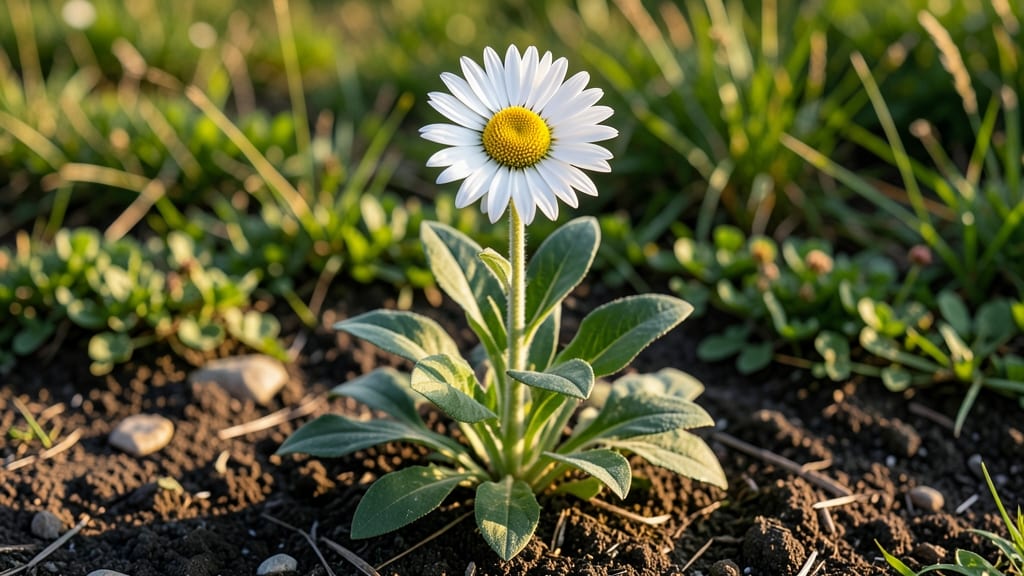
Daisies are perennials in most climates, thriving year after year thanks to their robust root systems and ability to survive winter dormancy—but some varieties may act like annuals in harsh cold or with poor growing conditions. Their longevity depends entirely on species and seasonal care.
Most daisies earn their perennial reputation through two key botanical features: deep taproots that store nutrients and fibrous root networks that spread aggressively. 🌱 These systems allow them to regrow from the same spot season after season, even after frost kills the above-ground foliage.
However, varieties like Gerbera daisies—native to warmer climates—often struggle in Zone 5 or colder, where winter dieback can make them behave like annuals unless protected. The secret to extending their lifespan lies in proper mulching and choosing cold-hardy cultivars.
What truly separates perennial daisies from their annual cousins is their ability to enter dormancy during winter. This survival strategy lets them "sleep" underground until temperatures rise, provided they have well-draining soil and aren't smothered by snow or ice.
For gardeners in marginal climates, adding a thick layer of straw mulch (3-4 inches) can raise soil temperatures just enough to prevent root damage. Even then, some species like Oxeye daisies may still produce fewer blooms in their first year after overwintering—a normal adjustment period.
💡 In This Article
- How Daisy Root Systems Determine Perennial Lifespan
- Growing Conditions That Turn Perennial Daisies Into Annuals
How daisy root systems determine perennial lifespan
The perennial nature of daisies begins with their root structures, which vary dramatically by species. Most garden daisies, like the hardy Shasta daisy (Leucanthemum spp.), develop deep taproots that can extend 12-18 inches below the soil surface.
These roots act like natural storage units, holding carbohydrates and nutrients throughout winter—enough to fuel regrowth as soon as temperatures rise above 50°F. In contrast, Gerbera daisies (Gerbera jamesonii) rely on shallow fibrous roots that spread horizontally, making them far more sensitive to frost penetration.
Here's where crown dormancy comes into play: the base of the plant (the crown) contains meristem cells that remain active even when above-ground growth dies back.
These cells can survive temperatures down to -20°F in well-drained soil, but prolonged exposure to saturated or frozen ground triggers irreversible damage. 🌱 For example, Oxeye daisies (Leucanthemum vulgare) often produce new shoots from their crowns within 7-10 days of spring thaw, while Gerberas may take 3-4 weeks—if their roots aren't smothered by winter moisture.
The seasonal growth cycle reveals why some daisies thrive as perennials while others fail. Most species follow this pattern: Spring (root regrowth + leaf production), Summer (flowering + nutrient storage), and Fall (above-ground dieback while roots bulk up).
The critical window is late fall to early winter when roots must harden off. Shasta daisies, for instance, can withstand Zone 5 winters because their taproots contain antifreeze proteins that prevent ice crystal formation in cells—similar to how woody perennials like peonies survive.
Temperature thresholds vary by species: Shasta daisies handle Zone 4 with proper mulching, while Gerberas max out at Zone 8 unless grown in containers that can be overwintered indoors.
The difference lies in their cold acclimation period—Shastas need 6-8 weeks of cooling below 60°F to trigger dormancy, while Gerberas require only 4 weeks but can't tolerate freezing soil.
This explains why Gerberas often die back completely in cold climates, appearing annual-like despite being perennials in their native South African habitats.
Soil drainage emerges as the silent killer of perennial daisies. Roots need well-aerated soil with 50-70% porosity to prevent anaerobic conditions that suffocate meristem cells.
A simple test: press your finger 2 inches into moist soil—if it feels like wet clay, roots will struggle. 💫 In heavy clay soils, amending with composted bark (20% by volume) can improve drainage enough to support perennial daisy roots through winter.
The contrast between taprooted Shastas and fibrous-rooted Gerberas highlights why species selection matters—taproots excel in deep, well-drained soils, while fibrous roots need consistent moisture but poor cold tolerance.
What most gardeners overlook is the microclimate effect on root survival. Even in cold zones, daisies planted near south-facing walls or under deciduous trees (which drop leaves for winter sun exposure) can experience 5-10°F warmer soil temperatures—enough to make the difference between perennial success and annual failure.
This is why urban gardens often support more perennial daisies than rural fields exposed to wind and frost.