
Vegetables
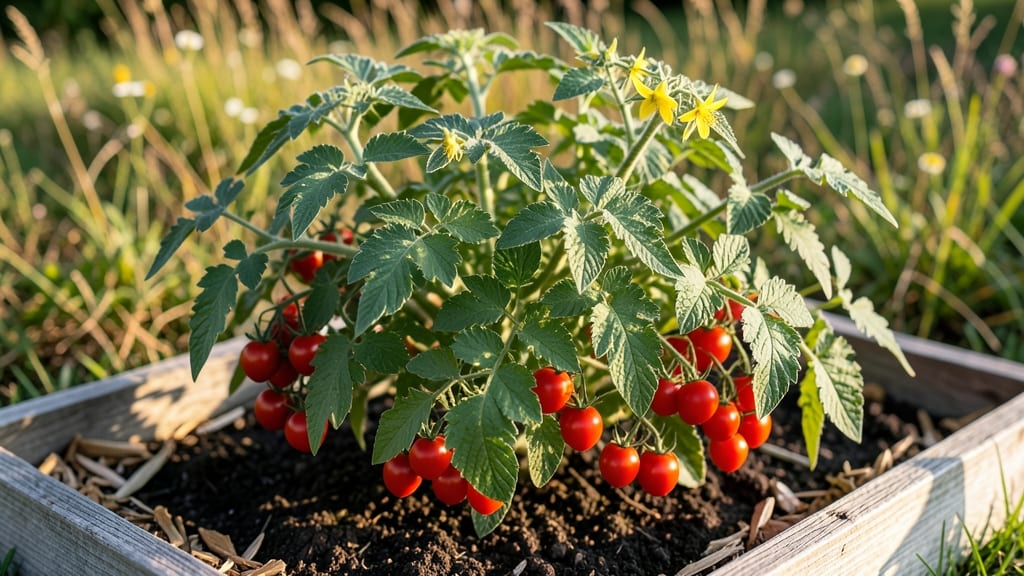
Cherry tomatoes are not perennials—they die back after producing fruit in one growing season, typically lasting 60-90 days before frost kills them. Their woody stems may regrow in warm climates, but most gardeners replant annually for consistent harvests.
Unlike true perennials that return year after year, cherry tomatoes prioritize fruit production over regrowth. 🌱 Once they finish their 60-90 day cycle, energy shifts from leaves to fruit, leaving stems vulnerable to frost.
In USDA zones 8-10, you might see woody stems survive winter, but they rarely produce meaningful yields without replanting. The key difference? Perennials like asparagus store energy underground, while tomatoes invest everything in their current harvest.
This annual cycle explains why gardeners often plant new seeds each spring—it's not laziness, but biology. The trade-off? Tomatoes channel all their resources into rapid growth and fruit production, which is why they're so productive in a single season compared to slower-growing perennials.
Understanding this helps explain why your tomato plants might look "dead" after harvest, even though the roots could still be alive beneath the soil.
💡 In This Article
- Why Cherry Tomatoes Die Back: Biology of Annual vs Perennial Growth
- Year-Round Cherry Tomato Strategies: Extending Harvests Beyond One Season
Why cherry tomatoes die back: biology of annual vs perennial growth
Cherry tomatoes follow an annual growth cycle because their biology prioritizes fruit production over long-term survival. Unlike perennials like strawberries or asparagus, which allocate energy to underground roots and crowns, tomatoes direct nearly all their resources into rapid above-ground growth and fruit development during their 60-90 day lifespan.
This is especially true for determinate varieties, which produce fruit in a concentrated burst before dying back, while indeterminate types may continue growing but still lack the energy reserves for perennial regrowth.
The key factor is how tomatoes allocate carbohydrates. During fruit production, they convert sugars from photosynthesis into fruit growth rather than storing them in roots or stems.
This leaves the plant vulnerable to frost damage when temperatures drop below 28°F, as the stems lack the protective energy reserves found in true perennials.
The woody stems you might see in mild climates are actually a survival mechanism, but they're not true perennial growth—they're more like dormant buds waiting for spring's warmth to attempt regrowth. 🌱
Climate plays a huge role in this cycle. In USDA zones 8-10, where winter temperatures rarely drop below 30°F, some gardeners report cherry tomato stems surviving and even producing small yields the following season.
However, these \"perennial\" attempts are unreliable because the plants haven't built true energy reserves—they're just taking advantage of mild winters. For comparison, true perennials like rhubarb can survive -25°F winters because they've stored carbohydrates in their roots throughout the growing season.
Another critical difference lies in their growth habits. Determinate cherry tomato varieties (like 'Sweet 100') grow to a fixed size and produce fruit all at once, then die back completely. Indeterminate types (like 'Tiny Tim') continue growing but still prioritize fruit production over stem thickening.
This means even the indeterminate varieties lack the thick, woody stems that true perennials develop for winter survival. The trade-off? Tomatoes produce 2-3 times more fruit in their single season than perennials could in the same timeframe.
What most gardeners don't realize is that the stems you see regrowing in warm climates are often just new growth from the base, not true perennial regrowth. These new shoots emerge from dormant buds at the plant's base, but they're essentially starting from scratch each year.
This is why professional growers in warm climates still often replant—while some stems might survive, they rarely match the productivity of fresh, well-established plants from seed or transplant.
Here's what actually happens underground: While the stems die back, the roots may remain alive for weeks after frost, especially in protected microclimates. This is why you sometimes see new shoots emerging from what appeared to be dead plants in spring.
However, these roots haven't stored significant energy reserves—they're just waiting for warm conditions to attempt regrowth. For true perennial behavior, you'd need a plant that stores 30-50% of its annual carbohydrates underground, like artichokes or horseradish.