
Plants
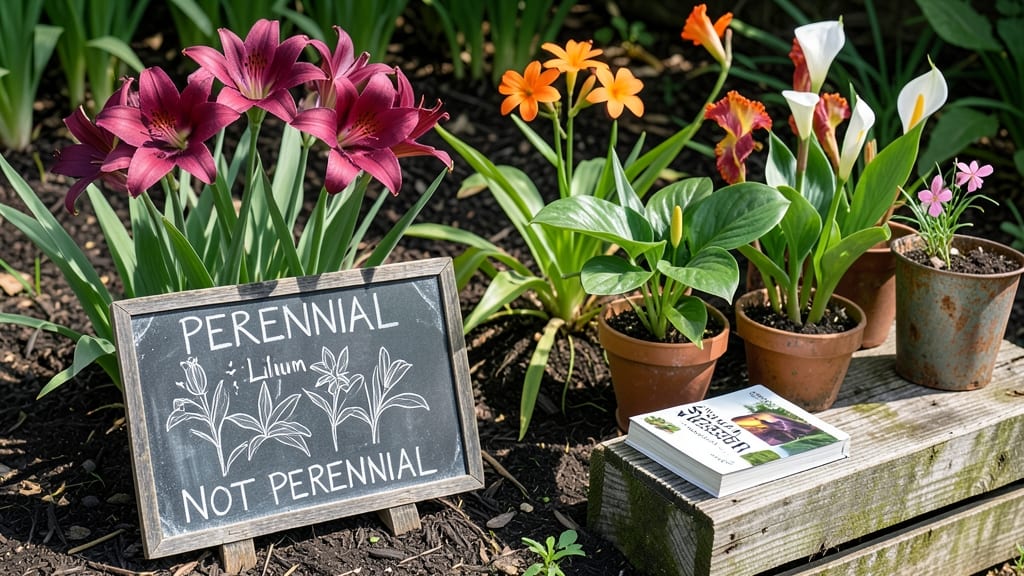
Not all lilies are perennials—only cold-hardy species like true lilies (Lilium) and daylilies (Hemerocallis) survive winter and regrow each year, while tropical varieties (e.g., peace lilies, calla lilies) typically die back annually unless protected.
When you think about lilies, it's easy to assume they all follow the same growth pattern—but that's not the case. 🌱 True lilies (Lilium) and daylilies (Hemerocallis) are the exceptions, thriving through winter dormancy in zones 3-9, thanks to their robust root systems.
Tropical lilies, however, act more like annuals or houseplants, requiring indoor care during cold months. The key difference lies in their native climates: hardy lilies evolved to withstand frost, while tropical varieties can't handle freezing temperatures.
For gardeners in colder regions, this distinction matters greatly. True lilies and daylilies can be planted outdoors year-round, while tropical lilies need to be brought inside before the first frost or risk permanent damage.
Even then, many tropical varieties struggle to regrow reliably after winter, making them better suited for container growing or as temporary outdoor plants.
💡 In This Article
- Perennial Lily Species That Thrive Year After Year
- Non-Perennial Lilies: When to Treat Them as Annuals or Houseplants
Perennial lily species that thrive year after year
True lilies (genus Lilium) and daylilies (genus Hemerocallis) are the only lilies that reliably return each year in most climates. True lilies, like the Asiatic hybrids or Trumpet lilies, store energy in underground bulbs that can survive winter dormancy in USDA zones 3-9.
Their bulbs, which resemble onions, contain stored nutrients that fuel regrowth in spring. The key is their ability to tolerate 20-30°F temperatures without permanent damage—something tropical lilies simply can't handle.
Daylilies take a different approach: they grow from thick, fleshy rhizomes that spread horizontally underground. These rhizomes act like living batteries, storing carbohydrates and water to survive freezing temperatures down to 0°F in some varieties.
Unlike true lilies, daylilies don't produce true bulbs but instead rely on this rhizome network to regenerate year after year. 🌿 The trade-off? True lilies often produce dramatic, showy flowers on tall stems, while daylilies offer more continuous blooming with shorter, hardier plants.
What makes these species truly perennial is their ability to enter a controlled dormancy state during winter. True lilies' bulbs undergo a metabolic slowdown, while daylily rhizomes remain semi-dormant but protected by their underground position.
This adaptation allows them to "wait out" cold periods without losing their ability to regrow. In contrast, tropical lilies lack these cold-resistant mechanisms, which is why they struggle in freezing conditions.
The growth habits also differ significantly. True lilies typically bloom for 2-4 weeks in summer, then die back completely until spring. Their bulbs remain dormant underground, conserving energy. Daylilies, however, often rebloom throughout the growing season (especially remontant varieties) and maintain some foliage year-round in mild climates.
This continuous growth makes them more resilient to environmental stresses but also means they have different care requirements than true lilies.
For gardeners, understanding these differences means choosing the right species for your climate. In zones 4-5, true lilies may need mulch protection, while daylilies often thrive without additional winter care.
The bulbs of true lilies should be planted 6-8 inches deep for best winter survival, while daylily rhizomes need only 2-3 inches of soil coverage. This depth difference reflects their distinct survival strategies.
One fascinating detail is how these plants handle frost differently. True lilies can tolerate frost on their foliage (which often dies back), but their bulbs must stay dry to prevent rot.
Daylilies, however, can survive being buried under snow, as their rhizomes are more resistant to moisture-related damage. This is why daylilies often outperform true lilies in wet climates.