
Plants
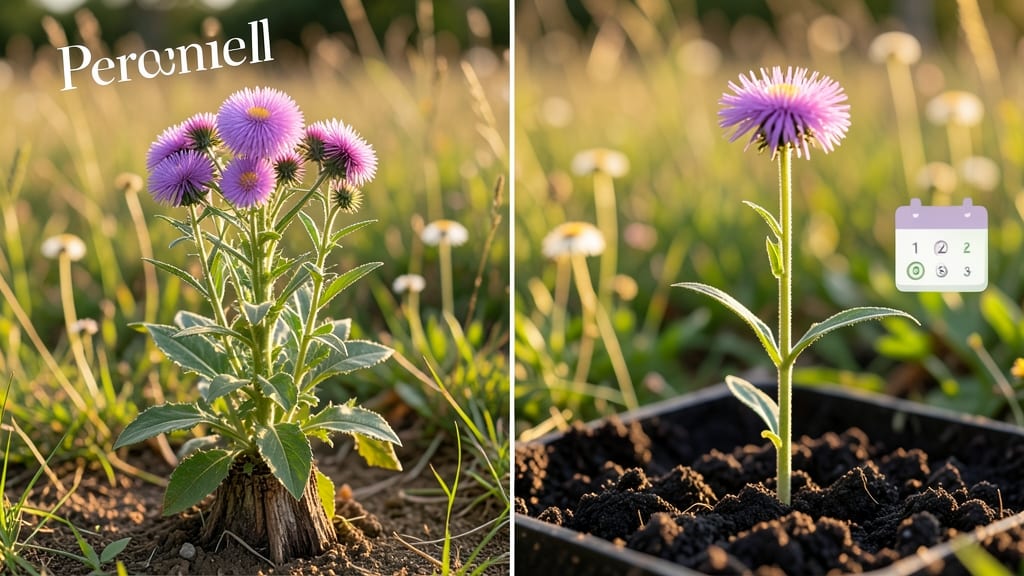
Not all asters are perennials—while many native asters (like Symphyotrichum species) return year after year, popular garden varieties such as China asters (Callistephus chinensis) complete their life cycle in just one season. Always verify your specific variety before planting to match your climate and garden goals.
This distinction matters because perennial asters develop deep root systems that help them survive winter, while annuals focus all their energy on rapid flowering during their single growing season. 🌱 For example, New England asters (Symphyotrichum novae-angliae) thrive in USDA zones 4-9 and return reliably each fall, whereas China asters must be replanted yearly.
The key difference lies in their growth strategy—perennials invest in longevity, while annuals prioritize quick, showy blooms.
If you're planning a low-maintenance garden, prioritizing perennial varieties will save you time and effort. Many gardeners mix both types for continuous color, using annuals for vibrant summer displays and perennials for autumn interest.
Always check plant tags or consult local nursery experts—they can clarify whether your chosen aster will come back next year or need annual replanting.
💡 In This Article
- How to Identify Perennial vs. Annual Asters
- Best Perennial Asters for Year-Round Garden Color
How to identify perennial vs. annual asters
The key difference between perennial and annual asters lies in their root systems and life cycles. Perennial asters, like the New England aster (Symphyotrichum novae-angliae), develop thick, fibrous roots that store energy underground, allowing them to regrow each spring.
These roots can extend 2-3 feet deep and spread 3-4 feet wide, creating a robust network that survives winter dormancy.
In contrast, annual asters like China aster (Callistephus chinensis) focus all their energy on producing flowers and seeds within a single growing season, with shallow root systems that die back completely after blooming.
You can spot the difference in their growth patterns: perennial asters emerge from the ground in early spring, often sending up basal leaves before flowering, while annuals start from seed and grow rapidly to bloom within 8-12 weeks.
Perennials also tend to have woody stems at the base after their first year, a clear sign of their long-term survival strategy.
Another visual clue is their bloom timing—perennial asters typically flower in late summer to fall, while annuals often bloom earlier in the season. 🌿 The scent also differs: many perennials emit a light, sweet fragrance, whereas annuals are usually unscented or have a more muted aroma.
Climate adaptability plays a huge role in distinguishing these types. Perennial asters thrive in USDA zones 4-9 and can handle -20°F to -30°F temperatures, thanks to their deep roots that insulate them from frost.
Annuals, however, struggle in cold climates and must be replanted each spring after the first frost kills their shallow roots.
For example, Alpine aster (Aster alpinus), a perennial, can survive in zone 3 with proper mulching, while Callistephus species won't survive winter in zones colder than zone 7.
Consider the plant's purpose in your garden: perennials offer low-maintenance, long-term color with minimal replanting, while annuals provide bold, seasonal displays that require yearly effort.
Many gardeners use annual asters for summer containers or cut flower arrangements, where their vibrant hues (like deep purple or pink blooms) create instant impact.
Perennials, on the other hand, excel in wildflower meadows or pollinator gardens, where their late-season blooms support bees and butterflies when few other flowers remain.
Here’s a quick comparison to help you identify them:
- Root System: Perennials have deep, fibrous roots; annuals have shallow, fibrous roots.
- Growth Speed: Annuals grow 6-12 inches per week to flower quickly; perennials grow 2-6 inches per season.
- Bloom Time: Perennials flower in late summer/fall; annuals bloom in summer or early fall.
- Winter Survival: Perennials return year after year; annuals die back completely.
To test whether your aster is perennial, dig up a mature plant after its first year. If you find a woody base with multiple buds at the soil line, it’s likely a perennial.
If the entire plant pulls up easily with no remaining roots, it’s an annual. This simple check can save you time and money in the long run! 💡