
Flowers
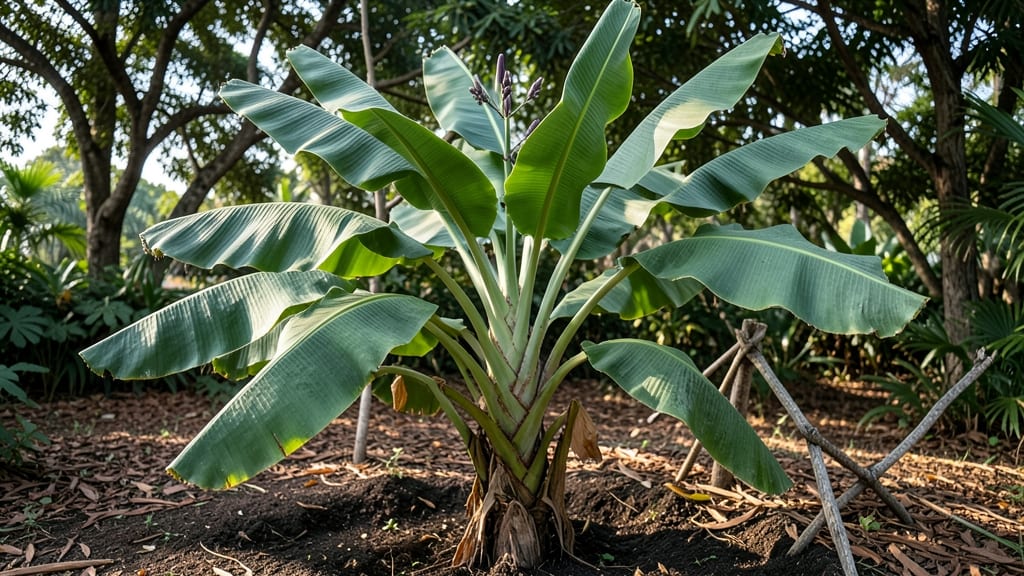
The definition of annual and perennial flowers reveals their core difference: annuals complete their life cycle in a single growing season, while perennials regrow each year from their root systems. This fundamental distinction shapes their growth patterns, care requirements, and long-term impact on garden design.
Understanding these flower types starts with their growth habits. Annuals like marigolds or zinnias deliver instant color but require yearly replanting, while perennials such as coneflowers or daylilies establish deep root systems that survive winter dormancy. 🌸 The trade-off?
Annuals offer seasonal variety at lower upfront cost, while perennials provide long-term structure with minimal annual work. This choice impacts everything from seasonal color planning to watering schedules—perennials often need less frequent attention once established, while annuals demand more consistent care during their brief lifespan.
For gardeners, this means strategic planning: use annuals for seasonal bursts of color in containers or borders, while perennials anchor your landscape design. Many hybrid varieties now bridge these categories, offering annual-like blooms with perennial hardiness—perfect for modern gardens that want both flexibility and low maintenance.
💡 In This Article
- How Annual vs Perennial Flower Lifecycles Affect Gardening
- Choosing Between Annual and Perennial Flowers for Your Garden
How annual vs perennial flower lifecycles affect gardening
The biological foundation of these flower types lies in their root systems and survival strategies. Annuals like marigolds or sunflowers develop shallow, fibrous roots designed for rapid growth and reproduction within 60-180 days.
Their entire energy focuses on producing seeds before winter, which is why they bloom so profusely in summer. The trade-off? Once they complete their life cycle, they die back completely, leaving no living structure for next season.
Perennials, however, invest in deep, robust root systems that store nutrients and energy through dormancy phases. Take peony roots, which can grow 3-4 feet deep and contain enough stored energy to produce lush foliage and flowers for decades.
This underground network allows them to survive freezing temperatures and drought, then regrow each spring. The key difference is their meristem tissue—growth points located below the soil surface that remain protected during winter.
This biological distinction directly impacts gardening strategies. Annuals provide instant seasonal color but require complete replanting each year, while perennials establish themselves over 2-3 years before reaching full maturity and bloom potential.
For example, black-eyed Susans may produce only a few flowers their first year but can cover entire garden beds by their third season. The energy trade-off explains why annuals bloom earlier and more dramatically than perennials in their first year.
Seasonal adaptation plays a crucial role too. Annuals have evolved to capitalize on short growing seasons, germinating quickly from seeds and maturing rapidly. Perennials, however, develop bud scales that protect their flower buds during winter, allowing them to emerge earlier in spring.
This explains why daylilies often bloom in late spring while annual petunias wait until summer heat arrives.
Consider the maintenance implications: annuals demand consistent watering, fertilizing, and often staking to support their rapid growth. Perennials, once established, develop drought resistance through their extensive root systems.
The water usage comparison is striking—an established lavender perennial may require only 1 inch of water per week once mature, while annual geraniums need 1-2 inches weekly during their growing season.
The bloom cycle timing also differs significantly. Annuals typically produce flowers for 8-12 weeks during their peak season, while perennials may bloom for 4-6 weeks but do so reliably year after year.
This creates opportunities for layered garden design where annuals provide seasonal highlights while perennials maintain structure throughout the growing season.