
Plants
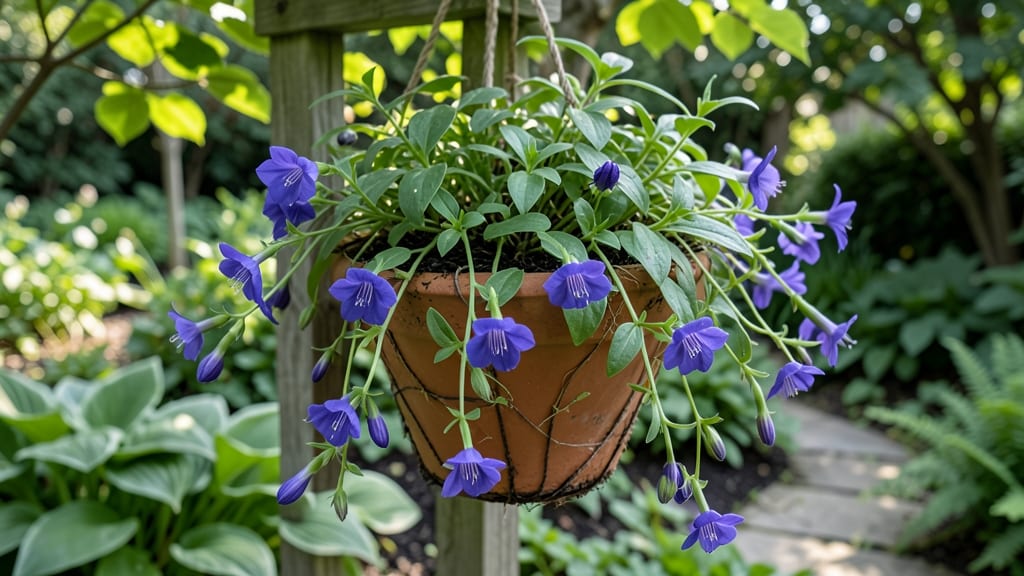
A trailing perennial is a plant that spreads horizontally along the ground, returning each year from the same root system while producing lush, cascading foliage or flowers. Unlike annuals, it persists through winters in temperate climates, offering seasonal color without replanting.
A trailing perennial creates a natural carpet of foliage or blooms by sending out horizontal stems called stolons or runners, which root at nodes along the way. 🌿 Unlike annuals that die back each season, these plants regrow from their permanent root systems, making them low-maintenance workhorses for gardens.
Think of them as the gardening equivalent of a reliable friend—they come back stronger every year, often expanding their territory without needing your help.
What sets them apart is their ability to adapt to different conditions while still delivering vibrant displays. Many thrive in USDA zones 3 through 9, handling both summer heat and winter chills with ease.
This makes them perfect for busy gardeners who want year-round interest without the annual replanting hassle. Plus, their spreading habit helps suppress weeds naturally while creating beautiful cascades in containers or along garden edges.
💡 In This Article
- How Trailing Perennials Spread and Survive Year-Round
- Best Trailing Perennials for Gardens and Containers
How trailing perennials spread and survive year-round
Trailing perennials use specialized horizontal stems called stolons or runners to spread outward from the parent plant. These stems grow along the soil surface, forming roots at nodes (joints) every 6-12 inches, creating new plants while connected to the original root system.
This process, called vegetative propagation, allows them to colonize areas efficiently—some species like creeping thyme can spread 12-18 inches per year. The root system remains dormant in winter but stores enough energy to regenerate foliage once temperatures rise above 50°F.
The key to their survival lies in their deep, fibrous root networks that extend 12-24 inches below ground. These roots store starches and sugars during the growing season, providing energy for regrowth in spring.
Unlike annuals, trailing perennials don't rely on seeds—they regenerate from their permanent root crowns, which can survive temperatures as low as -20°F in hardy varieties. This biological adaptation explains why they thrive in USDA zones 3-9 without needing annual replanting.
Seasonal adaptation is where these plants truly shine. In summer, their sprawling growth habit provides shade to soil, reducing moisture loss. During winter, many species develop protective ground cover that insulates roots from freezing temperatures.
For example, creeping phlox forms dense mats that trap heat, while ajuga produces low-growing leaves that create a natural blanket. This dual functionality makes them excellent for erosion control and weed suppression in garden beds.
What most gardeners don't realize is that trailing perennials often have two growth phases: an early spring flush of foliage followed by a summer flowering period. The timing varies by species—some like heuchera bloom in spring, while others like lobelia flower continuously until frost.
This staggered growth ensures year-round visual interest, with some varieties even producing colorful fall foliage before winter dormancy. The combination of horizontal spread and seasonal adaptation creates a self-sustaining garden ecosystem.
Consider how creeping Jenny (Lysimachia nummularia) demonstrates this perfectly. Its bright yellow foliage spreads aggressively via stolons while maintaining a compact growth habit (3-6 inches tall). In containers, it cascades beautifully, while in garden beds, it creates a golden carpet that suppresses weeds naturally.
The plant's ability to root at every node means it can even recover from accidental mowing or foot traffic—a resilience most annuals lack.
For gardeners in cooler climates, the choice of trailing perennial can mean the difference between winter survival and total die-off. Hardy varieties like creeping thyme (zone 5) or ajuga (zone 3) develop thick root systems that store enough energy to push through snow cover in early spring.
In contrast, tender perennials like lobelia (zone 10) require winter protection or must be grown as annuals in colder regions. This adaptability is what makes trailing perennials such versatile garden workhorses.