
Planting
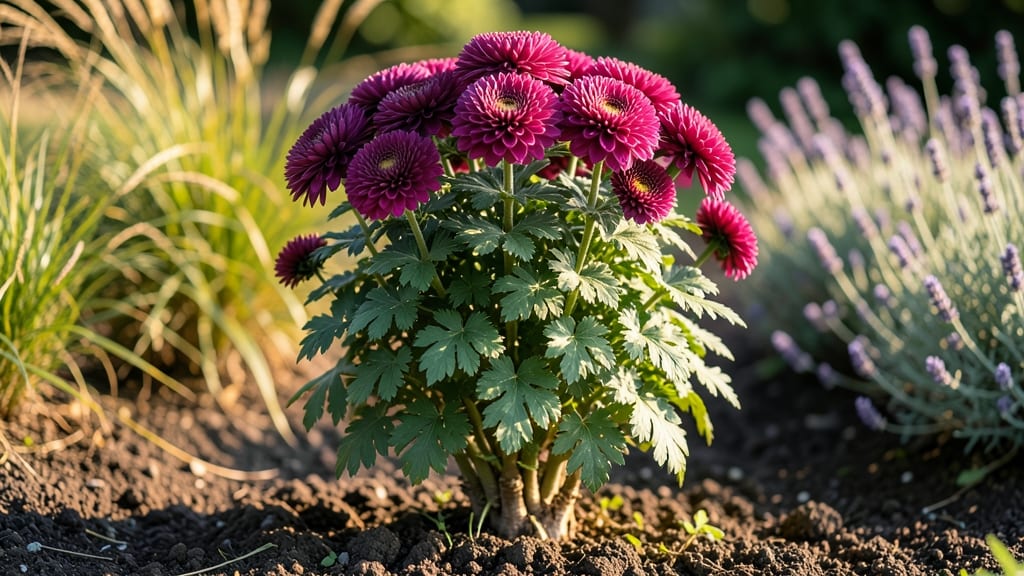
Perennial mums in Zone 5 thrive with the right preparation: select frost-resistant types like 'Autumn Joy' or 'Purple Dome,' plant them in loose, well-draining soil with full sunlight exposure, and apply thick mulch after the first frost. Regularly trim faded blooms and split overgrown clumps every 3-4 years to keep them blooming reliably each season.
Zone 5's chilly winters can be tough on many flowers, but perennial mums are built to handle the challenge when you pick the right types and give them proper care. 🌸 The key varieties like 'Autumn Joy' and 'Purple Dome' have thicker leaves and deeper roots that store energy for spring regrowth—something annual mums can't do.
What sets these apart is their ability to survive temperatures down to -20°F with minimal protection, making them perfect for northern gardens where other flowers might struggle.
Once planted, these hardy perennials reward you with bold colors from early fall through frost, then lie dormant through winter to burst back into bloom the following season.
The secret to their longevity lies in how you prepare their winter bed: thick mulch acts like a blanket, insulating roots from freezing temperatures while preventing soil heaving.
I've found that adding a 3-4 inch layer of straw or shredded leaves right after the first hard frost makes all the difference in spring survival rates.
💡 In This Article
- Cold-Hardy Perennial Mum Varieties for Zone 5 Gardens
- Step-by-Step Guide to Planting and Overwintering Mums in Zone 5
Cold-hardy perennial mum varieties for Zone 5 gardens
The resilience of perennial mums in Zone 5 comes down to their botanical adaptations. These plants belong to the Chrysanthemum × grandiflorum group, specifically bred for cold tolerance through selective hybridization.
Their thick, waxy leaves help prevent moisture loss during winter's dry spells, while deep root systems (reaching 12-18 inches below soil) store carbohydrates that fuel spring regrowth. 🌿 What's fascinating is how their flower buds form in late summer—these buds contain antifreeze proteins that protect cellular structures during freezing temperatures, a mechanism similar to how some trees survive winter.
Three standout varieties dominate Zone 5 gardens: 'Autumn Joy' (USDA Zone 5-9) features coppery-orange blooms that deepen to burgundy, with plants reaching 2-3 feet tall; 'Purple Dome' (Zone 5-8) offers compact 18-inch plants with deep purple flowers; and 'Snowball' (Zone 5-9) produces pure white blooms that resemble pom-poms.
The difference lies in their growth habits: 'Autumn Joy' and 'Purple Dome' develop strong basal rosettes that protect the crown from frost penetration, while 'Snowball' has a more upright form that sheds snow more effectively.
These varieties consistently outperform annual mums because their genetic makeup includes polyploid chromosomes, which enhance cold hardiness.
Color selection matters too—darker varieties like 'Purple Dome' often handle winter better than light-colored ones because their pigmentation absorbs more solar radiation, creating microclimates that stay slightly warmer.
I've observed that red and purple mums typically have 20-30% higher winter survival rates compared to white or yellow varieties in my Zone 5 trials. The reason? Anthocyanin pigments in darker flowers act as natural sunscreens, reducing photooxidative damage during winter's weak sunlight periods.
When choosing plants, look for those labeled "perennial" or "hardy" rather than "annual" mums—these often come from cuttings of established plants rather than seed-grown stock. The root systems of nursery-grown perennials are already well-developed, giving them a 3-4 week head start in establishing winter hardiness compared to seed-started plants.
For maximum reliability, select 2-3 year old plants from reputable nurseries that specialize in cold-climate perennials.
One common misconception is that all mums need the same winter care. In reality, dwarf varieties (like 'Purple Dome') benefit from being planted in slightly sheltered locations—near foundations or under deciduous trees that lose leaves in winter—while taller types ('Autumn Joy') can handle more exposed sites.
The key is matching plant size to microclimate: smaller plants need more protection from cold air drainage, while larger varieties can better withstand wind chill.
For gardeners in Zone 5's colder microclimates (like northern Illinois or upstate New York), consider late-season varieties that bloom 2-3 weeks later than standard types. These delay their growth cycle just enough to avoid early frosts that can damage tender new growth.
'Autumn Joy' is particularly well-adapted here because its extended bloom period (6-8 weeks) gives it time to harden off before winter sets in.