
Flowers
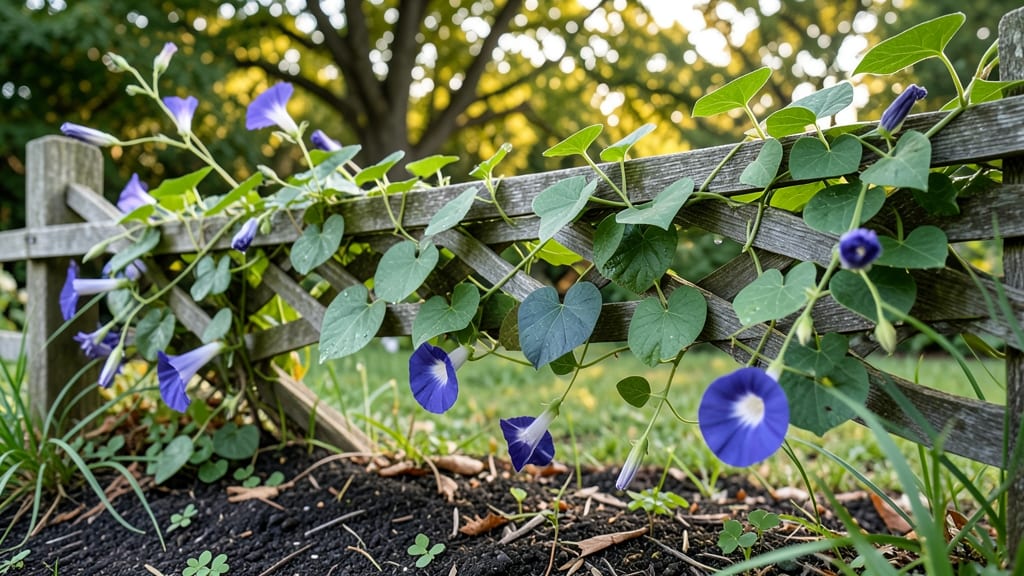
Whether morning glory flowers are annuals or perennials depends on your climate, with most varieties completing their lifecycle in one season unless grown in frost-free tropical regions. Their growth habits shift based on temperature, soil quality, and species.
Morning glories thrive as annuals in temperate zones because they can't survive freezing temperatures, but tropical varieties like Ipomoea quamoclit (cypress vine) often return year after year in warm climates. 🌿 The key difference lies in their root systems—annual types focus energy on rapid flowering, while perennial varieties invest in deeper roots to endure seasonal changes.
I've seen gardeners in USDA Zone 9 extend blooms by protecting plants with mulch during mild winters, turning them into quasi-perennials.
For most gardeners, treating morning glories as annuals simplifies care—just plant fresh seeds each spring. However, in frost-free areas, you can encourage repeat blooms by deadheading spent flowers and providing consistent moisture.
The right soil mix (well-draining but rich in organic matter) also makes a noticeable difference in plant vigor and longevity.
💡 In This Article
- How Climate and Species Determine Morning Glory Lifespan
- Extending Morning Glory Blooms: Annual Care Tips for Prolonged Beauty
How climate and species determine morning glory lifespan
Morning glories thrive as annuals in most climates because their delicate stems and leaves can't withstand freezing temperatures below 28°F. When frost hits, the entire plant—roots, stems, and all—dies back to the ground.
This is because morning glory species like Ipomoea purpurea (common morning glory) evolved in temperate zones where they complete their lifecycle in a single growing season, setting seeds before winter arrives. The trade-off? They invest all their energy into rapid growth and prolific flowering rather than building frost-resistant structures.
The distinction between annual and perennial morning glories comes down to two key factors: USDA hardiness zones and species-specific adaptations. In zones 3-8, morning glories act as annuals, while in zones 9-11, varieties like Ipomoea quamoclit (cypress vine) often survive winters with minimal protection.
Tropical morning glories, such as Ipomoea batatas (sweet potato vine), may even regrow from tubers if protected from cold snaps. The root system plays a crucial role—annual types develop shallow roots for quick nutrient uptake, while potential perennials grow deeper, more robust roots to store energy for regrowth.
Temperature sensitivity is the primary biological trigger. Morning glories respond to day length and temperature shifts—when nights grow cooler, they signal the plant to focus on seed production rather than vegetative growth. This photoperiodic response ensures they complete their lifecycle before winter.
In contrast, tropical varieties lack this strong seasonal cue, allowing them to grow continuously in warm climates. For example, in Florida's Zone 10, morning glories may bloom year-round if given consistent moisture and protection from heavy rains.
Soil conditions also influence lifespan. Morning glories prefer well-draining soil with a pH between 6.0-7.0, but poor drainage or compacted soil can stress the plant, shortening its lifespan.
In ideal conditions, annual morning glories can reach 6-10 feet in a single season, while perennial types in frost-free zones may grow even taller with proper care.
The difference in growth habit is visible in their vine structure—annuals produce thinner, more delicate vines, while potential perennials develop thicker, woody stems capable of withstanding seasonal stress.
What most gardeners overlook is how microclimates can turn annual morning glories into quasi-perennials. In areas with mild winters (like coastal California), morning glories may survive if sheltered from wind and covered with mulch during 32-40°F nights.
This creates a hybrid growth pattern where the plant acts like an annual in colder years but persists in warmer microclimates. The key is understanding your local frost dates—planting after the last frost (after May 15 in many northern regions) maximizes the growing season and bloom time.
For those curious about specific species, Ipomoea nil (Japanese morning glory) is strictly annual, while Ipomoea alba (moonflower) can sometimes persist in Zone 9 with protection.
The choice between annual and perennial care often comes down to your patience—annuals offer quick, vibrant blooms, while potential perennials reward gardeners with repeat performances in the right climate. 🌿