
Flowers
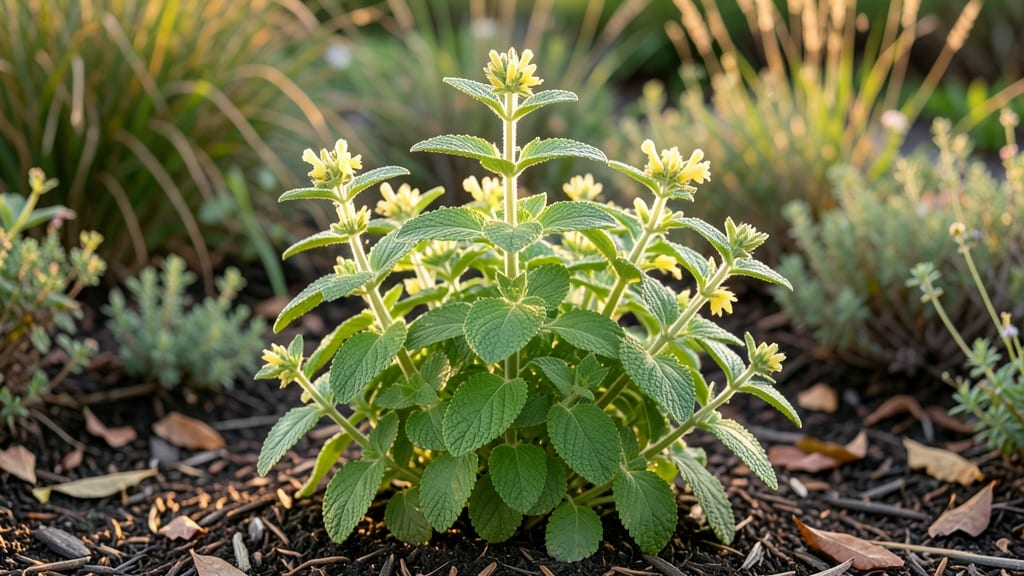
Whether lemon balm is annual or perennial depends on your climate: in USDA Zones 4-9, it thrives as a hardy perennial, returning each year with proper winter care, though it may die back before regrowing in spring. Colder regions treat it as an annual unless you provide winter protection, while warmer zones support continuous blooming with minimal pruning.
Lemon balm's growth habit shifts dramatically based on winter temperatures.
In Zones 5-9, it naturally enters dormancy, sending up fresh growth from the same roots each spring. 🌱 The key difference comes in Zone 4, where frost can kill the plant back to the ground—without mulch or row covers, it behaves like an annual.
Even in milder zones, a harsh winter might require extra protection to ensure it returns. What's fascinating is how this herb adapts: in Zone 10 and warmer, it blooms nearly year-round with just occasional pruning to encourage new growth.
This adaptability makes lemon balm incredibly forgiving. Unlike many perennials that demand precise conditions, lemon balm rewards gardeners with resilience. The secret lies in its rhizomatous root system, which stores energy underground to fuel regrowth.
Even if the above-ground parts freeze, those roots often survive to produce new shoots when temperatures warm—though in extreme cold, you might need to start fresh. That's why I always recommend planting extra in case of winter setbacks!
💡 In This Article
- Lemon Balm’s Cold Hardiness by USDA Zone
- Encouraging Reblooms in Lemon Balm Plants
Lemon balm’s cold hardiness by USDA Zone
The secret to lemon balm's survival lies in its rhizomatous root system, which acts like a natural storage unit. In Zones 5-9, these roots store carbohydrates during winter dormancy, fueling regrowth when soil temperatures hit 50°F in spring.
The plant’s above-ground growth dies back to protect the root crown, which can withstand -20°F temperatures—though prolonged exposure to -30°F may cause damage. This is why Zone 5 gardeners often see lemon balm return reliably each year, while Zone 4 may need extra protection.
In Zone 4, where winters dip below -30°F, lemon balm behaves more like an annual unless you take action. The key is insulating the root zone with 6-8 inches of organic mulch (straw or shredded leaves work best) or using row covers before the first frost.
Microclimates matter too—plants near south-facing walls or under evergreens often survive better because those areas retain 5-10°F of extra warmth during cold snaps.
I’ve seen lemon balm thrive in Zone 4 gardens when planted in raised beds with extra mulch, proving that with the right conditions, even "annual" zones can grow perennials.
Warmer zones (7-9) offer lemon balm a different advantage: continuous growth potential. In these areas, the plant rarely enters true dormancy and may bloom year-round if not pruned. The trade-off is that without occasional pruning, it can become leggy.
In Zone 10, where winters rarely drop below 30°F, lemon balm grows aggressively and may even self-seed, creating dense patches. The key difference? In colder zones, you’re managing dormancy, while in warmer zones, you’re managing growth vigor.
Soil type plays a surprising role in cold hardiness. Lemon balm prefers well-draining soil with pH 6.0-7.5, but sandy soils warm up faster in spring, giving roots a head start. Clay soils, while cooler, retain moisture better—critical when spring rains are delayed.
That’s why I always recommend amending heavy soils with compost or perlite to improve drainage while maintaining moisture. The right soil can mean the difference between a plant that returns reliably and one that struggles to regrow after winter.
What most gardeners don’t realize is how timing matters for winter protection. Applying mulch in late fall (after first frost) prevents soil temperature fluctuations that can stress roots. In Zone 4**, I’ve found that adding a thick layer of straw over the mulch adds an extra 5°F of insulation.
The goal is to keep the root zone above 20°F—below that, cell damage occurs, and regrowth may be delayed or stunted. This is why I always check soil temps with a probe before deciding whether to cover plants.
For those in Zone 6-9, the real challenge isn’t winter survival but managing spring regrowth timing. In milder winters, lemon balm may start sprouting as early as February, while after harsh winters, it might wait until April.
The key is to avoid pruning until you see new growth of at least 4-6 inches—this ensures the plant has built up enough energy reserves.
In my garden, I’ve seen lemon balm recover from -15°F winters when planted in protected microclimates, proving that with the right conditions, even Zone 4 can grow lemon balm perennially.