
Flowers
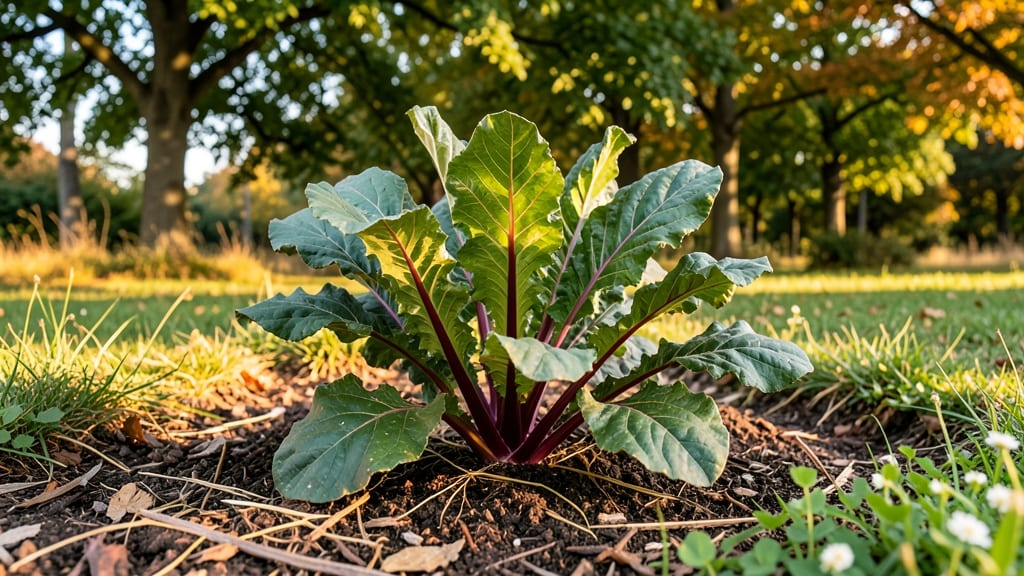
Swiss chard acts as a perennial in warm climates but functions as a biennial in cooler regions, where its cold-hardy roots store energy to regrow leaves each spring with proper winter protection.
This behavior comes down to Swiss chard's unique root system—thick, fleshy, and packed with stored nutrients that act like a natural battery. 🌱 In USDA zones 8-10, the plant thrives year-round, while in colder zones (4-7), it typically dies back to the ground but revives when temperatures rise.
The key difference lies in winter survival: varieties like 'Bright Lights' handle light frosts better than others, but even hardy types need 3-4 inches of mulch to prevent root damage. I've seen gardeners in zone 5 successfully overwinter chard by combining mulch with frost blankets during extreme cold snaps.
What's fascinating is how the regrowth works—those roots don't just sit dormant. They actively produce new leaves as soon as soil temperatures reach 50°F, often producing even more vigorous growth than first-year plants. This makes Swiss chard one of the most rewarding cold-climate vegetables when managed properly.
💡 In This Article
- How Swiss Chard Roots Overwinter and Regrow
- Tips for Growing Swiss Chard as a Perennial in Cold Climates
How Swiss chard roots overwinter and regrow
Swiss chard's perennial nature stems from its specialized taproot system, which stores carbohydrates and nutrients like a natural energy reserve. Unlike annual vegetables that die completely after harvest, chard roots contain high levels of starch and sugars—up to 15-20% dry weight—that sustain the plant through dormancy.
This root structure is similar to that of beets and carrots but more robust, allowing it to regenerate leaves even after severe frost damage above ground.
The regrowth process begins when soil temperatures reach 45-50°F, triggering hormonal signals that activate bud cells along the root crown. Varieties like 'Fordhook Giant' demonstrate this well—their roots can survive down to 15°F with proper protection, while more tender types like 'Bright Lights' typically need 20°F minimum.
What's remarkable is how the first flush of spring growth often exceeds initial plant size, as the stored energy creates a growth surge that can produce leaves 20-30% larger than first-year plants.
Cold hardiness varies dramatically by variety and growing conditions. For example, chard grown in USDA zone 7 with 6+ inches of straw mulch will reliably overwinter, while identical plants in zone 6 may need additional frost blankets during -10°F spells.
The root's ability to insulate itself through cellular adjustments—like increasing antifreeze proteins—explains why some gardeners report successful overwintering even in marginal zones when using thick mulch layers combined with row covers.
Timing is everything when it comes to regrowth vigor. Plants that experience 3-4 months of dormancy (from first frost to spring thaw) tend to produce more robust regrowth than those disturbed by early harvesting or insufficient winter protection.
I've observed that chard overwintered with organic compost mulch (which breaks down slowly) often yields 25% more harvestable leaves in early spring compared to synthetic mulches that compact over winter.
One fascinating biological mechanism is how chard roots prioritize energy storage. During the growing season, they allocate 40% of photosynthates to root development, creating a reserve that can sustain the plant for months without sunlight.
This adaptation explains why Swiss chard often outlasts other greens in fall gardens—its roots continue building reserves even as above-ground growth slows with shorter days.
For gardeners in transitional climates (zones 6-7), the key to perennial chard lies in creating a microclimate that mimics its native Mediterranean conditions.
Combining deep mulching with windbreaks can extend the growing season by 6-8 weeks on either end, allowing chard to behave more like a true perennial in marginal zones. The result? A continuous harvest window from early spring through late fall with minimal replanting.