
Flowers
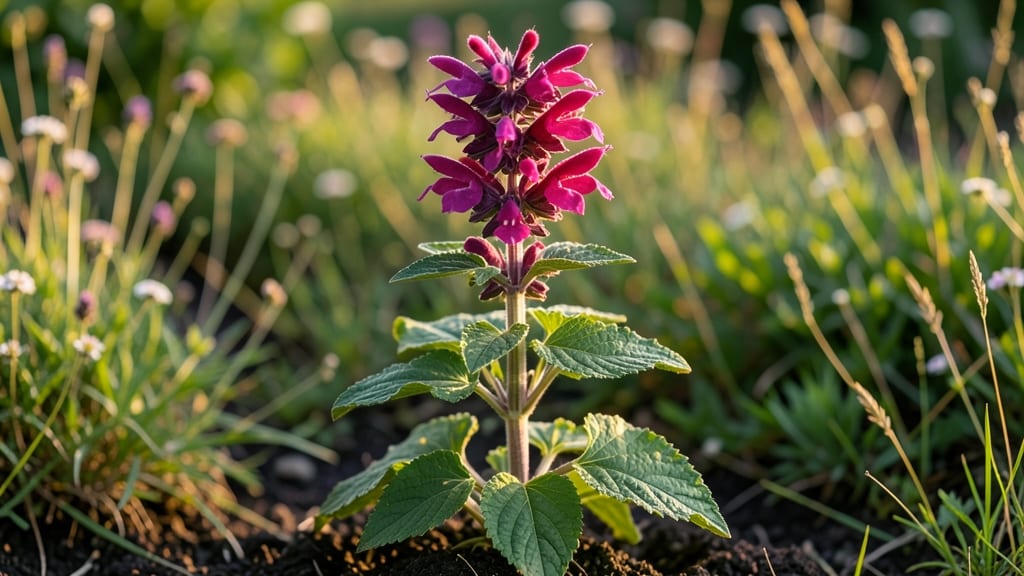
Monarda is a perennial plant that returns every year, even though its stems and leaves die back completely in winter. Its robust root system survives frost, then sends up fresh growth when temperatures warm in spring.
This dieback pattern isn't a sign of weakness—it's a survival strategy. 🌱 Unlike annuals that complete their lifecycle in one season, Monarda stores energy in its roots during winter dormancy, then uses that reserve to fuel rapid regrowth.
The key difference from biennials is that Monarda's root crown remains alive year-round, ready to push out new shoots when conditions improve.
What sets Monarda apart is its adaptability. Different varieties like bee balm (Monarda didyma) or wild bergamot (Monarda fistulosa) handle cold differently, but all share this perennial resilience.
The secret lies in their deep, fibrous root systems that anchor them through harsh winters while still delivering those signature summer blooms year after year.
💡 In This Article
- How Monarda’s Root System Ensures Perennial Longevity
- Year-Round Care Tips to Maximize Monarda’s Perennial Potential
How Monarda’s root system ensures perennial longevity
Monarda's perennial nature hinges on its deep, fibrous root system that extends 2-3 feet below the soil surface. These roots store carbohydrates as starches during summer growth, converting them to sugars that act as antifreeze in winter.
The root crown—the thickened base where stems emerge—contains specialized cells that remain metabolically active even at 10°F temperatures, allowing regrowth when spring arrives. 🌱 This contrasts with annuals, which have shallow roots that die completely after seed production.
The two most common species demonstrate different survival strategies: Monarda didyma (bee balm) develops a rhizomatous system that spreads horizontally, creating new shoots from lateral buds, while Monarda fistulosa (wild bergamot) relies on a more vertical, taproot structure with dense fibrous secondary roots.
Both systems share the ability to compartmentalize damage—when stems freeze, the plant seals off damaged tissues while preserving the living root crown. This compartmentalization explains why even severely frosted plants can rebound completely.
Dormancy plays a crucial role in this survival mechanism. During winter, Monarda enters endodormancy, a deep rest period triggered by shortening daylight and cooling temperatures. The plant's growth hormones shift from promoting stem elongation to root maintenance, with abscisic acid accumulating to protect cells from frost damage.
What's fascinating is how this dormancy isn't passive—roots continue slow metabolic activity, preparing for spring's return. This biological strategy ensures Monarda can survive USDA hardiness zones 4-9, depending on the species.
One common misconception is that dieback equals death. In reality, the above-ground stems contain 90% water by weight, making them the first to freeze and collapse. The root system, however, maintains 30-40% moisture and stores 15-25% starch reserves, providing the energy needed for rapid regrowth.
This is why you'll often see new shoots emerging within 2-3 weeks of spring's first warm days—sometimes even before snow has completely melted. 💫
The plant's ability to regenerate from multiple points along its root system adds another layer of resilience. Unlike many perennials that rely on a single growing point, Monarda can produce new stems from anywhere along its root crown, even if parts are damaged.
This distributed growth pattern explains why even heavily pruned or frost-damaged plants often recover fully. The trade-off is that this vigorous regrowth requires adequate soil nutrients, particularly phosphorus and potassium, to fuel both root maintenance and above-ground growth.
What makes Monarda particularly interesting is how its root system interacts with soil microbes. The fibrous roots create extensive surface area for beneficial fungi and bacteria, forming a mycorrhizal network that enhances water and nutrient uptake.
This symbiotic relationship becomes especially valuable during spring regrowth when the plant needs to rapidly rebuild its foliage. Studies show Monarda plants with healthy mycorrhizal associations can establish 30% faster than those without, giving them a competitive advantage in garden settings. 🌿