
Flowers
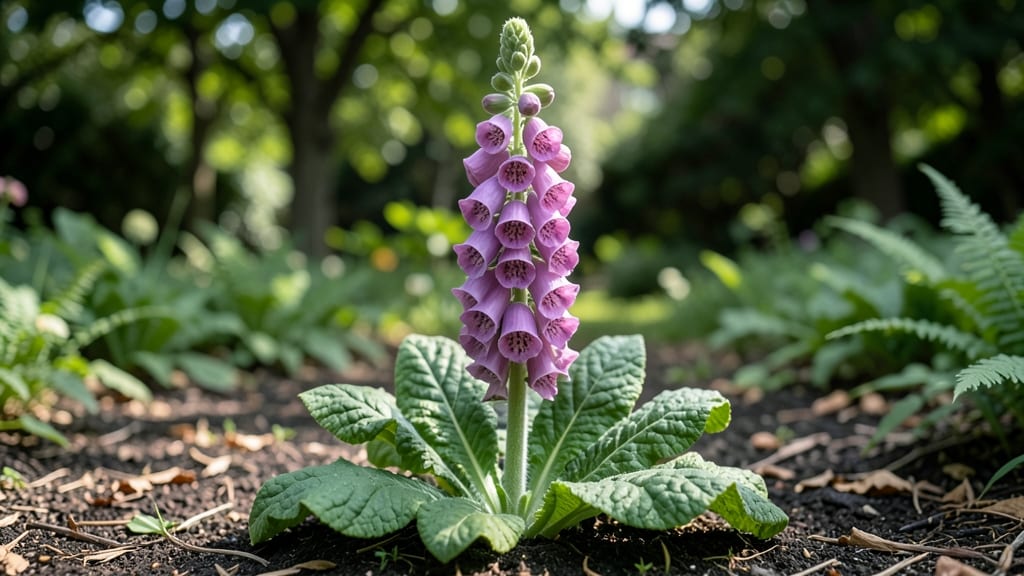
Foxglove behaves more like a biennial than a true perennial in most regions, dying back after flowering but often returning through self-seeding. In colder zones (USDA 4-8), it may persist year-to-year under ideal conditions, though its lifespan varies.
Foxglove's growth pattern depends heavily on your climate and soil conditions. 🌱 In warmer regions, it typically completes its life cycle in two years—sprouting, flowering, and then fading away.
However, the plant's ability to self-seed means new plants often pop up naturally the following spring, creating the illusion of perennial behavior. For gardeners in colder zones, protecting the roots with mulch can encourage regrowth, though patience is key as it may take a season or two to establish.
What makes foxglove unique is its adaptability—when happy, it can act almost like a short-lived perennial, especially if you provide consistent moisture and well-draining soil.
The key difference from true perennials is that foxglove doesn't always return from the same root system each year, but its prolific seeding compensates for this in many gardens.
💡 In This Article
- Foxglove’s Life Cycle: Biennial vs Perennial Behavior
- How to Extend Foxglove’s Season in Your Garden
Foxglove’s life cycle: biennial vs perennial behavior
Foxglove's growth pattern hinges on its botanical classification as a biennial in most climates, meaning it completes its life cycle in two years. During its first year, the plant focuses on developing a strong root system and basal leaves, storing energy for the flowering stage.
This rosette phase can last 6-12 months depending on temperature and daylight exposure. What makes foxglove unique is its ability to delay flowering for a second year if conditions aren't ideal—this adaptability is why some gardeners observe perennial-like behavior.
The transition to flowering occurs when the plant senses longer daylight hours and warmer temperatures, typically in late spring or early summer. This flowering stage produces those iconic bell-shaped blooms that can reach 2-3 feet tall, but it's also when the plant begins its decline.
After seed production, the above-ground foliage withers, but the root system may persist underground for 1-2 years in cold climates, allowing potential regrowth if conditions remain favorable. 🌿
Cold temperatures play a crucial role in foxglove's dormancy. In USDA zones 4-8, the plant's root crown can survive winter if protected by 3-4 inches of mulch, allowing it to re-emerge the following spring. This cold-hardiness explains why foxglove often appears perennial in northern gardens.
However, in warmer zones (9+), the plant typically completes its full life cycle within a single year, dying completely after flowering. The key difference from true perennials is that foxglove doesn't always regenerate from the same root system—it often relies on self-seeding for continuation.
Foxglove's self-seeding habit is its greatest asset for garden persistence. A single mature plant can produce up to 200,000 seeds that scatter easily, creating dense colonies over time. These seeds remain viable in the soil for 2-3 years, germinating when conditions are right.
This prolific seeding explains why foxglove often appears more abundant each year, even though individual plants may not return from the same location. The trade-off is that this aggressive seeding can sometimes become invasive in garden settings.
The plant's growth cycle also demonstrates an interesting physiological adaptation: foxglove can enter a dormant state if stressed by drought or poor soil conditions, potentially delaying its life cycle for an additional year.
This flexibility means that in ideal conditions—moist, well-draining soil with partial shade—foxglove may behave more like a short-lived perennial, returning for multiple seasons through a combination of root persistence and self-seeding.
The result is a plant that blurs the line between biennial and perennial behavior depending on environmental factors.
Understanding this growth pattern helps explain why foxglove thrives in cottage gardens and woodland edges. Its ability to both persist through root systems and reproduce prolifically through seeds creates a resilient presence that can outlast many true perennials in challenging conditions.
The key to maximizing its lifespan lies in mimicking its natural habitat—providing consistent moisture while protecting it from extreme temperature fluctuations. 🌸