
Shrubs
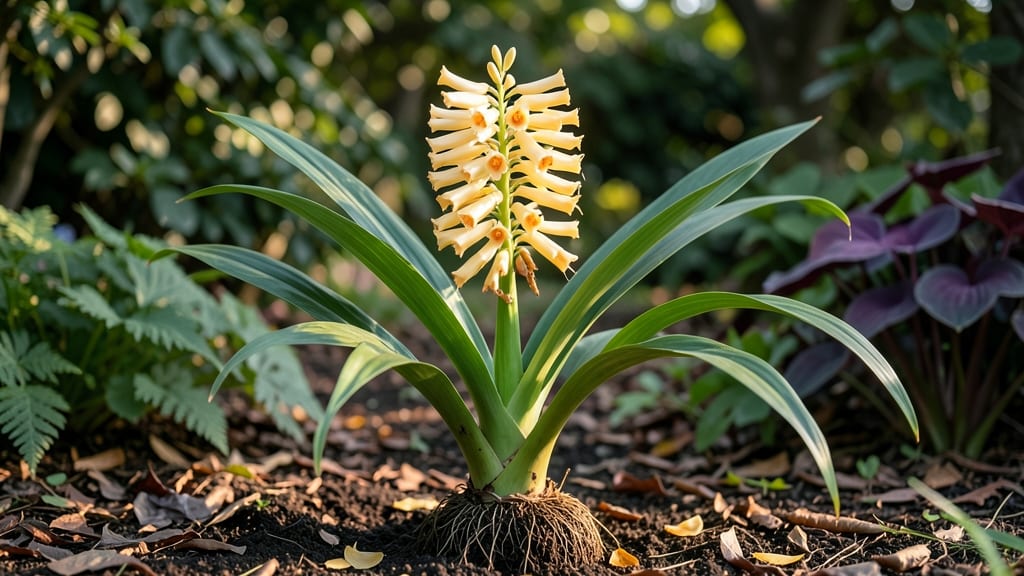
Flowering ginger behaves as a perennial in USDA Hardiness Zones 8-11, where it thrives continuously with proper care, though it may go dormant or die back in colder regions unless protected. The rhizomes often regrow when warmer temperatures return.
Flowering ginger's perennial nature depends entirely on your climate zone.
In warmer regions like Florida or Southern California, it grows vigorously year-round, sending up new shoots from its underground rhizomes each spring. 🌱 The key difference is that in colder zones (7 and below), it acts more like a tender perennial—meaning it won't survive winter exposure without protection.
Many gardeners treat it as an annual in these areas, digging up and storing the rhizomes indoors until spring.
What makes this plant so adaptable is its ability to enter dormancy during cold snaps. The rhizomes store energy underground, allowing them to bounce back when conditions improve. This survival mechanism is why it's classified as a perennial in its native tropical environments but requires special care in temperate climates.
The USDA's zone classification isn't just about survival—it's about performance. In Zones 8-11, flowering ginger typically blooms more reliably, while in marginal zones, you'll often get smaller plants that may need extra mulch or container insulation to make it through winter.
The good news? Even if it dies back, the rhizomes usually survive to regrow when temperatures rise above 40°F.
💡 In This Article
- Flowering Ginger’s Cold Tolerance and Growth Cycle
- How to Extend Flowering Ginger’s Lifespan in Marginal Climates
Flowering ginger’s cold tolerance and growth cycle
Flowering ginger's perennial status hinges on its natural dormancy cycle, which is triggered by temperature shifts. In USDA Zones 8-11, where winter temperatures rarely dip below 30°F, the plant remains actively growing or semi-dormant. The rhizomes store carbohydrates during cooler months, allowing them to sustain growth without full dormancy.
This is why you'll see flowering ginger thriving year-round in Southern California or Florida—its growth is continuous, though slowed during mild winters.
The magic happens at the cellular level: flowering ginger's meristematic tissues (growth points) can remain active above 40°F but enter a protected state when temperatures fall. Unlike true perennials that completely shut down, flowering ginger maintains some metabolic activity, which is why it can regrow so quickly when spring arrives.
The rhizomes act like natural batteries, storing up to 20% starch content during peak growing seasons to fuel regrowth. This adaptability is why it's classified as a perennial in warm climates.
In colder zones, the story changes dramatically. When temperatures consistently drop below 25°F for extended periods, the plant's above-ground foliage will die back completely. However, the rhizomes typically survive if they're at least 4 inches deep in well-draining soil.
The key threshold is 15°F—below this, even protected rhizomes may suffer damage. This is why gardeners in Zones 7 and below often treat it as an annual, though with proper overwintering techniques, you can coax it to return year after year.
What's fascinating is how flowering ginger's growth cycle mirrors tropical plants that experience wet/dry seasons. The rhizomes naturally thicken during warm months, creating a food reserve that allows them to "wait out" cold periods.
In Zone 9, for example, you might see new shoots emerge as early as February when daytime temperatures reach 60°F, while in Zone 11, growth continues nearly year-round with only minor slowdowns during cooler winter nights.
Here's what happens during a typical growth cycle in Zone 10:
- Spring (March-May): Rhizomes sprout when soil reaches 65°F, with new shoots emerging within 2-3 weeks
- Summer (June-August): Peak growth with flowering, as temperatures between 75-90°F trigger blooming
- Fall (September-November): Growth slows as temperatures drop, but rhizomes continue storing energy
- Winter (December-February): Minimal growth with foliage possibly yellowing, but rhizomes remain viable
The plant's ability to regrow from rhizomes is what truly defines its perennial nature. Even if the above-ground parts die back, those underground stems can remain dormant for months, waiting for the right conditions. This is why many gardeners in marginal zones successfully overwinter flowering ginger by simply covering the soil with 6-12 inches of mulch—the rhizomes stay protected while the mulch insulates against temperature swings.
What most gardeners don't realize is that flowering ginger's cold tolerance improves with age. Younger plants (under 2 years old) are more susceptible to cold damage, while established rhizomes with 3+ years of growth can often survive brief exposures to 20°F.
This is why many experts recommend letting flowering ginger mature for at least 2 growing seasons before attempting winter protection in cooler climates. 🌱