
Flowers
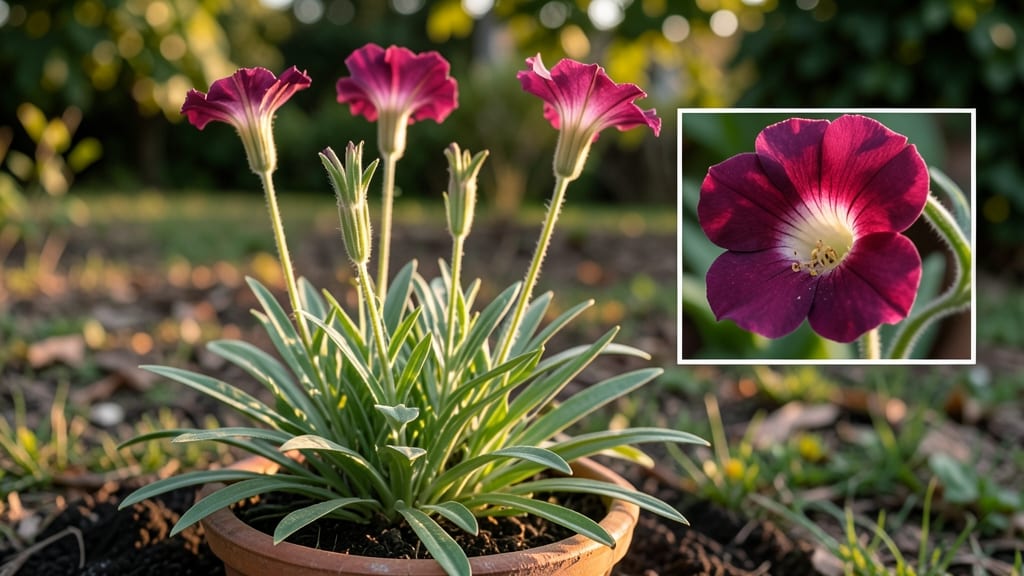
Eustoma behaves as a perennial only in frost-free zones (USDA 9-11), where it may self-seed or persist with winter care. In cooler climates, it dies back after flowering and must be replanted annually.
Eustoma's growth pattern depends entirely on your climate zone. 🌱 Native to tropical and subtropical regions, this flower simply can't survive freezing temperatures, which is why most gardeners treat it as an annual.
However, in warm coastal areas or greenhouses, eustoma can live multiple years by dropping seeds or overwintering with protection. The key difference from true perennials like lavender lies in its inability to regrow from the same root system after cold exposure.
For gardeners in zones 7-8, the solution is simple: save seeds or dig up plants before frost hits. 💫 With proper care, you can enjoy eustoma's stunning blooms year after year without the commitment of a true perennial.
💡 In This Article
- Why Eustoma Acts Like a Perennial in Warm Climates
- How to Extend Eustoma’s Lifespan in Cooler Regions
Why eustoma acts like a perennial in warm climates
Eustoma's tropical origins explain why it thrives as a perennial only in frost-free zones (USDA 9-11). Native to Mexico, Central America, and the southeastern U.S., its delicate stems and leaves contain high moisture content (85-90%), making them extremely sensitive to freezing temperatures below 32°F.
Unlike true perennials like salvia or snapdragons, which develop woody stems or underground rhizomes to survive winter, eustoma lacks these adaptations. Instead, its survival strategy relies on continuous warmth and consistent moisture.
The plant's growth cycle mirrors that of annuals in cooler climates: it bolts to flower within 8-12 weeks of planting, then produces thousands of tiny seeds that scatter naturally. In ideal conditions (average winter temps above 45°F), these seeds germinate the following season, creating dense stands of new plants.
This self-seeding behavior gives eustoma the appearance of being perennial, though each generation technically starts fresh. The key difference is that true perennials regrow from the same root system year after year, while eustoma relies entirely on seed propagation.
In frost-free microclimates, eustoma's shallow root system (6-12 inches deep) remains active year-round, allowing it to produce multiple flushes of blooms with proper care. The plant's ability to handle humidity levels above 60% and partial shade in hot afternoons further extends its growing season.
This contrasts sharply with its performance in colder zones, where even light frosts (28-32°F) cause irreversible cell damage within 2-3 hours of exposure.
What most gardeners overlook is how eustoma's flowering triggers its survival mechanism. The plant's papery, bell-shaped blooms (up to 3 inches wide) contain seed pods that split open when mature, dispersing seeds via wind or water.
This adaptation ensures genetic continuity in stable climates, while the plant's inability to enter true dormancy explains why it fails as a perennial elsewhere. Even in warm zones, individual plants rarely live beyond 2-3 years without human intervention.
For comparison, consider salvia or snapdragons—both true perennials in zones 5-8. These plants develop woody bases or tuberous roots that store nutrients through winter, allowing them to regrow from the same plant structure. Eustoma lacks these storage organs entirely, which is why it can't persist through cold snaps.
Instead, its survival depends on creating new plants through seed germination each season, a strategy that works beautifully in tropical climates but falls apart when temperatures dip.
Here's what this means for your garden: If you live in zone 9 or warmer, eustoma's self-seeding habit can create stunning natural displays with minimal effort. Simply allow spent blooms to remain on the plant until they turn brown and dry—this ensures seed production.
In contrast, gardeners in zones 7-8 must treat eustoma as an annual or take active steps to protect it through winter, which we'll explore in the next section. 🌿