
Flowers
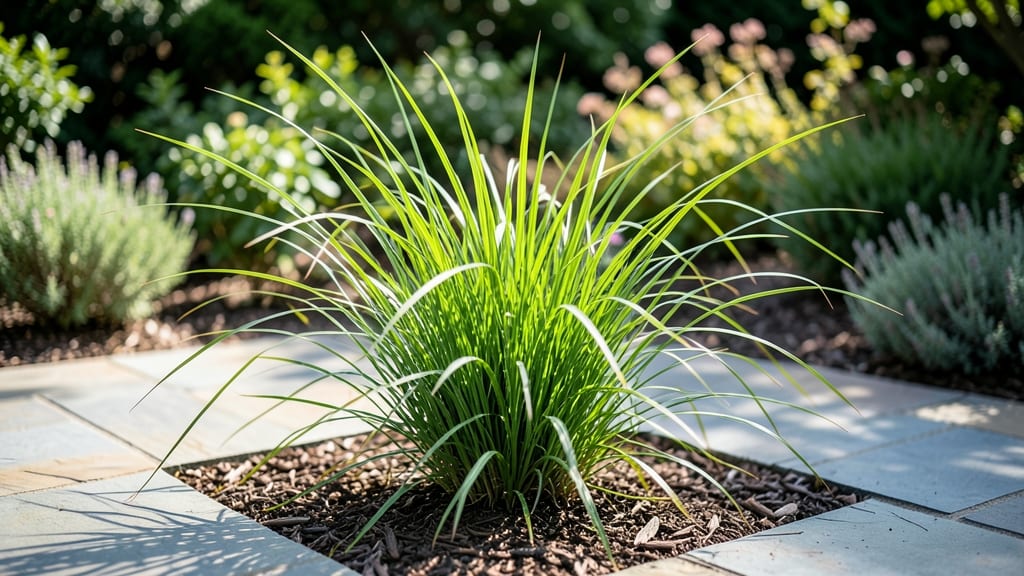
Citronella behaves as a perennial plant in tropical and subtropical climates, where its hardy root system lets it regrow annually without replanting. However, in colder regions, it acts like an annual or tender perennial, needing seasonal care or protection to survive.
Citronella's growth habits hinge on temperature—its roots are the key to whether it returns year after year. 🌱 In warm zones, the plant's deep root system stays dormant but alive through mild winters, ready to sprout again when temperatures rise.
In colder areas, frost kills the above-ground growth, but with proper protection like mulching or container growing, you can coax it back each spring. The difference comes down to how well the roots endure winter chill.
For gardeners in marginal climates, choosing cold-hardy varieties or moving potted plants indoors during freezes can extend citronella's lifespan. Some varieties handle brief cold snaps better than others, so selecting the right type makes all the difference.
Whether you're in a frost-free zone or a cooler region, understanding these growth patterns helps you decide how to cultivate citronella long-term.
💡 In This Article
- Citronella’s Perennial Growth Cycle in Different Climates
- Extending Citronella’s Lifespan in Cold Climates
Citronella’s perennial growth cycle in different climates
The key to citronella's perennial behavior lies in its root system, which acts like a biological survival mechanism. In tropical and subtropical zones (USDA hardiness zones 9-11), the roots develop a deep, fibrous network that stores starches and nutrients.
This underground system can tolerate brief dry periods and mild winters down to 25-30°F, allowing the plant to regrow from the same roots each spring.
The above-ground growth may brown and die back during cooler months, but the roots remain alive, ready to sprout when temperatures rise above 55°F. 🌿
In colder climates (zones 7-8), citronella's roots struggle to survive prolonged freezing. When temperatures drop below 20°F for extended periods, the root system weakens or dies completely, forcing the plant to behave like an annual.
This is why gardeners in these areas often see citronella treated as a seasonal plant—it completes its life cycle in one growing season unless protected.
The critical threshold is around 28°F: most citronella varieties can handle brief exposures but suffer damage when cold persists for more than 24-48 hours.
What makes this fascinating is how citronella's growth mirrors other tropical perennials like lemongrass or ginger. These plants all share a similar strategy: they prioritize root development over top growth to survive harsh conditions.
The difference is that citronella's roots are less cold-hardy than ginger's (which can tolerate down to 15°F with protection), making it more sensitive to temperature fluctuations. This explains why you'll find citronella thriving in Florida's year-round gardens but struggling in unprotected New York beds. 🌡️
Another factor is the plant's natural dormancy cycle. In warm climates, citronella enters a semi-dormant state during cooler months, conserving energy in its roots. This process is similar to how peonies or daylilies behave in temperate zones.
The roots remain metabolically active enough to survive but slow their growth until conditions improve. In contrast, cold climates don't provide this gradual transition—sudden freezes shock the system, preventing this natural dormancy from developing properly.
For those curious about the science, citronella's perennial nature is tied to its C4 photosynthetic pathway, which helps it thrive in warm, humid conditions. This metabolic process allows it to grow rapidly when temperatures are ideal but also makes it more vulnerable to cold stress.
The plant's ability to regenerate from roots is a form of vegetative propagation, similar to how asparagus or rhubarb return each year in favorable climates. This biological adaptation explains why citronella can often be found growing wild in tropical regions—it's evolutionarily designed to persist through seasonal changes. 🌍
Understanding these growth patterns helps explain why some gardeners successfully grow citronella as a perennial in marginal zones while others treat it as an annual. The difference often comes down to microclimates—protected spots, container growing, or specific varieties can push citronella's hardiness limits.
For example, Cymbopogon nardus (the true citronella) handles heat better than Cymbopogon winterianus (Java citronella), which has slightly better cold tolerance. These nuances are what make citronella cultivation such an interesting challenge for gardeners outside its native range. 🌱