
Aphids
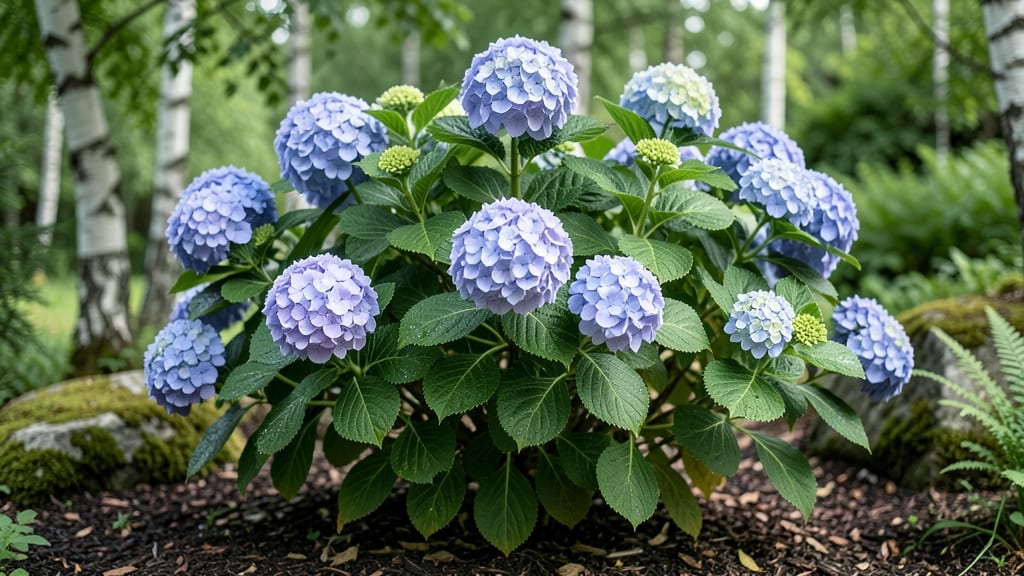
Yes, hydrangeas are perennials in most climates, returning each year with new growth after winter dieback, though some varieties may appear dormant or die back to the ground annually before regrowing from roots or crowns.
Hydrangeas thrive as perennials because they store energy in their roots during winter dormancy, allowing them to bounce back each spring. 🌱 The key is understanding their cold hardiness zones (3-9), where they naturally regrow after frost—think of them like woodland shrubs that "sleep" in winter.
Evergreen types like oakleaf hydrangeas keep some foliage year-round, while deciduous varieties (like bigleaf) shed completely but still regenerate from the base.
What sets them apart is their two-phase growth cycle: old wood blooms first in spring, then new wood produces summer flowers. This means pruning at the wrong time can accidentally remove next year's blooms.
Mulching in late fall helps protect the roots, while proper pruning timing ensures those perennial roots keep producing stunning flowers year after year.
💡 In This Article
- How Hydrangea Perennial Lifespan Works
- Caring for Hydrangeas as Perennials: Pruning and Winter Prep
How hydrangea perennial lifespan works
The hydrangea's perennial nature stems from its ability to store carbohydrates in thick, woody roots and crowns during winter dormancy. This stored energy acts like a natural battery, fueling new growth when temperatures rise above 50°F in spring.
Unlike annuals that complete their life cycle in one season, hydrangeas enter a dormant phase when temperatures drop below 20°F, shedding leaves (in deciduous varieties) or reducing foliage (evergreens) to conserve energy. 🌿 The roots remain active underground, maintaining cellular integrity through antifreeze-like compounds called glycoproteins that prevent ice crystal formation.
Cold hardiness zones play a critical role in determining which hydrangea varieties thrive as perennials. Most common types (like bigleaf and panicle hydrangeas) survive in zones 3-9, meaning they can withstand temperatures down to -25°F to -10°F with proper care.
Oakleaf hydrangeas, for example, are particularly hardy in zone 4, while bigleaf varieties in zone 6 may need winter protection.
The difference between deciduous and evergreen varieties lies in their foliage strategy: deciduous types (like bigleaf) drop all leaves to minimize water loss, while evergreens (like oakleaf) retain some foliage that slowly browns but stays attached, providing partial winter insulation.
The two-phase growth cycle explains why hydrangeas appear to "die back" annually. First, old wood (last year's growth) produces spring blooms, while new wood (current season's growth) generates summer flowers. This dual system means the plant's "death" in winter is actually a strategic retreat to protect its energy reserves.
The roots and crown remain alive, often just 1-2 inches below soil level, where temperatures stay above freezing even in harsh winters. This underground survival mechanism is why hydrangeas can regrow so vigorously each spring, often reaching 3-6 feet in height within a single growing season.
What most gardeners overlook is how hydrangeas use their cambium layer—a growth layer just beneath the bark—to produce new shoots. This layer remains active even during dormancy, allowing the plant to "remember" its growth pattern year after year.
The cambium's ability to regenerate is why even severely pruned hydrangeas can recover fully, though timing matters: cutting back too late in the season removes next year's flower buds.
This biological memory is what makes hydrangeas true perennials, capable of living 10-15 years (or longer) with proper care, unlike annuals that complete their life cycle in one season.
Consider the oakleaf hydrangea as a prime example: its semi-evergreen leaves provide year-round interest while the roots maintain perennial vitality. In contrast, bigleaf hydrangeas (deciduous) shed all foliage but still regenerate from the same root system.
The key difference lies in their bud formation strategy: oakleaf hydrangeas produce flower buds on both old and new wood, while bigleaf varieties rely almost entirely on new wood for summer blooms.
This biological variation explains why some hydrangeas appear more "dormant" in winter (bigleaf) while others maintain partial foliage (oakleaf).
Understanding this growth cycle helps explain why hydrangeas often appear "dead" in winter only to surprise gardeners with lush regrowth. The plant's ability to store energy, protect its cambium layer, and regenerate from the crown makes it a resilient perennial.
This biological strategy is similar to how peonies or daylilies survive winter—by focusing energy on root and crown preservation rather than above-ground growth. The result is a plant that can return year after year with minimal intervention, provided it receives adequate water and protection from extreme cold.